


 Business Recorder
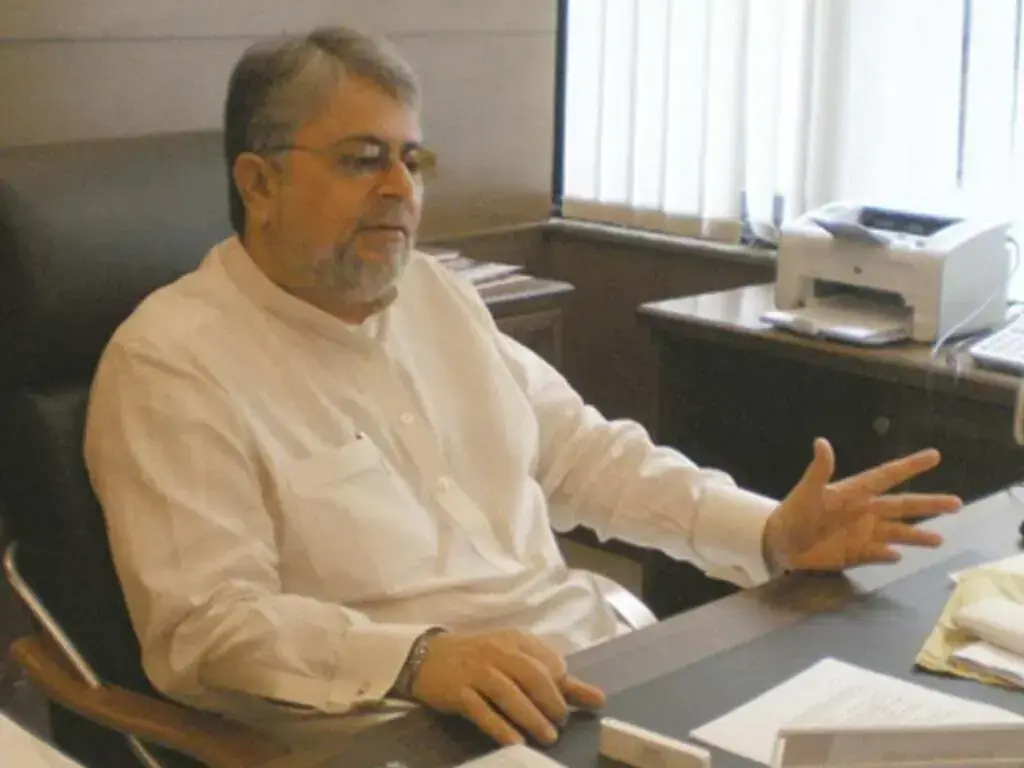
KARACHI: Chairman Businessmen Group (BMG) Zubair Motiwala, while terming the US-Iran ceasefire as the biggest achievement after Pakistan’s independence, said that it had brought immense pride and prestige to Pakistan because it was Pakistan which had effectively saved the world from the possibility of a much larger conflict. Speaking at an urgent meeting held on Wednesday, Zubair Motiwala stated that Prime Minister Shehbaz Sharif, Field Marshal Asim Munir and Deputy Prime Minister Ishaq Dar deserved the highest level of national and international appreciation for their exceptional statesmanship, visionary leadership and extraordinary diplomatic efforts in securing the ceasefire. He said that at a time when the world was moving dangerously close to a catastrophic conflict, Pakistan’s leadership displayed remarkable wisdom, courage and maturity by taking the initiative to bridge differences between the two sides and pave the way for peace. On behalf of Karachi and the entire business community of Pakistan, he extended heartfelt congratulations and paid glowing tribute to Prime Minister Shehbaz Sharif, Field Marshal Asim Munir and Deputy Prime Minister Ishaq Dar for bringing immense pride, prestige and honour to Pakistan on the global stage. He remarked that although many countries had been attempting to find a solution, it was Pakistan that ultimately took the lead, emerged as the most credible mediator and succeeded in accomplishing what many considered impossible. He observed that the entire world was now taking Pakistan more seriously because the country had demonstrated its ability not only to deal with internal challenges but also to play a meaningful role in resolving major international crises. He expressed optimism that the 15-day ceasefire would continue beyond the initial period and gradually evolve into a durable peace arrangement, opening up opportunities for regional economic integration, relaxation of sanctions on Iran and stronger trade ties between neighbouring countries. Referring to the Iran-Pakistan gas pipeline project, Zubair Motiwala stressed that the United States should now permit Pakistan to move forward with this essential energy corridor because Pakistan’s long-term growth and industrial competitiveness depended heavily on affordable and uninterrupted energy supplies. He said that if Pakistan was able to import gas and electricity from Iran, energy prices in the country could become regionally competitive, possibly even lower than those in Bangladesh, thereby creating far-reaching positive impacts on industrial production, exports and the overall economy. Referring to the difficulties faced by industries during the past month due to geopolitical tensions, high freight costs, shipping disruptions and rising energy prices, he said that the business community was now in a position to present practical proposals for economic and industrial recovery. Zubair Motiwala stressed that the government must focus on reducing the cost of doing business to levels comparable with competing countries because Pakistani industries would not be able to compete internationally if domestic production costs remained significantly higher. He pointed out that the world was passing through an intense price war and Pakistan had no option but to rationalize taxes, utility tariffs and regulatory costs in order to protect exports and industrial activity. In this regard, he emphasized the urgent need to reinstate the zero-rated sales tax mechanism at the input stage for export-oriented sectors including textiles, leather, surgical instruments, carpets and sports goods, noting that these sectors account for nearly 80 to 85 percent of Pakistan’s exports. He said that replacing zero-rating with a refund-based system had created severe liquidity problems for exporters due to long delays in refund payments and the heavy financial burden of blocked working capital. Restoring zero-rating, he said, would improve liquidity, reduce financing costs and strengthen the international competitiveness of Pakistani products. Zubair Motiwala also proposed that customs duties and taxes should be assessed on Ex-Works value instead of the prevailing Cost and Freight basis. Referring to electricity tariffs, he said that Pakistan’s industrial electricity rates remained highly uncompetitive at approximately 14 to 16 US cents per kilowatt hour, which significantly increased production costs. He pointed out that although the federal government had introduced the Incremental Consumption Package and released around Rs7 billion for Karachi under the scheme, the benefit had not yet reached industrial consumers, while the total pending relief was estimated at approximately Rs33 billion. He urged the government to immediately disburse the pending relief and establish a transparent mechanism to ensure direct transfer of benefits to consumers. He further noted that industrial gas tariffs had risen substantially while supply inconsistencies continued to disrupt production. Gas, he said, was a critical input for export-oriented industries and the current pricing structure was seriously undermining competitiveness. He clarified that the business community was not demanding subsidized gas, but only that gas should be supplied strictly on a cost-of-service basis and should not be treated as a revenue-generation tool. Zubair Motiwala also highlighted that rising global shipping costs and insurance premiums had sharply increased logistics expenses for exporters. He stressed the need to reintroduce freight subsidy schemes so that exporters could continue to maintain market access, competitive pricing and contractual commitments in international markets. Copyright Business Recorder, 2026
Go to News Site