


 Business Recorder
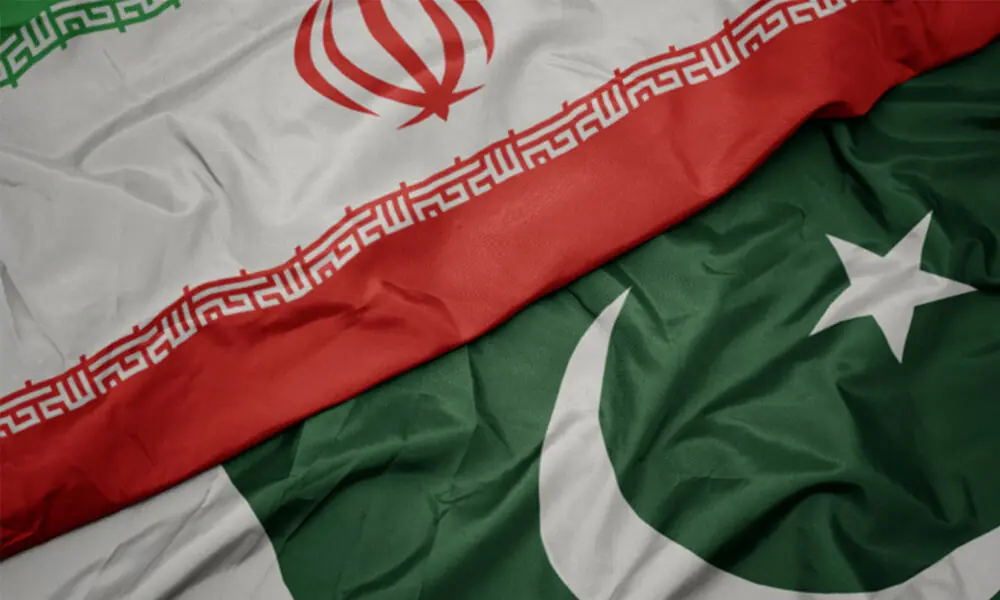
“It was the best of times, it was the worst of times, it was the age of wisdom, it was the age of foolishness…” Charles Dickens’ immortal opening to A Tale of Two Cities captures the paradox of human history—moments of triumph and despair coexisting side by side. Today, these words echo with uncanny relevance when we juxtapose the resilience of Tehran with the turmoil of Islamabad. Both cities stand at historical crossroads, yet their responses to adversity reveal starkly contrasting attitudes toward governance, sacrifice, and national solidarity. Tehran, battered by bombardments and the targeted elimination of leaders, has confounded external expectations. Once seen as fertile ground for regime change, the Iranian populace has instead rallied behind its leadership. Accounts circulating in Urdu media—idealized though rhetorical—depict a nation that, despite nearly forty days of war, neither sought foreign aid nor appealed for food or medicine. Ministers marched shoulder to shoulder with citizens in protests condemning the enemy’s assault, personally inspecting prices to ensure fairness. Whether literal or symbolic, these narratives underscore a perception of unity and sacrifice. Governance is portrayed as austere and disciplined: leaders without foreign homes or offshore accounts, strict laws preventing corruption, and a system where education is free, healthcare subsidized, and the dignity of women is ensured. Rooted in the doctrine of Wilayat-e-Faqih —Ayatollah Khomeini’s vision of guardianship-based leadership by a just jurist—this ethos of sacrifice has transformed Iran into a society where collective resilience eclipses individual hardship. In the tradition of Imam Hussain, leaders and citizens alike embrace sacrifice as a moral imperative. Islamabad, in stark contrast, presents a tale of disillusionment. Fuel prices have skyrocketed by hundreds of percent, plunging ordinary citizens into hardship. Subsidies, though announced, are ensnared in bureaucratic red tape that harasses rather than relieves the masses. The irony is bitter: while the public reels under inflation, the ruling elite continues to indulge in perks and privileges that drain billions from the national exchequer. The gap between rulers and ruled has widened into a chasm. Where Tehran’s ministers are portrayed as marching with the people, Islamabad’s ruling class insulates itself in luxury. The Dickensian paradox is palpable: for the privileged few, it is “the best of times,” but for the struggling majority, it is undeniably “the worst of times.” Islamabad’s plight illustrates how privilege without responsibility erodes trust and fractures society. History offers a sobering reminder. In 1857, after the last candle of the Mughal Empire was extinguished, Muslims of the Indian Subcontinent sought platforms to resist colonial domination. Disturbed by British attempts to dismember the Ottoman Empire after World War I, the Khilafat Movement—led by luminaries such as Maulana Mohammad Ali Jauhar, Shaukat Ali, Hakim Ajmal Khan, Maulana Shibli Nomani, and Allama Iqbal—mobilized resources to support the Ottoman Caliphate. Housewives donated jewellery; poets raised awareness through verse; and funds amounting to millions were collected, even contributing to the founding of Turkey’s first state bank under Mustafa Kemal Pasha. This tradition has carried forward. Ordinary Pakistanis have historically risen to the occasion—whether in response to natural disasters or man-made crises. Donations, volunteerism, and grassroots mobilization have always been spearheaded by the masses. Yet today, that spirit of sacrifice is stifled by governance that burdens rather than empowers. The juxtaposition of resilience and disillusionment illustrates how leadership choices shape national destiny. Austerity, shared sacrifice, and visible solidarity can foster unity in the face of existential threats. Conversely, governance that shields the elite while burdening the people deepens alienation and erodes trust. Here, Allama Iqbal’s wisdom offers a timeless lesson. In his Jawid Nama , addressed to his son Jawid—who in his first letter to his father, had requested a gramophone from England—Iqbal responded with counsel that resonates for all nations struggling with challenges: Mera tareeq ameeri nahin, faqeeri hai Khudi na bech, ghareebi mein naam paida kar! The way of the hermit, not fortune, is mine; Sell not your soul! In poverty, carve out dignity. Iqbal’s admonition was not merely paternal advice; it was a philosophical call to embrace resilience, dignity, and self‑reliance. His counsel reminds us that adversity can be met not through privilege or indulgence, but through sacrifice and moral clarity. When governments themselves embody austerity and discipline—eschewing luxury, setting personal examples, and sharing the burdens of their people—the nation rallies behind them. Retrospection indicates that collective hardship, when borne with fairness and solidarity, becomes a crucible for unity. Conversely, when rulers insulate themselves in privilege, they fracture the bond of trust that sustains societies. The lesson is clear: nations are not defined by ease or comfort, but by how they endure trials. Leadership that embraces simplicity and integrity can transform crisis into cohesion, turning “the worst of times” into an age of wisdom and resilience.
Go to News Site