


 The Huffington Post
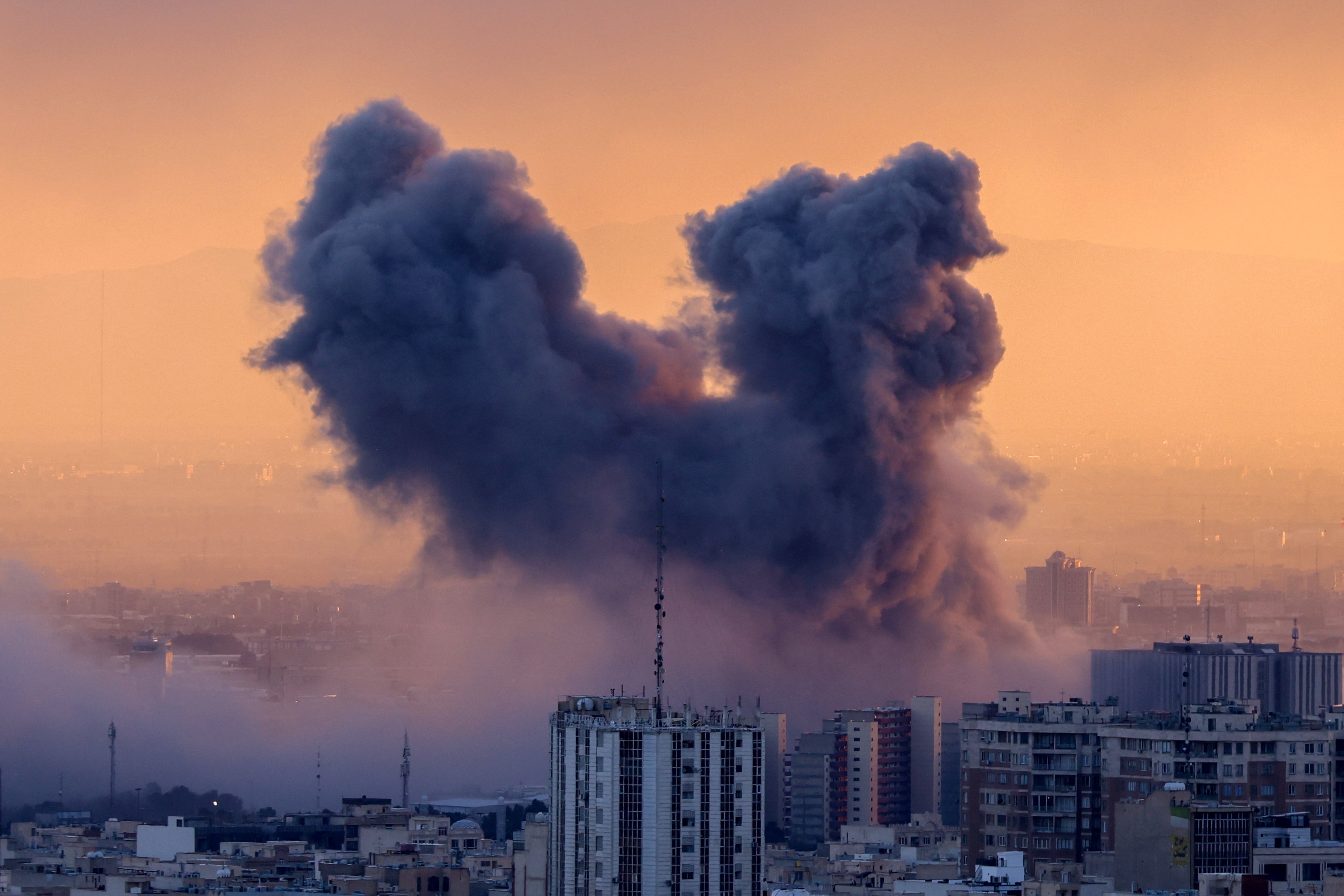
A plume of smoke rises after a strike on the Iranian capital Tehran, on March 3, 2026. Donald Trump declared “complete victory” over Iran on Wednesday, five weeks after he joined Israel in bombing Tehran. He claimed the regime had agreed to a two-week ceasefire in a “big day for world peace”. The news was met with relief around the world, not least because the US president had sworn to wipe out the whole of Iranian civilisation if the regime did not agree to end the war. Acting on that genocidal threat would have been a war crime. Trump had already given Tehran an ultimatum : open the major oil shipping lane, the Strait of Hormuz, by 1am Wednesday (UK time) or the States would take out civilian infrastructure. Luckily, that moment never arrived after a flurry of diplomacy. But is it accurate to say these horrifying warnings – after an ill-thought-out and chaotic war – led to a win for the White House? Or was the president simply desperate for an off-ramp as the global economy went into shock? Trump claimed just 90 minutes before his deadline was up that Iran had presented him with a “workable” 10-point plan. Iran said it would be willing to open Hormuz up – an announcement which immediately helped steady fuel prices – but it also proposed charging ships $2 million to travel through the waterway which was previously free. Trump bizarrely suggested this could be a joint venture, though it seems unlikely the two rivals would partner up. Plenty of reports claim vessels are still struggling to get through, too, and Iran has threatened “destroy” any ships passing through without permission. That hardly sounds like a victory. The White House said at one stage it was pushing for regime change as well, having killed the Supreme Leader, the Ayatollah Ali Khamenei. But Iran has since installed his son Mojtaba Khamenei as his successor. Trump also wanted to destroy Iran’s nuclear capabilities so the hostile regime could never build a nuclear bomb with enriched uranium. However, he already claimed to have wiped out their nuclear capacities in a series of attacks last summer. Even after this five-week war, Iran still has access to those uranium stockpiles. Israel is still attacking Lebanon in its war against Hezbollah militants as well, even though Tehran has requested all regional attacks on its allies end. And, to make matters even worse for Trump, his fury towards Nato – and Keir Starmer in particular – over their refusal to get involved in his Middle East offensive has put US relations under major strain. During this week’s episode of Commons People, we look at who the real winner of the Iran war seems to be (so far) and what we can expect to happen next. Listen to find out more below... And for more context on why the Iran war matters, listen back to our Commons People episode from March 20: Related... Liz Truss Slammed For Accusing Starmer Of 'Appeasing The Iranians' As Ceasefire Begins Spanish PM Savages Trump For 'Setting World On Fire' With Iran War Former UK Diplomat Says Iran Has Emerged From The War 'Strategically Stronger' Than It Was Before
Go to News Site