


 Business Recorder
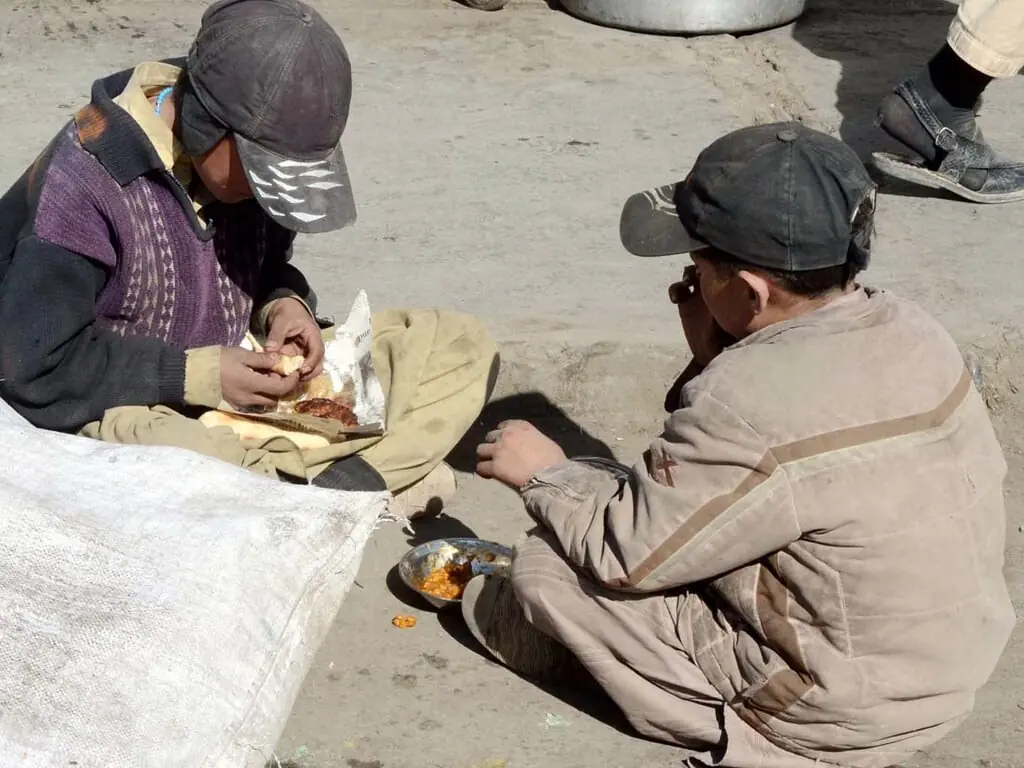
EDITORIAL: The recommendation by Punjab Assembly’s Committee on Law Reforms to abolish Section 55(1)(b) of the Code of Criminal Procedure, 1898, is a lot more than a technical legal reform—it is a long-overdue moral correction. For over a century, this provision has allowed the state to treat poverty not as a social challenge to be addressed, but as a possible crime to be punished. Its proposed removal signals recognition that justice cannot coexist with laws that presume guilt on the basis of economic vulnerability. The clause empowers police to arrest individuals without a warrant simply because they appear to lack “ostensible means of subsistence” or cannot provide a “satisfactory account” of themselves. These vague and subjective standards invite abuse. In practice, they have disproportionately targeted the poorest segments of society—daily wage laborers, the homeless, migrants, and others already living on the margins. In a country where nearly 40 percent of the population lives below the poverty line, such a law effectively casts suspicion on millions for no crime other than being poor. That this provision is a colonial relic should give further pause. Enacted by a colonial administration, it was designed to control and monitor native populations, not to uphold rights or justice. Its continued existence in modern Pakistan has no justification whatsoever as it directly violates constitutional guarantees of liberty, dignity, equality, and freedom of movement. Laws that survive merely out of inertia, despite being fundamentally unjust, erode public trust in the legal system itself. The committee’s broader recommendation to also repeal related provisions, such as those allowing arrests based on reputation or suspicion of future wrongdoing, is equally significant. Preventive policing cannot come at the cost of due process. The notion that someone can be detained because they are “known” or “reputed” to engage in wrongdoing is dangerously elastic and undermines the presumption of innocence— a cornerstone of any fair legal system. Pakistan is not alone in confronting this legacy. Other countries with similar colonial-era laws have moved decisively to dismantle them. India, for instance, replaced its 1898 code decades ago and has continued to refine its legal framework to better align with constitutional rights. These examples underscore the necessity of reform. However, legislative change must be accompanied by shifts in policing culture and accountability. Simply removing a clause will not automatically end the patterns of harassment and arbitrary detention that have taken root over decades. Clear guidelines, training, and oversight mechanisms are essential to ensure that law enforcement operates within constitutional bounds. It must be said that the measure of a just society lies in how it treats its most vulnerable. By moving to abolish a law that criminalises poverty, the Punjab Assembly committee has taken a principled step toward aligning Pakistan’s legal system with its constitutional ideals. The hope now is that this recommendation is swiftly translated into law—and more importantly, into practice. Copyright Business Recorder, 2026
Go to News Site