


 Business Recorder
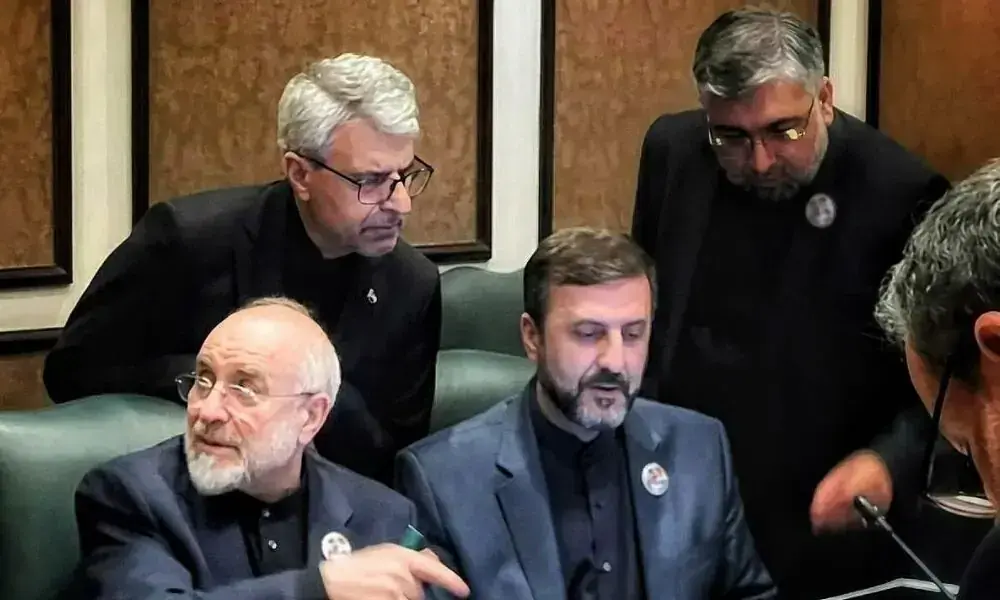
ISLAMABAD: In a major diplomatic breakthrough, the United States and Iran held face-to-face talks on Saturday, bypassing indirect negotiations through Pakistani intermediaries in an effort to find a lasting resolution to their ongoing conflict. The development follows the historic “Islamabad Talks,” mediated by Pakistan, which officially began on Saturday afternoon with the aim to secure a lasting peace after the recent conflict that had ended with a temporary two-week ceasefire. Sources told the Business Recorder that the breakthrough came after Prime Minister Shehbaz Sharif and Chief of Defence Forces (CDF) Field Marshal Syed Asim Munir persuaded both sides to engage in direct talks in good faith, rather than continuing with indirect negotiations. READ ALSO: Iran’s Tasnim: Strait of Hormuz remains point of ‘serious disagreement’ in US-Iran talks in Islamabad Following this persuasion, the US and Iranian delegations met for approximately two hours, with discussions expected to resume today (Sunday) to secure a long-term resolution to the conflict. According to sources, following the conclusion of the first round of in-person negotiations, the Iranian and American delegations exchanged written texts on the issues under discussion. The exchanges involved the expert teams from both sides, who had participated in the initial round of talks, and were intended to clarify positions and outline proposals ahead of the next meeting, the sources said. The sources said that both Prime Minister Sharif and Field Marshal Munir remained present throughout the negotiations. The US delegation was led by Vice President JD Vance and included senior adviser Jared Kushner, son-in-law of US President Donald Trump, alongside Trump’s Middle East envoy Steve Witkoff. Iran’s delegation was headed by Parliament Speaker Mohammad Bagher Ghalibaf and Foreign Minister Syed Abbas Araghchi, accompanied by other senior officials. In parallel, technical committees addressing economic, political, legal, military, and nuclear issues convened to negotiate specific details. The Iranian government confirmed on X that the talks had advanced to an “expert-level stage,” with committees working to finalise technical arrangements in Islamabad. Sources indicated that, under diplomatic pressure, the US has agreed to release Iran’s frozen assets. However, it could not be confirmed which specific assets are to be released. According to sources, an American financial team, accompanying the negotiating team led by Vice President Vance, has reportedly begun consultations aimed at reaching a mutual understanding on the matter. However, the Iranian delegation remains cautious. Sources said Tehran is seeking assurances regarding the seriousness and credibility of the US commitment, given a history of broken promises and repeated obstacles in transferring blocked funds. The negotiations follow a two-week pause in hostilities after a temporary ceasefire brokered by Pakistan on 8 April. The conflict, which erupted with US-Israeli strikes on 28 February, has spread across the Middle East, causing widespread casualties and disrupting global energy markets. Key issues on the agenda include Tehran’s demand for a ceasefire in Lebanon, where Israeli operations against Iran-backed Hezbollah fighters have claimed nearly 2,000 lives since March. Washington and Jerusalem; however, maintain that Lebanon falls outside the scope of US-Iran negotiations. Iran is also pressing for the unblocking of frozen assets and the lifting of longstanding sanctions that have severely strained its economy. The United States has indicated a willingness to consider substantial sanctions relief in exchange for concessions on Iran’s nuclear and missile programmes. Other contentious points include control of the Strait of Hormuz, compensation for wartime damages, Iran’s uranium enrichment rights, and the withdrawal of US forces from the region. Washington has emphasised the need for continued access to the Strait and limits on Iran’s missile capabilities. These talks mark the first direct engagement between the two nations since hostilities began and are being closely monitored by international observers amid concerns that failure could further escalate the conflict. However, sources said the US demands regarding the Strait of Hormuz and other issues were “too ambitious”, adding that Washington appeared to be seeking at the negotiating table what it had failed to secure during weeks of conflict. They said the United States had not achieved its objectives over roughly six weeks of war, including through measures such as ship insurance arrangements, tanker escorts, and other military and economic initiatives, and now expected to attain them more easily in negotiations. Mohammad Golzari, head of Iran government’s Information Council and a media member of Iran’s negotiating team, said various Iranian committees had met earlier in the day to review positions and were ready to begin talks in a unified manner. He said that alongside developments on the ground and ongoing contacts with Iran’s ambassador in Lebanon regarding verification of a halt to attacks on Beirut and warnings over ceasefire violations, as well as discussions on the release of Iranian frozen assets, trilateral talks had commenced. Golzari added that as the discussions grew more serious they had moved into an expert phase, with members of specialised committees joining the negotiation, a process he said was continuing. Copyright Business Recorder, 2026
Go to News Site