


 Business Recorder
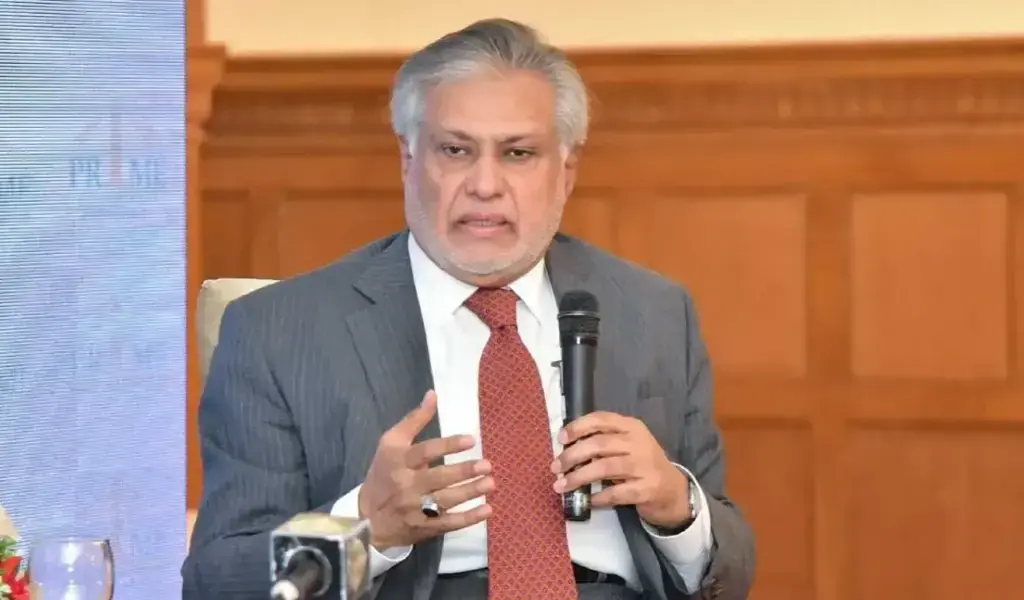
Deputy Prime Minister and Foreign Minister Ishaq Dar on Sunday called on the United States and Iran to continue their engagement in a “positive spirit” to achieve durable peace and stability in the region, following the conclusion of high-level talks in Islamabad. In a televised statement at the end of the negotiations, Dar expressed gratitude to both sides for participating in the talks and for appreciating Pakistan’s facilitation role, including its efforts to help secure an immediate ceasefire and host the dialogue in Islamabad at the invitation of Prime Minister Shehbaz Sharif. READ MORE: US negotiators leaving without a peace deal with Iran He said the delegations of the United States, led by U.S. Vice President JD Vance, and Iran, led by the Speaker of the Iranian Parliament Mohammad Baqer Qalibaf, had engaged in intensive discussions in Pakistan over the past 24 hours. Dar also acknowledged the role of Chief of Army Staff Field Marshal Syed Asim Munir and other Pakistani officials in facilitating rounds of negotiations between the two sides. “We hope that the two sides continue with the positive spirit to achieve durable peace and prosperity for the entire region and beyond,” he said, adding that both parties needed to uphold their commitment to the ceasefire. He reaffirmed that Pakistan would continue to play a constructive role in facilitating dialogue and engagement between the United States and Iran. The statement comes shortly after U.S. Vice President JD Vance said in a press briefing that he was returning “without an agreement,” adding that Iran had not accepted U.S. terms despite what he described as extensive flexibility and good-faith negotiations. He said the U.S. position required an “unequivocal and long-term commitment” from Tehran not to pursue nuclear weapons or the capabilities to rapidly develop them. Iranian officials, meanwhile, said the talks collapsed due to “excessive and unreasonable demands” by the United States, arguing that Washington’s conditions did not reflect Iran’s “legitimate rights,” including nuclear enrichment and sanctions relief.
Go to News Site