


 Business Recorder
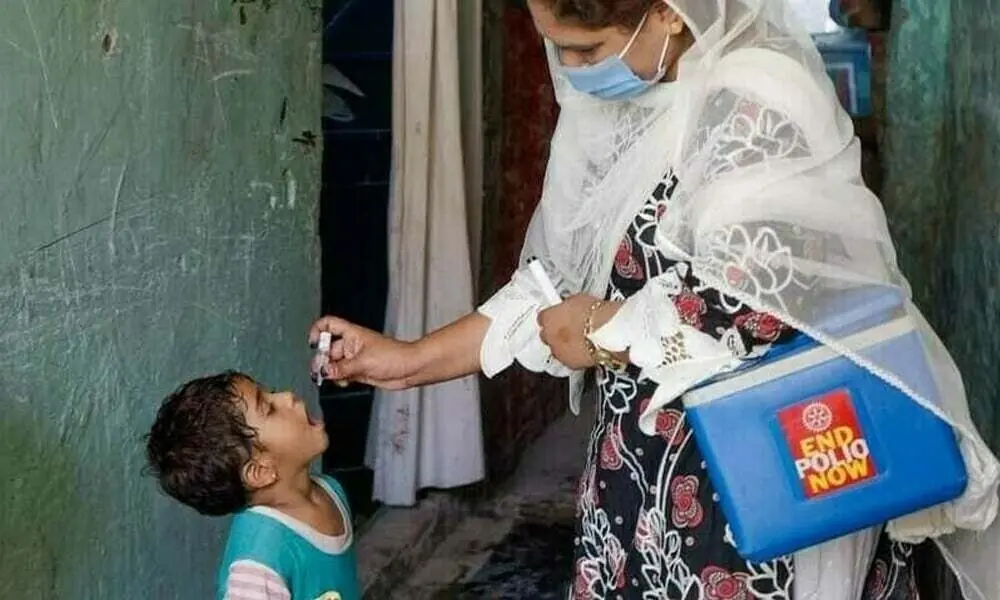
LAHORE: The second National Immunisation Days (NIDs) of 2026 will commence across Punjab from Monday (today), aiming to vaccinate more than 23.3 million children under the age of five. In Lahore, identified as a high-risk reservoir district, the campaign will continue for seven days, while in all other districts it will be conducted over four days. More than 200,000 polio workers and supervisors will take part in this extensive drive. The workforce includes 16,605 area in-charges, 3,991 Union Council Management Officers, over 84,884 mobile team members, 4,884 fixed teams, and more than 2,664 transit teams, ensuring that every eligible child is reached. The Punjab Emergency Operations Centre (EOC) has mobilised experts from multiple sectors to support the smooth and effective implementation of the campaign, with special focus on high-risk and priority areas. Highlighting the importance of the campaign, EOC Coordinator Adeel Tasawur said, “Our foremost priority is to ensure that every child receives polio drops during this campaign. With strengthened strategies and coordinated efforts, we are closer than ever to interrupting virus transmission across Punjab.” Punjab has demonstrated significant progress in polio eradication over the past six months. Environmental surveillance data and reported WPV1 cases indicate a sharp decline in virus circulation across key regions, including Lahore, South Punjab, and Rawalpindi. Out of 99 environmental samples tested in 2026, only one sample—reported from Lahore in February—tested positive, which subsequently turned negative in March. Overall positivity has dropped to 1 percent, a substantial reduction from 26 percent at the end of 2025 and 56 percent in August 2025. Regional trends further underscore this progress. In Lahore, environmental sample positivity has declined from 56 percent in 2025 to 5 percent in 2026. Rawalpindi has reported zero positive samples this year, compared to 33 percent positivity in 2025. Similarly, South Punjab districts — including Bahawalpur, Bahawalnagar, Rahim Yar Khan, Multan, and Dera Ghazi Khan — have achieved zero percent positivity in 2026, down from 17–42 percent last year. “All environmental samples from Lahore, South Punjab, and Rawalpindi tested negative in the latest round conducted in March, which is a strong indicator of improved population immunity and campaign quality,” said Adeel Tasawur. He further added, “This progress reflects the dedication of frontline workers and the cooperation of communities. However, sustaining high coverage remains critical, especially in previously high-risk areas.” Punjab’s surveillance system continues to play a vital role in identifying and responding to potential hotspots, ensuring timely interventions. The province remains focused on maintaining high-quality Supplementary Immuni-sation Activities (SIAs), strengthening community engagement, and enhancing collaboration with religious, political, and community leaders to reach underserved populations. Parents are urged to cooperate with polio teams and ensure that all children under five years of age receive polio drops during the campaign. “Collective vigilance and community support are essential to achieving a polio-free Punjab and contributing to Pakistan’s journey toward global eradication,” Adeel Tasawur emphasised. Copyright Business Recorder, 2026
Go to News Site