


 Ruptly
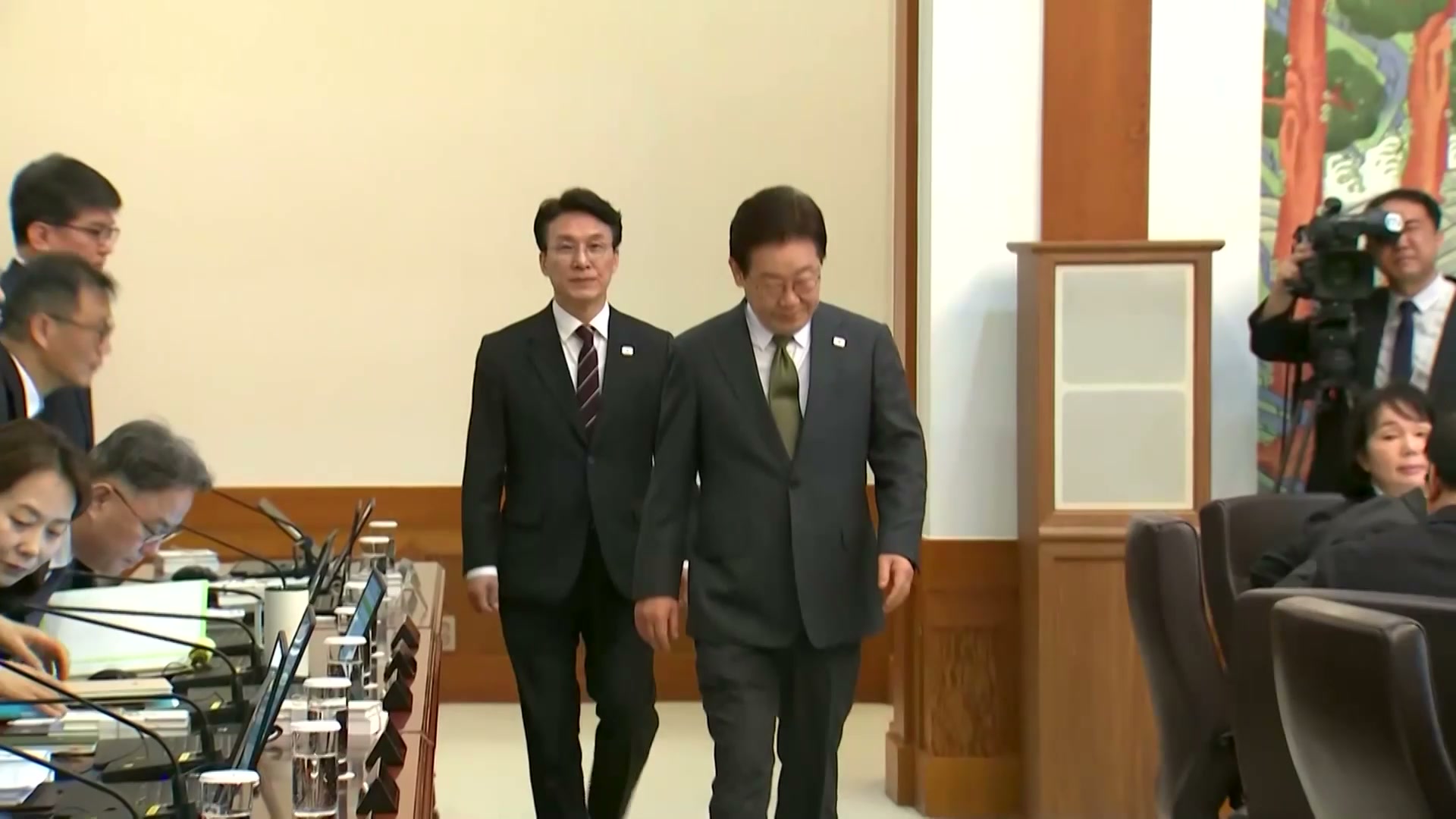
"South Korean President Lee Jae-myung warned on Tuesday that the Middle East crisis could drag on, ordering emergency preparations for prolonged energy disruptions at a parliamentary session in Seoul. "It appears that the end-of-war negotiations held last weekend are failing to address the core issues," he stated. "With the conflict escalating around the Strait, it is not easy to assess the situation with confidence." "For now, we must assume that disruptions to global energy and raw material supply chains, as well as high oil prices, will continue. On that basis, we are strengthening our emergency response system. As the situation becomes clearer, we will move swiftly to allocate and deliver resources needed to support people's livelihoods," Lee continued. Among measures to curb energy shortage and soaring energy prices, as the Strait of Hormuz that carries about 20 per cent of the world's total oil and liquefied natural gas (LNG) remains closed, Lee announced searching alternative supply routes and industrial and economic reforms. "I urge you to prioritise the development of alternative supply chains, medium- to long-term industrial restructuring, and the transition to a post-plastic economy as core national strategic projects. At the same time, I call on the warring parties to take courageous steps towards the peace the world so desperately needs, guided by the principles of universal human rights and the lessons of history," he emphasised at the end of his speech. Importing roughly 70 per cent of its crude oil and 20 per cent of its LNG from the Middle East, South Korea is critically dependent on Hormuz, through which these imports pass almost entirely. Since the Middle East broke out on February 28, the nationwide gasoline prices climbed up 8.8 per cent to 1,836 won (1.25 USD) per litre. Consumer prices also jumped up 2.2 per cent from a year earlier. This comes after high-level delegations from the United States and Iran held 21-hour talks in Islamabad without a deal on Sunday. Iranian Foreign Ministry spokesperson Esmail Baghaei said the two sides remained divided on several key issues, preventing an agreement from being reached. The talks came after Tehran and Washington agreed to a conditional two-week ceasefire, with both sides claiming a 'victory'. Under the deal, Iran agreed in principle to reopen the Strait of Hormuz, while the US and Israel paused strikes on Iranian territory."
Go to News Site