


 Ruptly
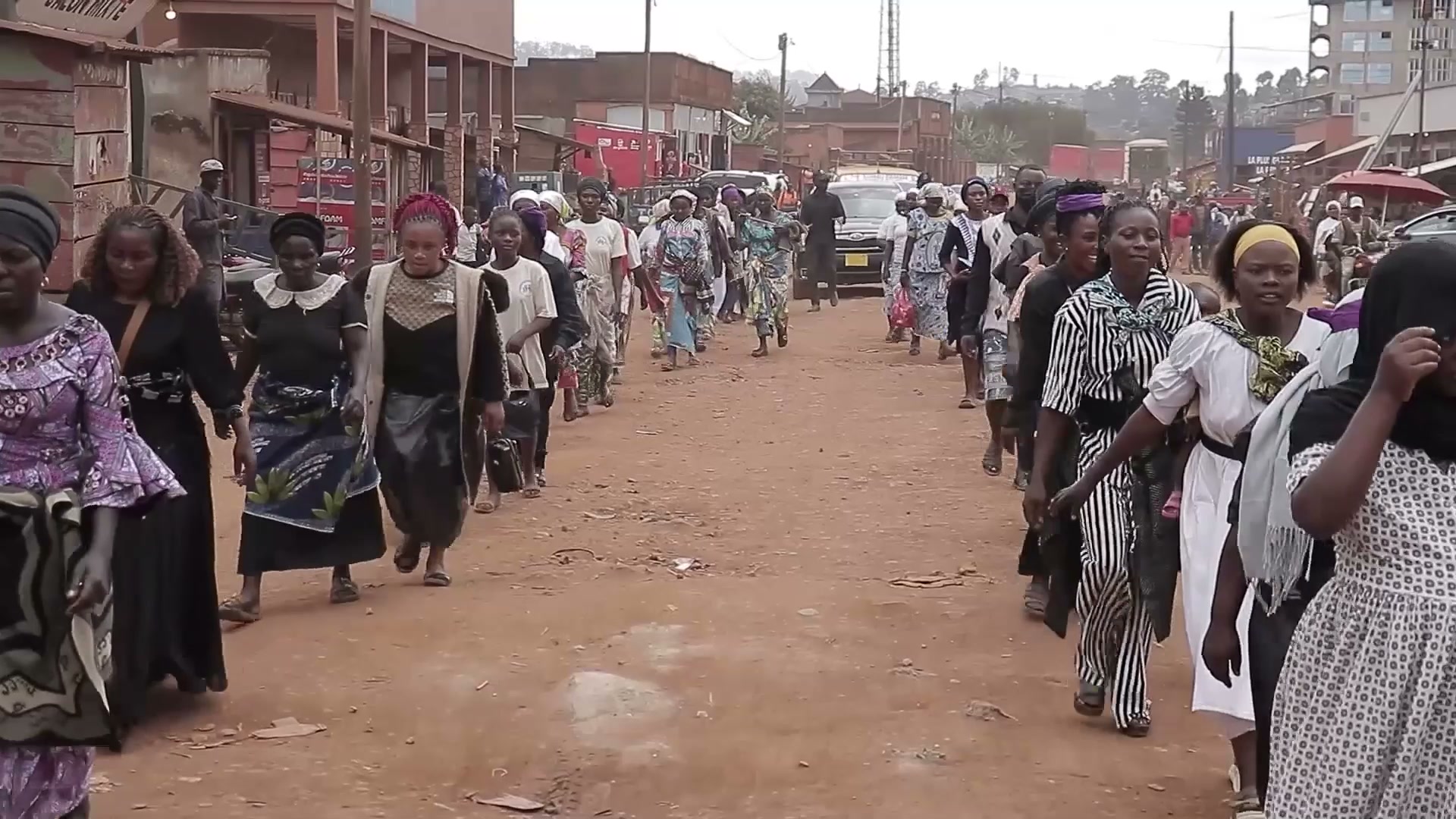
"Local residents commemorated the 28th anniversary of the 1998 Kikyo massacres in eastern Democratic Republic of the Congo on Tuesday with renewed calls for justice and support for victims. Footage shows residents gathering at a cemetery, standing in mourning, alongside scenes of daily life and testimonies from survivors of the violence. "My husband was killed while trying to flee the area. A neighbour, who lived near the river, called him and told him to wait because the gunfire was very intense. He suggested they stay together until things calmed down, and then leave afterwards. Unfortunately, the situation deteriorated," says Kavira Cecile, a local resident. Cecile recounted how her young son survived the massacres by hiding under a bed, as her husband was questioned before being executed. "Before killing him, the rebels asked my husband what he did for a living. He replied that he was a teacher. Some of them then offered not to kill him, saying that he was also a civil servant like them," she recalled. Survivors say they have received little to no support, calling on the government to assist widows and orphans and to bring an end to the violence that continues to reopen old wounds. "Nothing is being done for us. We also demand that this war end. Because every time there is conflict, these memories resurface and make us relive this pain. It deeply disturbs us," Cecile concluded. The Kikyo massacres took place in August 1998 during a period of intense conflict involving Congolese armed forces and local militias. Civilians, often identified by language or physical markings, were accused of supporting armed groups and targeted in retaliatory attacks. Local organisations, including the survivors’ committee COVISMAKI, have long described the events as crimes against humanity, calling for investigations and judicial proceedings."
Go to News Site