


 Forbes India
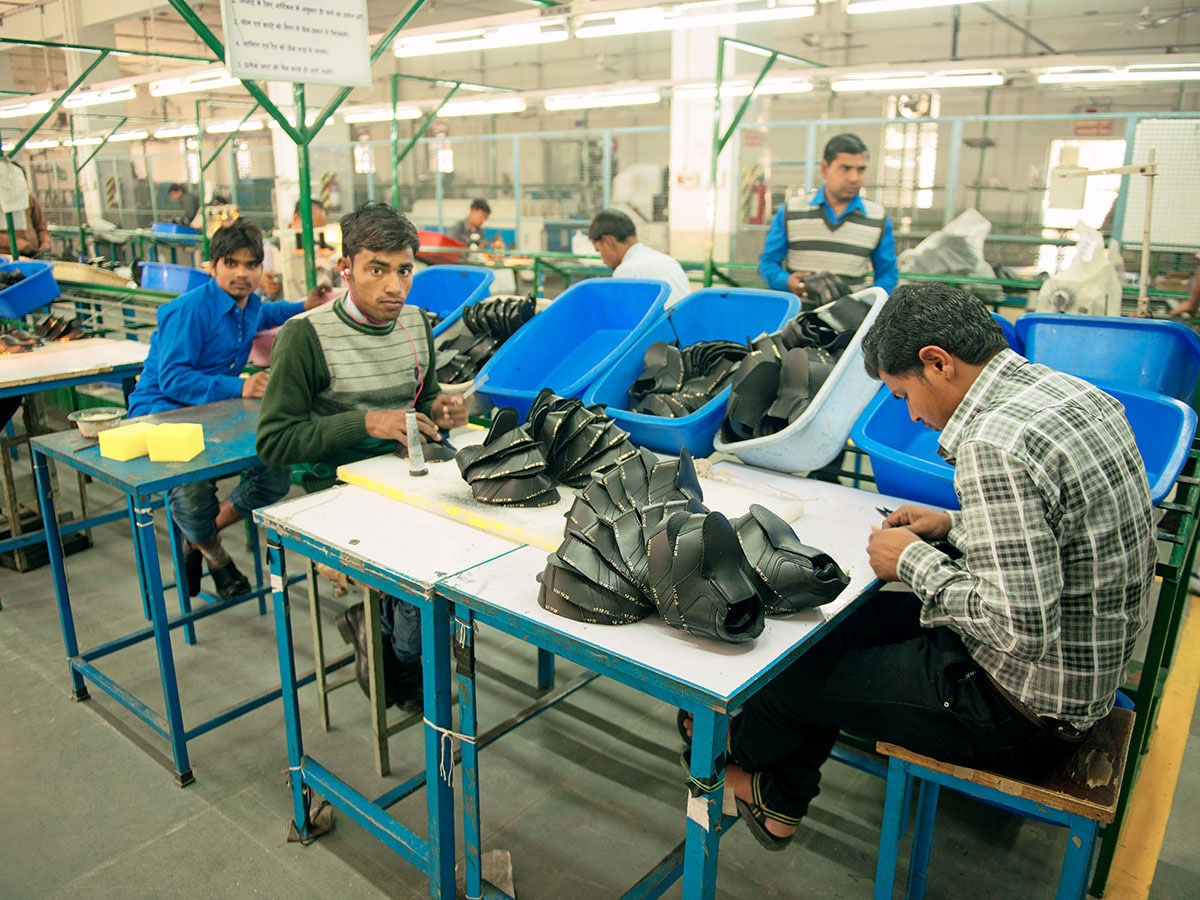
Despite having 8 percent of India’s industrial workforce, the fourth largest in the country, Uttar Pradesh remains among the lowest wage-paying states for its workers. When factory workers at industrial units in Noida started protesting and demanding higher wages earlier this week, the numbers were already telling their story.Before the UP government announced an interim hike in minimum wages on Tuesday, government data shows that industrial workers in Uttar Pradesh earned an average of Rs14,700 per month, the sixth lowest among all states and union territories, and well below the national average of Rs18,000 in 2023-24. In comparison, workers in Jharkhand, the highest-paying state, earned Rs26,700 a month, nearly double what a worker in UP takes home.Also Read: In charts: How India's new labour laws had more worker perks, but less pain for firmswindow.addEventListener("message",function(a){if(void 0!==a.data["datawrapper-height"]){var e=document.querySelectorAll("iframe");for(var t in a.data["datawrapper-height"])for(var r,i=0;r=e[i];i++)if(r.contentWindow===a.source){var d=a.data["datawrapper-height"][t]+"px";r.style.height=d}}});The disparity with immediate neighbours is especially stark. Haryana pays its workers Rs16,800 per month. It was Haryana’s recent announcement of a wage increase for industrial workers that is widely seen as the trigger for the Noida protests. Workers in Noida, many of whom work in the same industries and supply chains as their counterparts across the border, saw the revision as proof that better pay was overdue. Their protests have now spread as domestic workers in part of Noida too are taking to the streets to demand an increase in their salaries.Also Read: Urban informal hiring slows even as establishments growProductivity has grown, wages have not kept paceThe data also reveals a deeper structural problem. Between 2019-20 and 2023-24, worker productivity in UP grew by 35.7 percent, but wages rose by only 18.3 percent. For comparison, a back-of-the-envelope calculation shows that India’s average retail inflation has increased by about 26 percent in the same period.In other words, UP workers are producing significantly more output per worker than they were five years ago, but their pay packets have not kept pace, either with their own productivity or with inflation.However, UP’s figures on productivity and wage growth lagged the national average, where productivity grew 43.6 percent and wages rose 23.5 percent.window.addEventListener("message",function(a){if(void 0!==a.data["datawrapper-height"]){var e=document.querySelectorAll("iframe");for(var t in a.data["datawrapper-height"])for(var r,i=0;r=e[i];i++)if(r.contentWindow===a.source){var d=a.data["datawrapper-height"][t]+"px";r.style.height=d}}});For now, the protests appear to have produced results. The Uttar Pradesh government announced a revision in minimum wages for unskilled, semi-skilled and skilled industrial workers on Tuesday following the strike, effective April 1. A permanent revision will follow recommendations from a Wage Board, which the government plans to constitute next month.
Go to News Site