


 Business Recorder
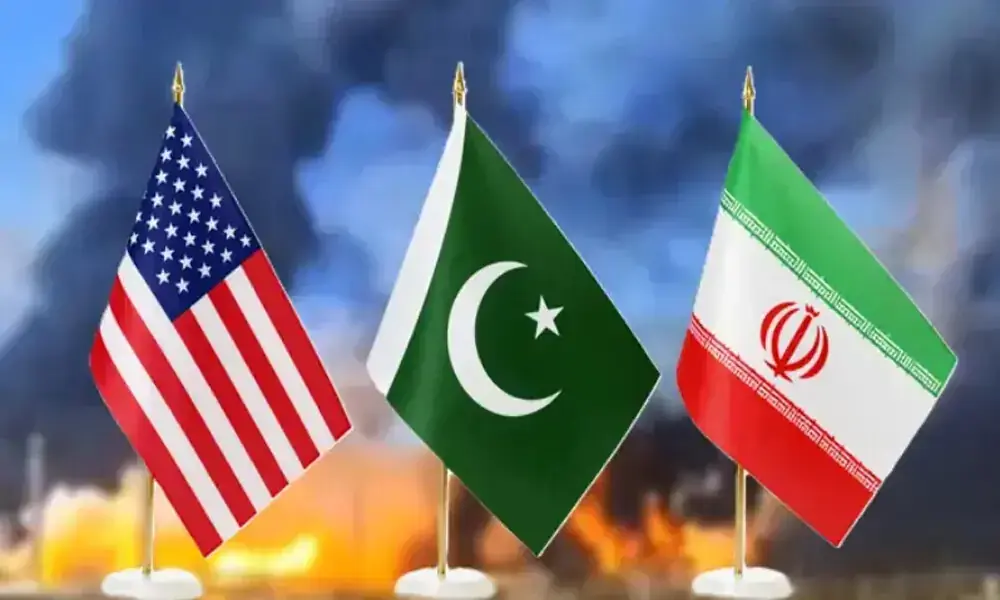
EDITORIAL: A second round of negotiations between the United States and Iran now appears within reach, following a phase of intense diplomatic engagement in which Pakistan has again emerged as a central interlocutor. The recent truce, including the extension of de-escalation to Lebanon, signals that one of Tehran’s core demands is beginning to register in Washington. This shift, however tentative, has brought the prospect of a broader settlement closer than it has been since the conflict began. Pakistan’s role in this process has been both visible and substantive. The prime minister’s engagements across key regional capitals, coupled with parallel military-level outreach to Tehran, reflect a coordinated effort to sustain momentum. Islamabad has acted as a conduit for communication between adversaries that remain deeply mistrustful of one another, while maintaining alignment with Gulf partners whose own security concerns are directly affected by the conflict. Yet this diplomatic architecture rests on a fragile equilibrium. The initial contact between US and Iranian delegations in Islamabad established a foundation, but it is the continuity of engagement that will determine whether that foundation can support a durable agreement. The absence of a formally scheduled second round so far underscores the uncertainty that still surrounds the process, even as both sides signal a willingness to proceed. The inclusion of Lebanon within the scope of de-escalation is a critical development. From Tehran’s perspective, any ceasefire that excludes active theatres where its interests are engaged would remain incomplete. The willingness to incorporate Lebanon into the truce framework suggests that this position is being taken seriously. It also reflects a broader recognition that compartmentalising conflicts in the region is increasingly untenable. For the peace process to advance, this recognition must be translated into policy. A settlement that addresses only one dimension of the conflict while allowing hostilities to persist elsewhere risks collapsing under its own contradictions. The continued volatility in Lebanon, where military operations have at times proceeded even as diplomatic efforts intensified, illustrates the dangers of such an approach. The responsibility for bridging this gap rests primarily with Washington. As the principal actor on one side of the conflict and the key external influence over Israel, the United States holds the leverage required to align military actions with diplomatic objectives. Ensuring that the de-escalation extends consistently across all active fronts, including Lebanon, will be essential to maintaining the credibility of the negotiations. Pakistan’s position, shaped by both regional proximity and broader economic considerations, has been to support a comprehensive approach to de-escalation. The risks associated with a prolonged conflict are not confined to immediate security concerns. Disruptions to energy markets, trade routes and financial flows have already begun to reverberate beyond the region, reinforcing the urgency of a negotiated settlement. At the same time, the current moment presents an opportunity. The willingness of both the United States and Iran to engage, even indirectly, indicates that the costs of continued confrontation are being reassessed. The temporary truce has created space for dialogue, and the diplomatic channels now in place provide a mechanism for advancing that dialogue towards a more permanent outcome. Maintaining this momentum will require discipline from all parties involved. Public messaging that escalates tensions or introduces new conditions risks undermining the progress achieved so far. The same applies to actions on the ground that contradict the stated intent to de-escalate. Consistency between words and actions will be the measure by which the process is judged. For Pakistan, the immediate objective is clear: to sustain engagement and facilitate a framework in which a comprehensive settlement can be reached. This role carries both opportunity and responsibility. Success would reinforce Islamabad’s standing as a credible mediator, while failure would underscore the limits of diplomacy in the absence of alignment among principal actors. The path to a lasting agreement is still uncertain, but it is no longer obscured. The contours of a settlement are visible, and the mechanisms for achieving it are in motion. What remains is the political will to carry the process through to its conclusion. Copyright Business Recorder, 2026
Go to News Site