


 Business Recorder
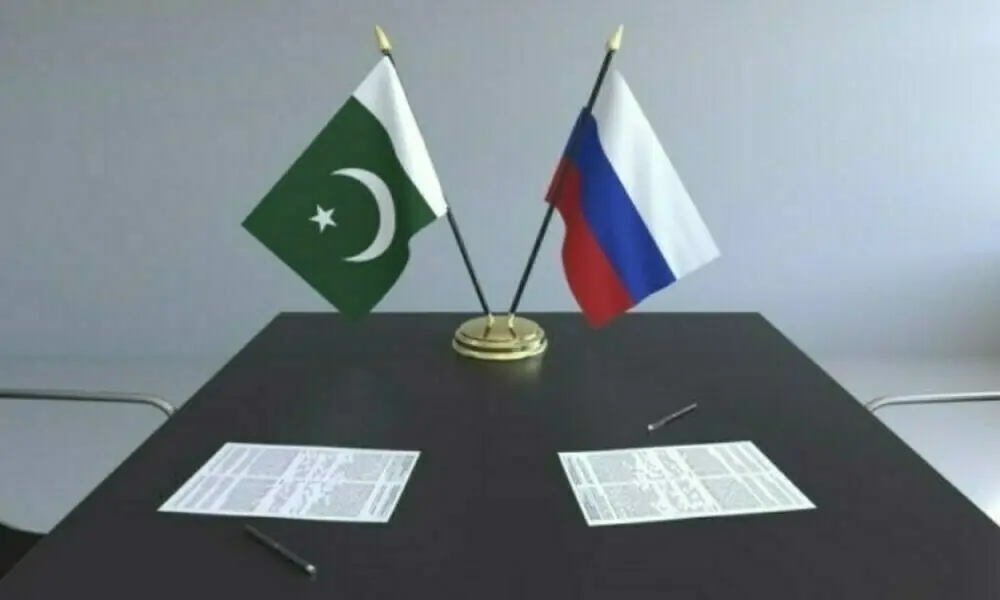
ISLAMABAD: Russia has offered to extend cooperation to Pakistan in strengthening cyber protection of its energy sector infrastructure, a move that comes amid rising global concerns over cyber threats targeting critical utilities, well-informed sources told Business Recorder . The offer was formally conveyed by Russian Energy Minister Sergei Tsivilev in a letter addressed to Pakistan’s Minister for Power Sardar Awais Ahmad Khan Leghari. The development follows growing engagement between Islamabad and Moscow, with both countries reaffirming their commitment to deepening bilateral cooperation across diversified trade, energy, business-to-business linkages, and social sectors such as health and education. Earlier, in November 2025, during the three-day 10th Pakistan-Russia Intergovernmental Commis-sion (IGC) on Trade, Economic, Scientific and Technical Cooperation, the two sides signed three memoranda of understanding (MoUs) covering quality standards, anti-monopoly regulation, and media collaboration—signalling a broader expansion of institutional ties. READ MORE: Moscow ready to supply discounted oil to Pakistan: envoy Energy cooperation has remained a central pillar of the relationship. Both sides have acknowledged ongoing engagement in oil and gas, while also identifying new opportunities in LNG and LPG supply arrangements. In addition, discussions have highlighted collaboration in renewable energy, hydropower development, and water-related technologies, including hydrological monitoring and flood resilience—areas of increasing importance for Pakistan in the face of climate change. In his communication, the Russian minister expressed appreciation for Pakistan’s support in advancing bilateral energy cooperation and underscored the growing complexity of cyber threats facing the global energy sector. He noted that such threats transcend national boundaries and require coordinated, proactive, and rapid responses. Against this backdrop, Russia has proposed that both countries jointly develop a comprehensive program to assess and enhance the cyber resilience of Pakistan’s critical energy infrastructure. The initiative is aimed at strengthening institutional capacity, protecting vital systems, and fostering closer collaboration in cyber security between the two nations. To operationalise the proposal, Russia has recommended engaging Cyberus as the executing partner. The organization is a private foundation that brings together key industry stakeholders and leading experts in industrial cyber security. Cyberus currently serves as a strategic partner to Russia’s Ministry of Energy and plays a significant role in safeguarding the country’s energy infrastructure, particularly within the fuel and energy complex. It is also involved in joint initiatives with international partners, focusing on enhancing cyber resilience in critical sectors. “We are confident that the proposed approach, supported by Cyberus, will be of great importance for ensuring cyber sustainability across the energy sector,” the Russian minister stated. As part of the proposed framework, Russia has suggested the establishment of a joint inter-agency working group comprising relevant government bodies and interested companies from both sides. The group would be tasked with developing and implementing the proposed cyber security program. Experts believe that such cooperation could prove timely for Pakistan, which is increasingly digitizing its power sector through initiatives like smart grids and advanced metering infrastructure (AMI). While these technologies improve efficiency and transparency, they also expose the system to new cyber vulnerabilities, making robust security frameworks essential. The proposed collaboration, if materialized, could mark a significant step toward enhancing Pakistan’s energy security and resilience against emerging cyber threats, while further strengthening strategic ties between Islamabad and Moscow. Copyright Business Recorder, 2026
Go to News Site