


 Business Recorder
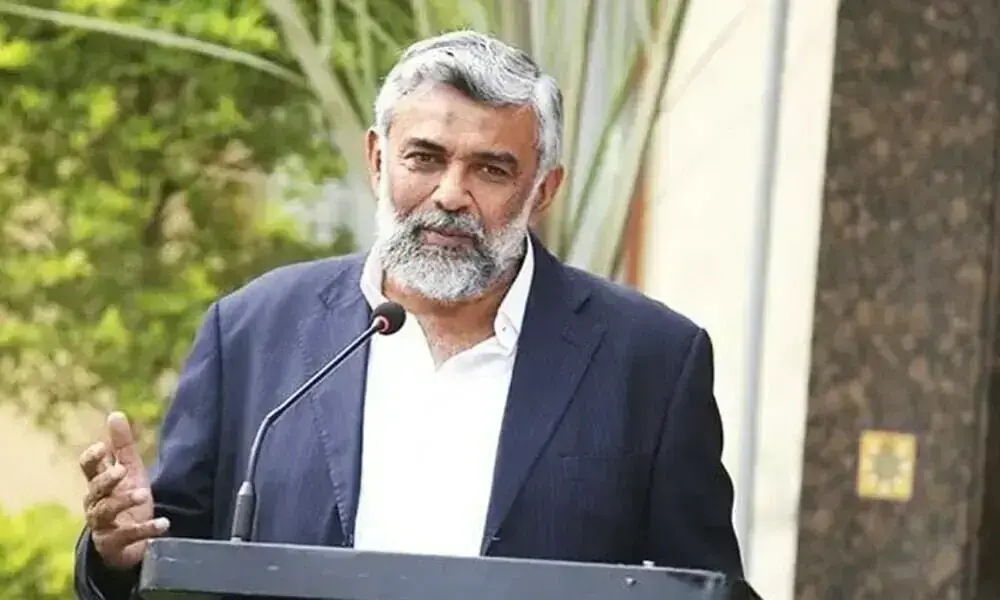
KARACHI: Stressing the need to break the deadly debt trap stifling the national economy, Pasban Democratic Party (PDP) Chairman Altaf Shakoor here Sunday said a stronger economy is a must for a sustainable defence also. He said it is a matter of national satisfaction that the defence capabilities of our country continue to strengthen, reflecting the country’s firm resolve to safeguard its sovereignty and territorial integrity. However, history offers a clear and unavoidable lesson: military strength alone cannot guarantee long-term national stability. Without a strong economic base, even the most robust defence structures eventually face constraints. He said the collapse of the Soviet Union remains a decisive example in modern history. Despite possessing one of the world’s most powerful military establishments, economic fragility ultimately led to their systemic breakdown. The lesson is unambiguous: economic strength is not secondary to national security—it is its foundation. He said at present, Pakistan’s economy is under significant fiscal pressure. Total public debt stands at approximately Rs 78–80 trillion, comprising both domestic and external obligations. More critically, debt servicing has become the single largest expenditure item in the federal budget. In the current fiscal structure, nearly Rs 8.2 trillion is allocated for debt servicing, which consumes around 46–47 percent of total federal expenditures. This leaves limited fiscal space for development spending, public services, and investment in productive sectors. He said due to this tight debt noose we even can’t make our own budget independently, without dictation of the lender agencies. He said we talk about sovereignty, adding in a political sense we are a sovereign nation but in an economic sense we are not. He said in this environment, engagement with the International Monetary Fund and continued financial support from friendly countries provides us some breathing space. However, a growing concern is the increasing reliance on external inflows not only for development needs, but also for meeting existing repayment obligations. While such arrangements may provide temporary relief, they highlight a structural vulnerability that cannot be ignored. He said from the perspective of taxpaying citizens, the issue is straightforward: when nearly half of national expenditure is absorbed by debt servicing, the capacity of the state to invest in future growth is severely constrained. The concern is not about financial mechanisms themselves, but about the long-term sustainability of an economic model that remains heavily dependent on borrowing. He said Pakistan’s core economic challenge lies in a persistent imbalance between limited revenue generation and high public expenditure. The tax base remains narrow, while significant segments of the economy remain under-documented. Expanding the tax net, improving compliance through digital systems, and strengthening institutional transparency are essential steps toward fiscal sustainability. He said on the expenditure side, structural inefficiencies continue to strain public finances. Loss-making state-owned enterprises, energy sector inefficiencies, and untargeted subsidies remain key fiscal burdens. Without meaningful restructuring and rationalization, these pressures will continue to accumulate. Altaf Shakoor said a sustainable path forward requires a decisive shift toward export-led growth. Pakistan must move beyond low-value production and strengthen higher-value sectors such as information technology, engineering goods, pharmaceuticals, and value-added manufacturing. Export expansion remains the only durable solution to reducing external dependency. He said energy sector reform is equally critical. High transmission losses, circular debt, and inefficiencies in distribution continue to weaken macroeconomic stability. Addressing these structural issues is essential for long-term economic resilience, he said. Policy consistency also remains a major challenge. Frequent shifts in economic direction undermine investor confidence and discourage long-term planning. He said a stable and coherent economic framework, maintained across political transitions, is essential for sustained growth. Human capital development must also be prioritized. Investment in education, technical training, and healthcare directly enhances productivity and strengthens the foundation of long-term economic progress. Pakistan must also improve its external resilience by increasing foreign exchange earnings through exports, remittances, and investment inflows, he urged. Reducing dependence on emergency financing cycles is essential for restoring financial autonomy. It is therefore imperative to devise a comprehensive and sustainable economic policy framework aimed at breaking the debt trap. He said while short-term financial arrangements may provide necessary breathing space, continued reliance on borrowing to meet existing obligations—often described as “robbing Peter to pay Paul”—cannot serve the nation’s long-term interests. Only structural reforms focused on revenue expansion, export-led growth, fiscal discipline, and institutional efficiency can shift the economy from vulnerability to stability. He said a stronger defence requires a stronger economy—and without economic sovereignty, national strength remains incomplete. Copyright Business Recorder, 2026
Go to News Site