


 Ruptly
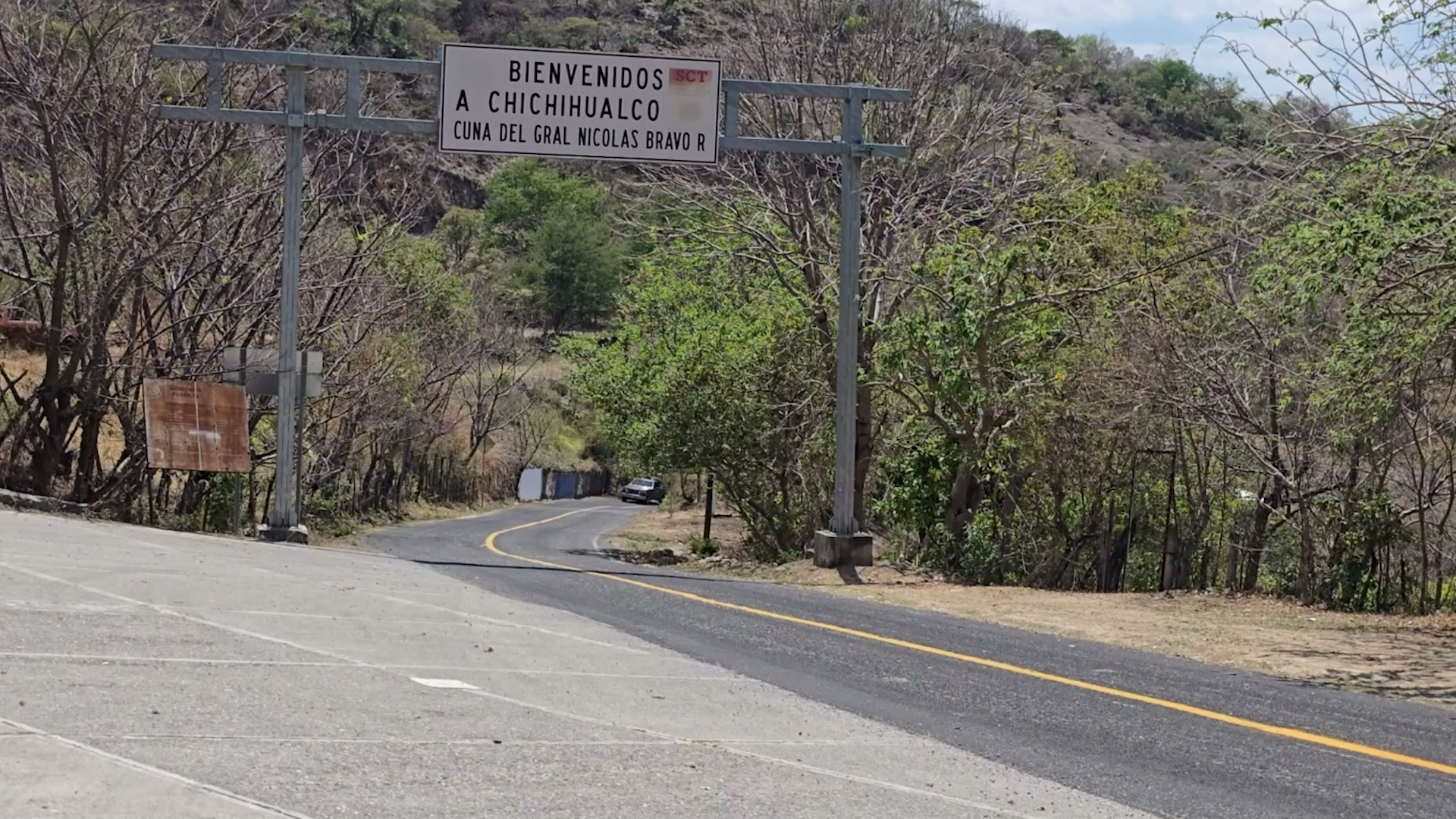
"The artisanal manufacture of footballs has endured for more than 60 years in Chichihualco, a community in the municipality of Nicolas Bravo in the southern Mexican state of Guerrero, with the tradition gaining renewed attention ahead of the 2026 World Cup. Footage shows workers cutting synthetic leather into hexagonal shapes, painting and assembling panels, and applying glue to finished balls before packing. The origin of this production in the region dates back to 1963, when the first knowledge of hand-stitched ball production reached the community as an economic alternative in a region mainly devoted to agricultural work. "The story of the ball began in 1963. Through a brother of mine named Ramiro. He brought the ball here to be stitched," explained Humberto Alarcon Sosa, a local football producer. "From there the ball was born, to stitch the ball here, because before that people here only lived off farming." The artisanal production of leather footballs began with the founder and pioneer Zeferino Alarcon Adame, originally from Leon, Guanajuato. His calf-leather ball, registered under the brand 'Estrella Super Crack', was used in 1975 in the First Division league and in the Pan American Games. "It used to be leather. Later, leather became scarce, and they looked for a way to make the ball differently, and then synthetic material emerged," said Kiker Pro's Humberto Alarcon. At the peak of the 'Kiker Pro' brand, more than 50,000 balls were produced each month across around 70 workshops in Chichihualco. Production has since dropped by 70 percent due to competition from Chinese manufacturers."
Go to News Site