


 Forbes India
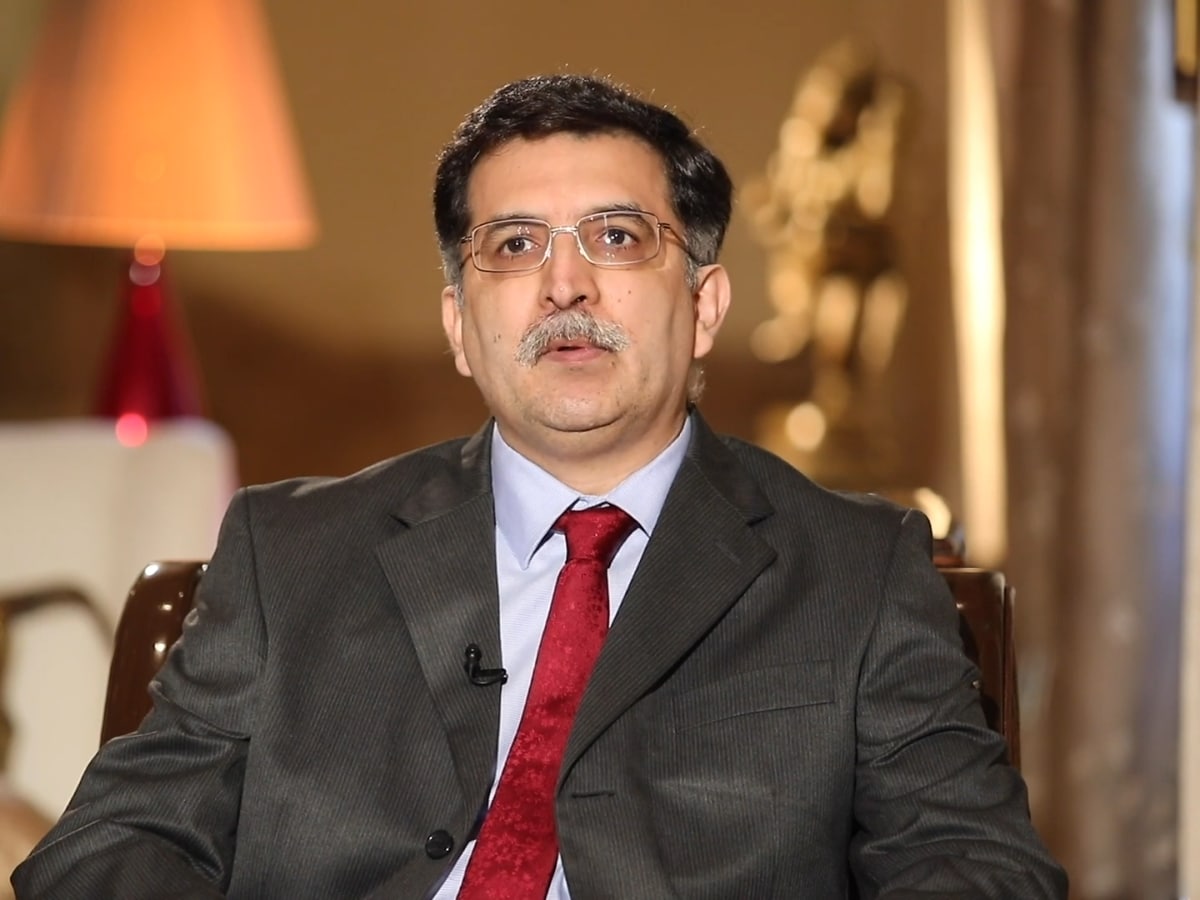
Until recently, Siddharth Sharma operated largely outside the glare of corporate headlines. That has changed abruptly.As CEO of Tata Trusts, Sharma now finds himself at the centre of an escalating governance dispute—one that has drawn in senior trustees, triggered resignations, and raised broader questions about institutional authority.The immediate flashpoint has been his role in asking senior figures such as Venu Srinivasan and Vijay Singh to consider stepping down from the Bai Hirabai Trust. While Srinivasan stepped down, Singh requested more time to make a decision, as per a report in the Economic Times.What might have remained an internal administrative decision has instead spilled into the open, placing Sharma in an unusual position for a Tata Trusts CEO—a role that typically functions behind the scenes, executing board decisions rather than becoming part of the story.Sharma’s rise has been anything but conventional. A career civil servant for over two decades, he served in roles across the Indian government, including in the finance ministry and at the President’s Secretariat, where he was a financial advisor to two Presidents.He moved to the Tata Sons ecosystem in 2019 as chief sustainability officer, where he helped shape the group’s ESG roadmap, including its long-term net-zero ambitions. His appointment as CEO of Tata Trusts in 2023 marked a shift from policy design to institutional execution—overseeing one of India’s oldest and most influential philanthropic networks.That mandate is now under strain. The dispute around trustee eligibility at the Bai Hirabai Trust has widened into a broader contest over governance. He may have overstepped his brief, or it could simply be a case of him implementing a board decision that had complex legal interpretations.Also Read: Tata Trusts to rewrite governance rules at Bai Hirabai TrustIn its recent statement, Tata Trusts publicly backed its leadership while reiterating its commitment to an “inclusive, secular” ethos and moving to amend restrictive clauses in the trust deed of the Bai Hirabai Trust that barred non-Zoroastrians from board positions.For Sharma, the episode marks a defining shift. Unlike his earlier work in sustainability, where outcomes played out over long timeframes, this is governance in real time, where decisions are immediate and can be contested.The stakes extend beyond one trust or one set of appointments. Through their holding in Tata Sons, the Trusts sit at the apex of the Tata group, giving internal governance questions an outsized significance.For a CEO who arrived with a mandate to institutionalise systems and sustainability, this moment has unintentionally thrust the spotlight on him.
Go to News Site