


 Business Recorder
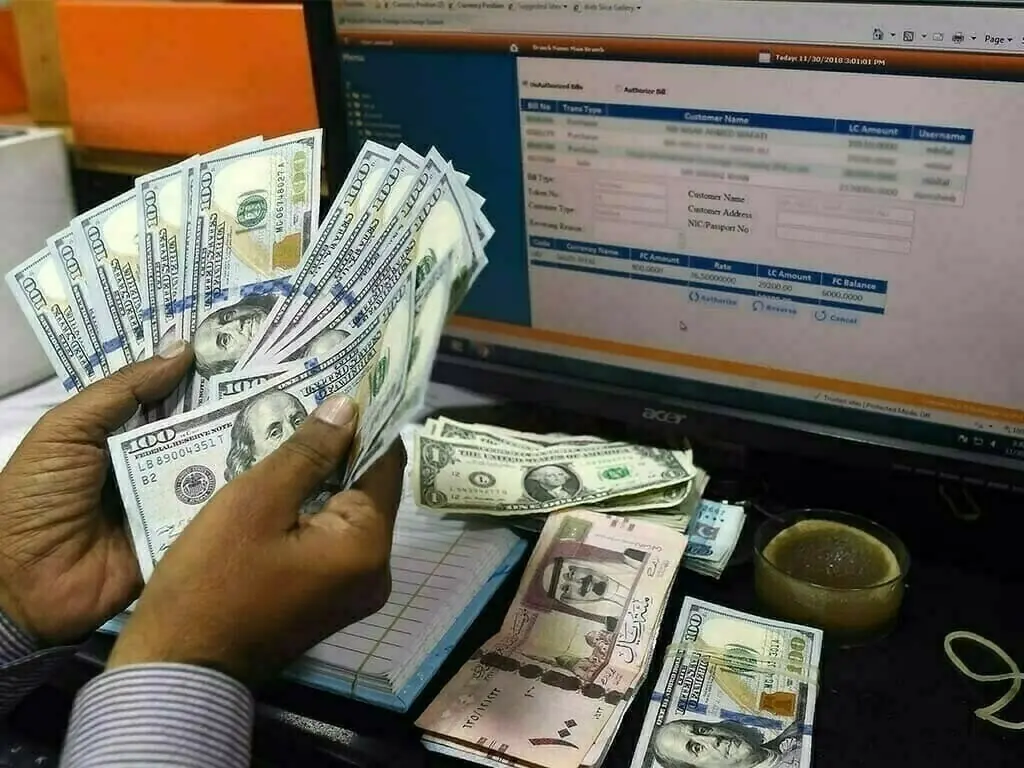
EDITORIAL: A few days ago, while addressing the business community in Karachi, the interior minister, Mohsin Naqvi, urged Pakistanis to bring back money they had transferred abroad in previous years. The tone suggested a degree of urgency. The government is finding it increasingly difficult to shore up foreign exchange reserves: war-related uncertainty is drying up some inflows, energy import payments are set to rise, and there is also a risk that home remittances could weaken. The government appears to be relying on a carrot-and-stick approach. On the one hand, officials are hinting at some form of incentive in the next budget for those who repatriate their money. This could take the shape of lower taxes or some other concession. But nothing concrete has been announced, and given the federal government’s tight fiscal position, it is difficult to see how meaningful fiscal incentives could be offered. Investors are likely to remain cautious until there is greater clarity. On the other hand, there were also hints of action against those who moved money abroad through informal channels. But once money has left the country, the government cannot realistically force its return through threats or rulings. In the end, the decision rests with individuals. They will bring money back only if they see a credible advantage in doing so. One factor working in the government’s favour is the rising economic risk in the Middle East because of the war. A large share of affluent Pakistani wealth is believed to be parked in the UAE, and that region is now seen as significantly riskier than before. Those who have placed their savings there may be considering diversification, either by moving funds to other jurisdictions or, in some cases, by bringing some of it back home. There are already a few signs that this may be happening on the margin. Hawala rates are negative, trading below the interbank market, and there has been some pick-up in Karachi’s property market. That suggests the outflow of money to the UAE may have slowed, while some capital may also be finding its way back. This is the opening the government and the State Bank of Pakistan should focus on. The right incentives could encourage more people to repatriate funds. Coercion, by contrast, is unlikely to work and could even prove counterproductive. The better approach is to strengthen the carrots. One obvious step would be to raise the limit up to which no questions are asked about remitted funds. In 2017-18, the government allowed up to Rs5 million to be brought back without inquiry, which was roughly $50,000 at the time. That threshold still stands at Rs5 million, but today it is worth less than $20,000. That limit needs to be updated. Fear of the tax authorities will discourage many people from bringing hard-earned savings back to a country where macroeconomic and political risks remain high. An effective threshold should be closer to $250,000, and at the very least not below $100,000. If the government moves in that direction, more people may be willing to repatriate their funds. If it fails to act, however, investors may simply choose a different safe haven instead of the UAE rather than bringing money back to Pakistan. Pakistan should also use its geopolitical relevance, especially at a time when it is emerging as an important player in efforts to mediate between Iran and the US, to seek some flexibility from the IMF and think more creatively about attracting badly needed investment. That includes both domestic and foreign capital, which is essential if the country is to restart its reform agenda. Copyright Business Recorder, 2026
Go to News Site