


 Business Recorder
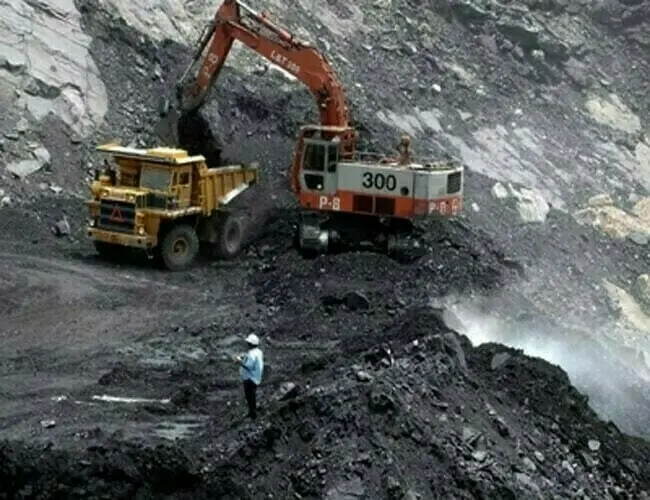
EDITORIAL: Opening protected forests and conservation areas to mining may promise economic gains, but it also forces a difficult trade-off that cannot, rather should not, be left entirely to broad legislative discretion. The Punjab Assembly’s standing committee has cleared amendments to allow mineral extraction in areas previously shielded under forest and wildlife laws, raising concerns about how far the state is willing to stretch the definition of “national importance” in pursuit of growth. The rationale behind the move is familiar. Mineral development offers revenue, employment and a pathway to reduce reliance on imports. The existing legal framework, according to the proponents of these amendments, has constrained the sector’s potential. Aligning provincial laws with national mineral policy and curbing illegal mining through formalisation are presented as necessary steps in unlocking economic value. These arguments carry weight. Pakistan’s fiscal position leaves limited room to ignore viable sources of domestic resource mobilisation. A regulated mining sector can generate income, create jobs and contribute to industrial development. In a context where economic pressures are persistent, the appeal of tapping into under-utilised mineral reserves is understandable. Yet the location of these resources introduces a layer of complexity that cannot be overlooked. Protected forests and designated conservation areas are not arbitrary classifications. They exist to preserve biodiversity, maintain ecological balance and provide environmental services that extend beyond immediate economic calculations. Once these areas are opened to extraction, the impact is rarely contained or easily reversible. Environmental experts have warned that the proposed amendments risk causing irreversible damage. The concern is not limited to the loss of tree cover. Mining operations disrupt habitats, fragment ecosystems and alter water systems. The cumulative effect extends to wildlife displacement, soil degradation and long-term changes in land use patterns. These outcomes carry costs that are not always captured in project-level assessments but are borne over time by the broader economy. There is also a legal and policy dimension. Reclassifying protected areas for projects deemed to be of national importance effectively weakens the integrity of conservation laws. If the designation of a protected area can be altered through administrative or legislative means to accommodate extractive activity, the certainty that such status is meant to provide begins to erode. Over time, this creates a precedent where environmental safeguards become conditional rather than binding. Pakistan’s international commitments further complicate the picture. The country has aligned itself with climate adaptation frameworks and biodiversity conservation goals that emphasise the protection of natural ecosystems. Opening protected areas to mining risks placing these commitments in conflict with domestic policy decisions, potentially affecting both credibility and access to climate-related financing. The central issue, therefore, is not whether mining should be pursued, but how and where it is undertaken. A blanket approach that allows extraction within protected zones under a broadly defined category of national importance invites misuse. What is required instead is a clearly defined framework that sets out strict criteria for any such activity. This would include comprehensive environmental impact assessments, independent oversight, transparent approval processes and enforceable mitigation measures. Equally important is the question of alternatives. If mineral extraction is to be expanded, priority should be given to areas where environmental sensitivity is lower and the cost of disruption is more manageable. Investment in technology and regulatory capacity can also help address illegal mining without compromising protected ecosystems. The debate ultimately comes down to balancing immediate economic needs with long-term sustainability. Short-term gains from mining must be weighed against the enduring value of forests and biodiversity. Once ecological damage crosses certain thresholds, restoration becomes both costly and uncertain. The approval of these amendments signals an intent to accelerate economic activity in the mining sector. Whether that intent translates into responsible policy will depend on the safeguards that accompany it. Without a robust framework, the risk is that economic objectives will be pursued at the expense of environmental stability, leaving future costs to be absorbed elsewhere in the system. A measured approach remains possible. It requires recognising that development and conservation are not mutually exclusive, but they do demand careful alignment. The challenge for policymakers is to ensure that in seeking to unlock one set of resources, the country does not irreversibly diminish another. Copyright Business Recorder, 2026
Go to News Site