


 Ruptly
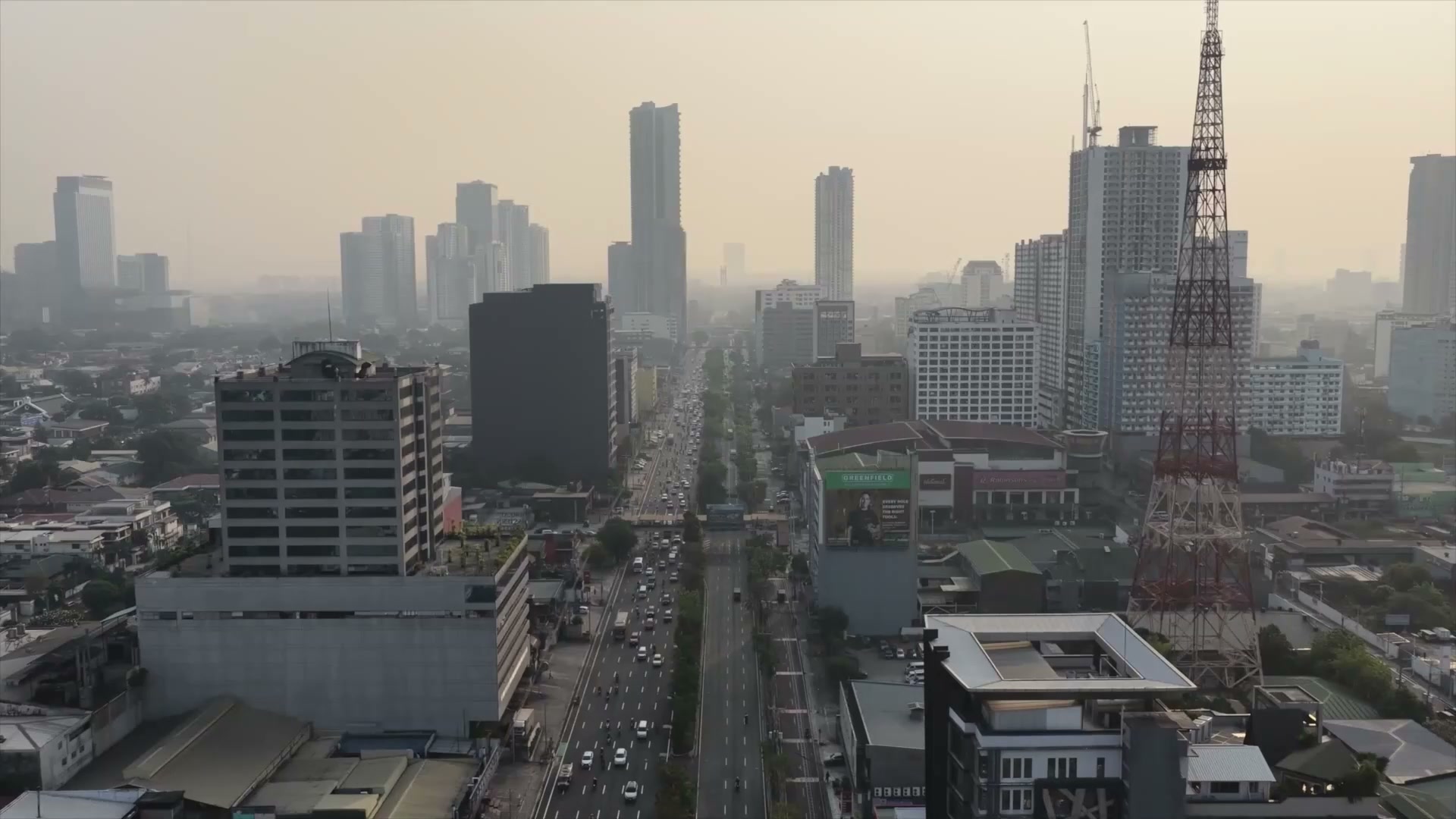
"Major thoroughfares in Quezon City turned into scenes of desperation on Monday as thousands of commuters were left stranded by a transport strike over the high cost of fuel. Footage shows commuters can be seen waiting by the roadside and boarding crowded buses, while long queues form. Passengers continue to pack into trains as transport options remain limited. As the strike paralysed key routes like Quezon Avenue and Commonwealth Avenue, the government slashed the fare on MRT-3 and LRT-2 lines by half. Abdullah Amroden, a 26-year-old salesman at a supermarket, feared that the uptick in fuel prices might lead to food inflation. “Gasoline prices also went up. It's also possible that the prices of all goods will also go up,” Amroden said, urging the government to increase the minimum wage of ₱695 ($11.61). For Ian Lloyd Olaybal, a 20-year-old worker at a supermarket, the daily struggle has become an endurance test. “It’s very hard to ride a jeepney because there are drivers who stopped driving because of the fuel increase,” Olaybal noted, while squeezing into a crowded bus. “The lower fare rates of MRT are a great help to commuters like me who are minimum wage earners. Our meager income can’t meet ends,” he added. Rey, a jeepney driver who joined the strike, noted that: “The burden is really heavy. Everyone is affected, everything is affected, including the prices of goods.” The Philippines is heavily dependent on its energy supply from the Middle East, with over 90 percent of its fuel imports transiting the Strait of Hormuz, which remains blocked due to the US-Iran war. Last month, the country’s President Ferdinand R. Marcos Jr. declared a state of emergency over the energy shortages. In a media briefing on Monday, Energy Secretary Sharon Garin said the government could now limit fuel price hikes or set a minimum rollback on pump prices."
Go to News Site