


 Forbes India
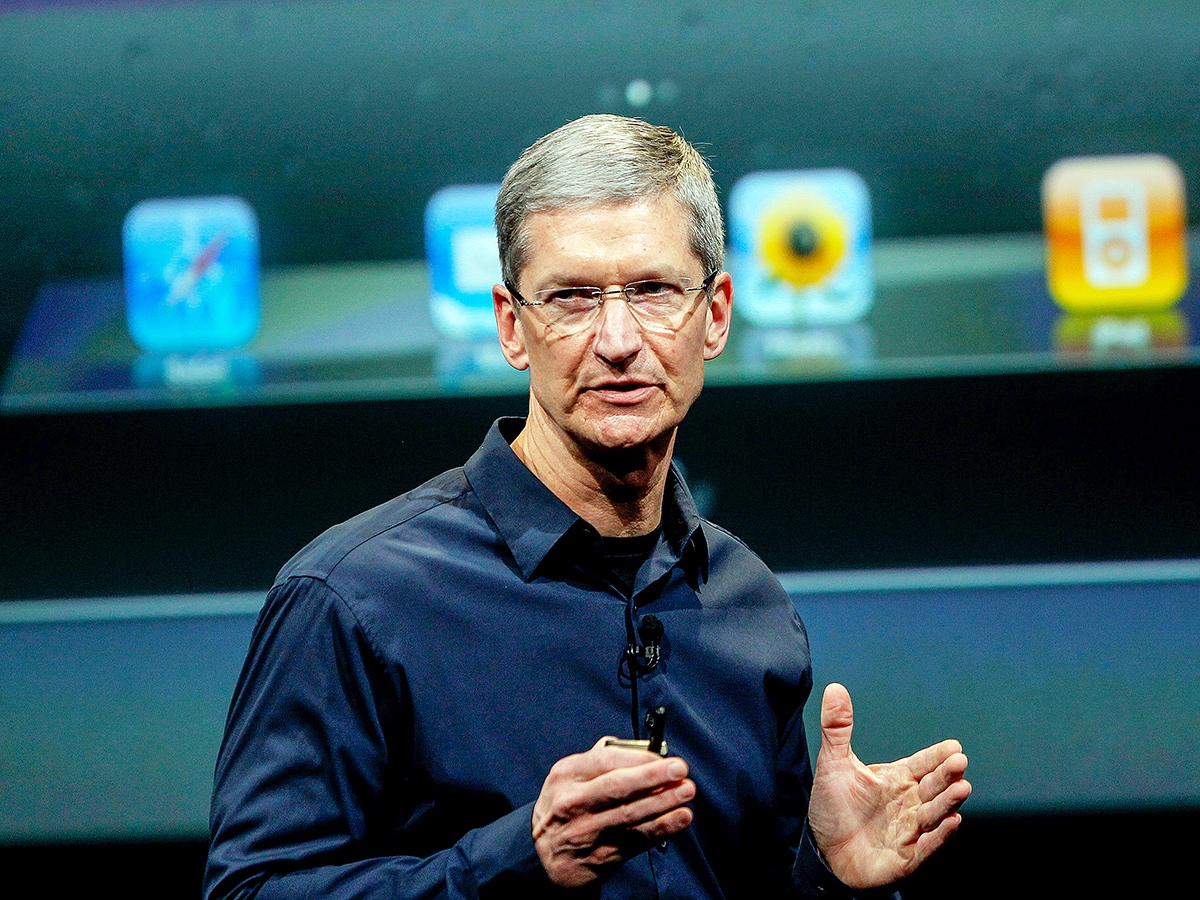
The navy shirt said everything. When Tim Cook took the stage on October 4, 2011, to launch the iPhone 4S—his first product event as Apple’s chief executive officer—there was no black turtleneck, and no Steve Jobs.Cook became Apple’s seventh CEO on August 24, 2011, six weeks before Jobs died of pancreatic cancer. The company’s market capitalisation was around $350 billion, already remarkable but a fraction of what it would become. Revenue in fiscal 2011 was $108 billion. The iPhone was only four years old. The iPad had launched just the year before.So when Cook took over, much of the technology community and Wall Street harboured serious doubts about whether a supply chain executive—however brilliant—could sustain a culture built on the creative obsession of one of history’s most demanding product minds.What happened over the next fifteen years is proof that they were asking the wrong question.While Cook’s tenure was not defined by innovation that marked the Jobs era, he brought a ruthless operational discipline and introduced more categories. He also wrapped in a political and diplomatic instinct his predecessor never needed. Here’s a look at some of the milestones under Cook.Also Read: MacBook Neo Launch: Is Apple Disrupting India’s Rs70,000 Laptop Segment? Apple CEO Tim Cook displays his personal Apple Watch to customers at an Apple Store on April 10, 2015 in Palo Alto, California.Photo by Stephen Lam / Getty Images via AFPApple WatchCook unveiled the Apple Watch, the company’s first entirely new product category under his leadership. Sceptics questioned whether a luxury-lifestyle device could become a platform. Wearables eventually became one of Apple’s highest-growth segments. AirPods are displayed as Apple Inc CEO Tim Cook makes his closing remarks during an Apple media event in San Francisco, California, U.S. September 7, 2016.Photo by Beck Diefenbach / ReutersAirPodsLaunched alongside the iPhone 7, AirPods were derided as overpriced dongles upon announcement. They became a cultural phenomenon and the anchor of Apple’s wearables business, generating billions in annual revenue and reshaping how an entire generation consumes audio.Services PivotLaunched Apple Music in 2015. iCloud and the App Store had already been growing, Cook systematised them into a coherent revenue engine. Apple TV+, Apple Arcade, and Apple Card launched in a single year (2019), marking the most aggressive expansion of the services segment in the company’s history.Services generated $109 billion in revenue in fiscal 2025, contributing 26 percent to total revenue. But the segment enjoys gross margins of 75 percent, much higher than hardware’s 36 percent.$1 trillion McapOn August 2, 2018, Apple became the first publicly-traded American company to reach a $1 trillion market capitalisation. The milestone validated Cook’s services pivot and the sustained iPhone franchise.Vision ProPerhaps Cook’s boldest bet. Apple unveiled its spatial computing headset at $3,499, entering a market that had humbled every prior entrant. Vision Pro drew extraordinary reviews for its technology and widespread criticism for its price and weight. Sales remained modest. U.S. President Donald Trump speaks as Apple CEO Tim Cook gestures, in the Oval Office at the White House, as they present Apple's announcement of a $100 billion investment in U.S. manufacturing, Washington D.C., U.S., August 6, 2025.Photo by Jonathan Erns / ReutersDiplomacyCook navigated two Trump administrations with a personal relationship management style that kept Apple largely shielded from the most punishing tariff regimes. He announced US manufacturing expansions, including glass production in Kentucky and Mac Pro assembly in Houston, and secured tariff exemptions that competitors could not. Revenue hit an all-time record of $143.8 billion in a single quarter in fiscal Q1 2026.Bottom LineRevenue nearly quadrupled from $108 billion in fiscal 2011 to more than $416 billion in fiscal 2025. The iPhone alone became a $210 billion annual business, while services crossed $109 billion. Apple’s share price appreciated more than 1,700 percent over the span of his tenure. The company crossed $1 trillion in market cap, then $2 trillion, then $3 trillion, and hit $4 trillion in October 2025, making it, at various points, the most valuable company in the world.Net income in fiscal 2025 had risen to $112 billion from $26 billion in fiscal 2011, a 330 percent surge.Cook also used that capital deliberately. Apple became one of the largest corporate repurchasers of its own shares in history, returning hundreds of billions to shareholders while keeping the balance sheet among the most pristine in corporate America. He launched a serious environmental commitment, targeting full carbon neutrality across the entire business by 2030.
Go to News Site