


 Business Recorder
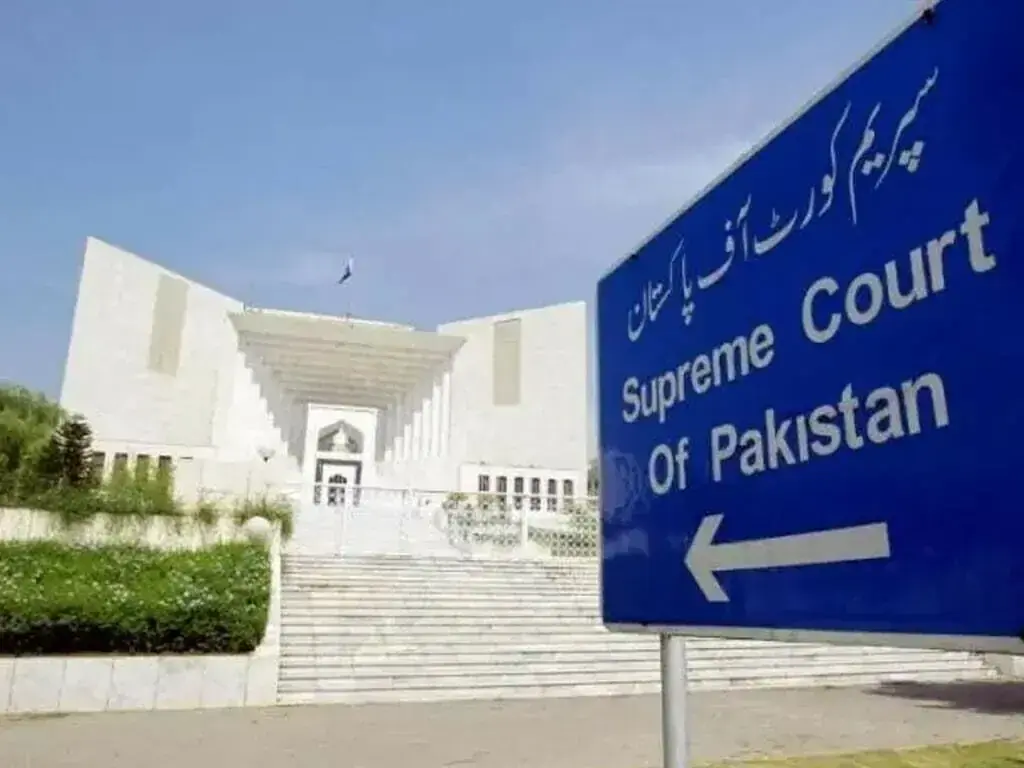
ISLAMABAD: The Supreme Court of Pakistan on Tuesday notified that it will function with minimal specified officers/officials Wednesday (Apr 22) and the remaining officers/officials will work from home. According to a notification issued by the Supreme Court’s PRO, the officers who will work from home shall remain in contact with their immediate supervising officers by keeping themselves connected through cell phone. The notification also said that no adverse order shall be passed in case of non-appearance of any party or advocate in any case of Islamabad fixed in the Final Cause List on the mentioned date. Furthermore, the Supreme Court Branch Registries at Lahore, Karachi, Peshawar, and Quetta shall remain open. Earlier, the Supreme Court issued Standard Operating Procedures (SOPs) to ensure uninterrupted judicial functioning during unforeseen public holidays and to streamline case fixation through a transparent, priority-based, and predictable system. On Monday, the Supreme Court conducted proceedings with one of the members of the bench, Justice Ayesha Malik, participating from the Lahore Registry via secure video link. Around 20 cases were disposed of out of 28 cases heard by the bench. Under the SOPs, the Court’s administrative and judicial business shall ordinarily continue during emergently declared public holidays with minimal essential staff arrangements, unless otherwise directed by the Chief Justice of Pakistan, Yahya Afridi. The case fixation framework prioritizes urgent civil and criminal matters, including family cases, bail matters, criminal review petitions, cases of prisoners above 80 years of age, restoration petitions and compromise matters, and cases involving short legal questions. To reduce pendency, at least 40% of each Final Cause List shall consist of the oldest pending cases up to the year 2018, with progressive inclusion of later years where required. Special facilitation has also been provided for cases filed by counsel from Sindh and Balochistan. The SOPs further provide for the issuance of weekly and proposed monthly cause lists, along with the development of an automated case fixation system to enhance transparency, minimize delays, and improve case flow management. Copyright Business Recorder, 2026
Go to News Site