


 Business Recorder
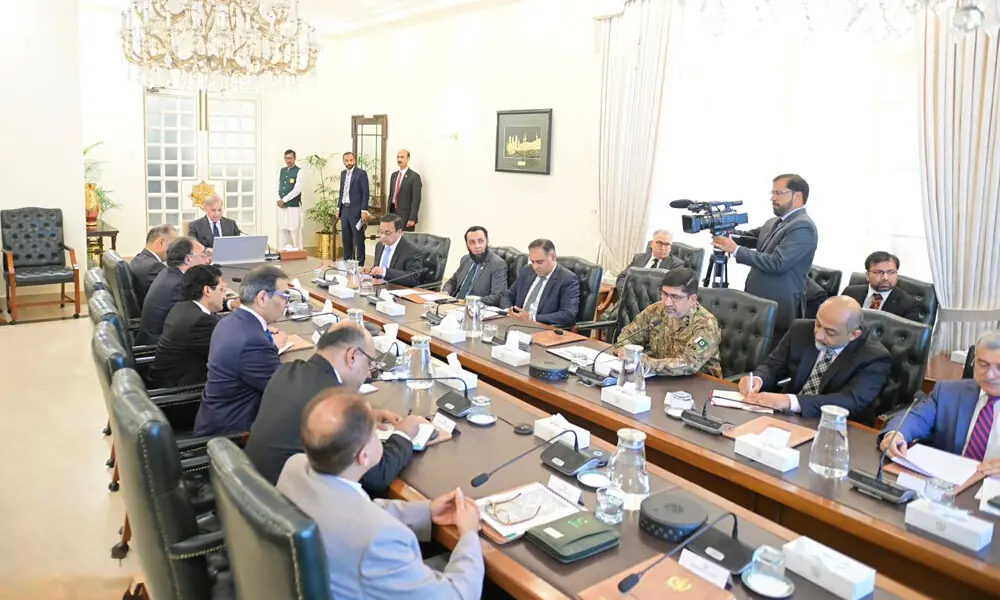
ISLAMABAD: Prime Minister Shehbaz Sharif on Thursday emphasised that energy security is a cornerstone of the country’s future planning, stating that the government’s timely conservation measures had averted a potential crisis amid regional instability. Chairing a high-level meeting on energy security, Sharif said the government was preparing a plan to maintain strategic crude oil reserves to meet the country’s long-term energy needs. The prime minister also highlighted the need for a transition to eco-friendly transport, calling for a gradual shift to electric vehicles. He directed that all future government purchases of buses and motorcycles be electric and urged an accelerated rollout of charging infrastructure across the country. READ MORE: The prime minister called for a strategy to facilitate the acquisition of batteries for storing surplus solar power and encouraged the local production of high-quality storage batteries. In a detailed briefing, the officials said that the National Coordination and Management Council (NCMC) was monitoring the country’s energy situation on a daily basis. They said that petroleum stocks were sufficient and the nation’s food security remained stable. Participants were also told that domestic production of oil and gas was rising, aided by continuous efforts from local energy companies. Two pilot projects for grid-level battery storage are being prepared, and solar power users are being incentivised to install battery storage systems. The meeting was attended by Finance Minister Muhammad Aurangzeb, Energy Minister Awais Leghari, Information Minister Attaullah Tarar, Petroleum Minister Ali Pervez Malik, Planning and Development Minister Ahsan Iqbal, adviser to the prime minister on privatisation Muhammad Ali, State Minister for Finance Bilal Azhar Kayani, the special assistant to the prime minister on industries Haroon Akhtar and senior government officials. Last month, the prime minister announced a suite of austerity and fuel conservation measures, including a four-day workweek, early closure of markets, reductions in fuel allowances, and a 20 per cent cut in expenditure across government departments. The measures followed sharp increases in petroleum prices, reflecting disruptions to the global oil supply chain amid the ongoing war in the Middle East. The Gulf conflict, now over a month old, began after joint US-Israeli strikes on Iran on 28 February. Iran responded by targeting US bases in the region and blocking the Strait of Hormuz, a key route for global oil shipments, contributing to a worldwide spike in fuel and energy costs. Copyright Business Recorder, 2026
Go to News Site