


 The Huffington Post
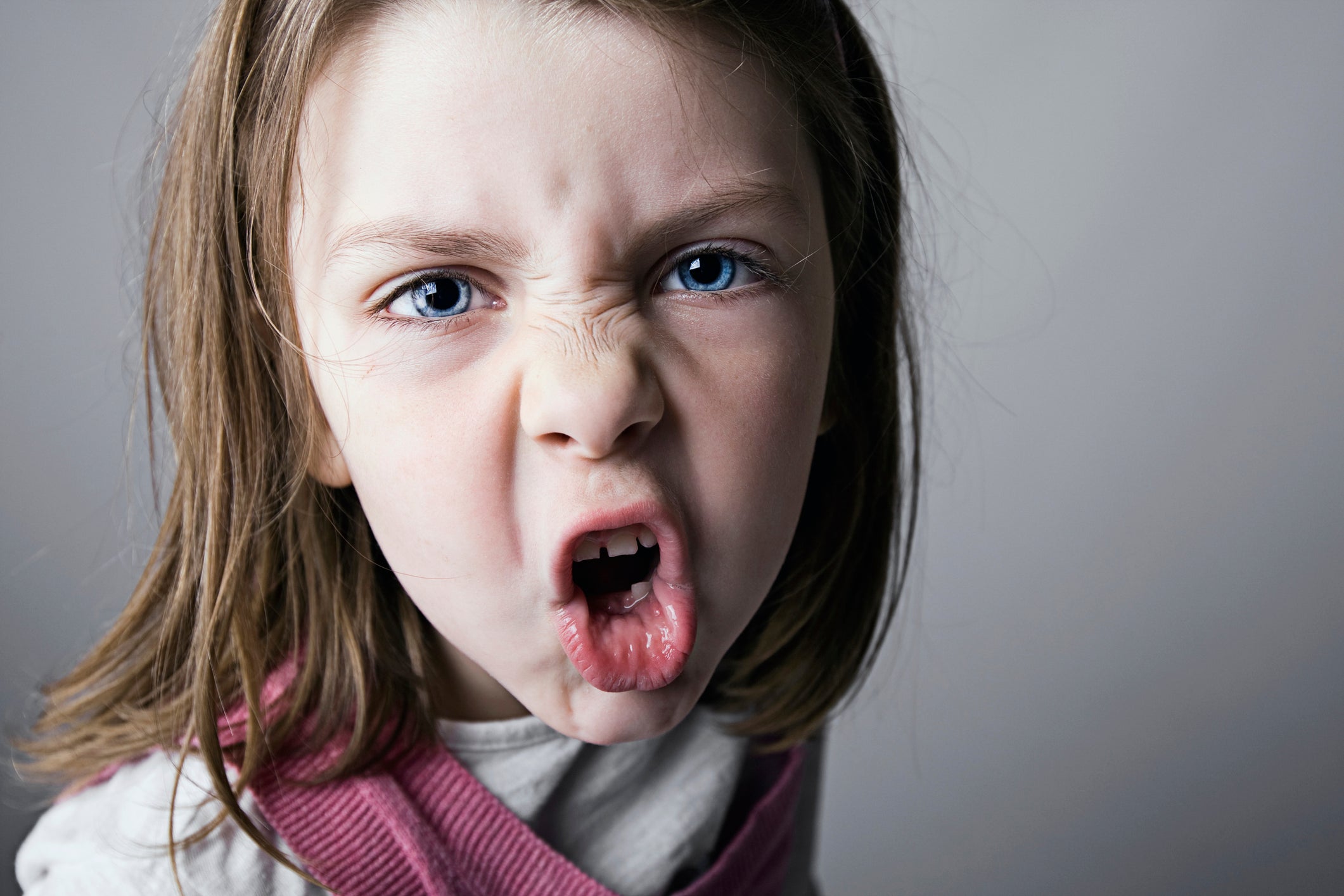
As both a mum and a therapist, I’ve seen it all. I’ve been on the receiving end of eye-rolls, sarcastic remarks, and shouting (my own child has ADHD ). I’ve also supported parent clients whose children have lashed out physically. And let me tell you, the shame that comes with it can feel almost as overwhelming as the behaviour itself. It’s something I’m sure some parents reading this have experienced, as well as those judgemental and even worried looks or comments from other adults. But you are not a bad parent, and these are not bad kids. Rudeness and ADHD (as well as other neurodivergent profiles) often go hand-in-hand. It is not a reflection of your child’s character, nor of your parenting . It stems from differences in impulse control and emotional regulation, and it can show up as a fight-or-flight response – sometimes in words, sometimes in actions, and sometimes in full-blown physical aggression. Understanding the ADHD brain Think of the brain’s amygdala as a yappy little Chihuahua – the guard dog of our nervous system. When it’s calm, things run smoothly. When it’s triggered, it barks loudly and constantly, scanning for danger and reacting fast to anything it perceives as a threat. For children with ADHD, that “Chihuahua” often barks more than usual since it’s hypersensitive. When activated, it limits access to the prefrontal cortex, the part of the brain responsible for regulating emotions and controlling impulses. In those moments, those skills simply aren’t available. So, rudeness or physical aggression can follow. This is not traditional defiance. This is a brain in full alert mode. There’s also another layer to consider: dopamine-seeking. The ADHD brain craves stimulation, positive or negative. Sometimes, children will create conflict simply to feel alert or engaged, and the quickest route can be through rudeness or confrontation. From the outside, this can look like deliberate mischief. But it isn’t, it’s biology. If your child with ADHD is rude or aggressive, a therapist shares her advice. When rudeness turns physical Physical aggression – hitting, kicking, throwing objects – can be frightening. In those moments, safety comes first. You cannot reason with a brain in survival mode. Your child is not trying to hurt you personally; their nervous system is overwhelmed. Here’s what I’ve found helps in these moments: Protect everyone in the room. Move siblings, objects, or yourself to a safe space. Use short, calm phrases: “I will not let you hurt me” or “We’re taking space.” Avoid lecturing or punishing in the moment, as it will escalate things. Focus on your own breathing and posture. A calm adult helps a child find calm again. The aftermath After an aggressive episode, the shame can feel crushing for both you and your child. Many parents worry they’ve “failed” or that they’ve raised a “bad” child. As a therapist, I hear this every day. But here’s the truth: frequent rudeness or aggression is a symptom, not a moral failing. It’s a signal that your child’s nervous system is overwhelmed, and that their executive functioning skills are still developing – and not accessible at that moment. Your child needs guidance, teaching, and support, not punishment. When calm returns, that’s the time for learning: Talk through feelings and behaviours. Notice early warning signs together (using scales or check-ins). Introduce safe ways to express anger and frustration. Repair relationships where needed (apologies, shared problem-solving). Prioritise connection – now more than ever. Consequences can have a place. Punishment does not. How to reduce both rudeness and physical aggression over time Make sure your child feels safe, connected, fed, and rested. Use scales or check-ins to help them recognise rising emotions. Practice calming strategies outside of stressful moments – physiological sighs, palm presses, or visualising a “happy place”. Ask questions in low-pressure ways. If I could offer one piece of advice to parents facing rudeness or aggression, it’s this: keep quiet and put the bat down. Meet rudeness with logic or dominance, and you fuel the fire. Wait for calm. Then teach the skills your child doesn’t yet have. Don’t punish them for skills they haven’t developed. It’s hard. It’s exhausting. It can stir up every difficult feeling you have as a parent. But it works. Gee Eltringham is a SEN psychotherapist and founder of the ADHD family membership tool, twigged. Related... 'Body Doubling' Could Be The Secret To Helping Kids With ADHD Focus On Revision Kids With ADHD And Autism Are Bringing 2 Key Issues To Therapy The Ways To Spot A Child Who May Be Struggling With Undiagnosed ADHD At School
Go to News Site