


 The Huffington Post
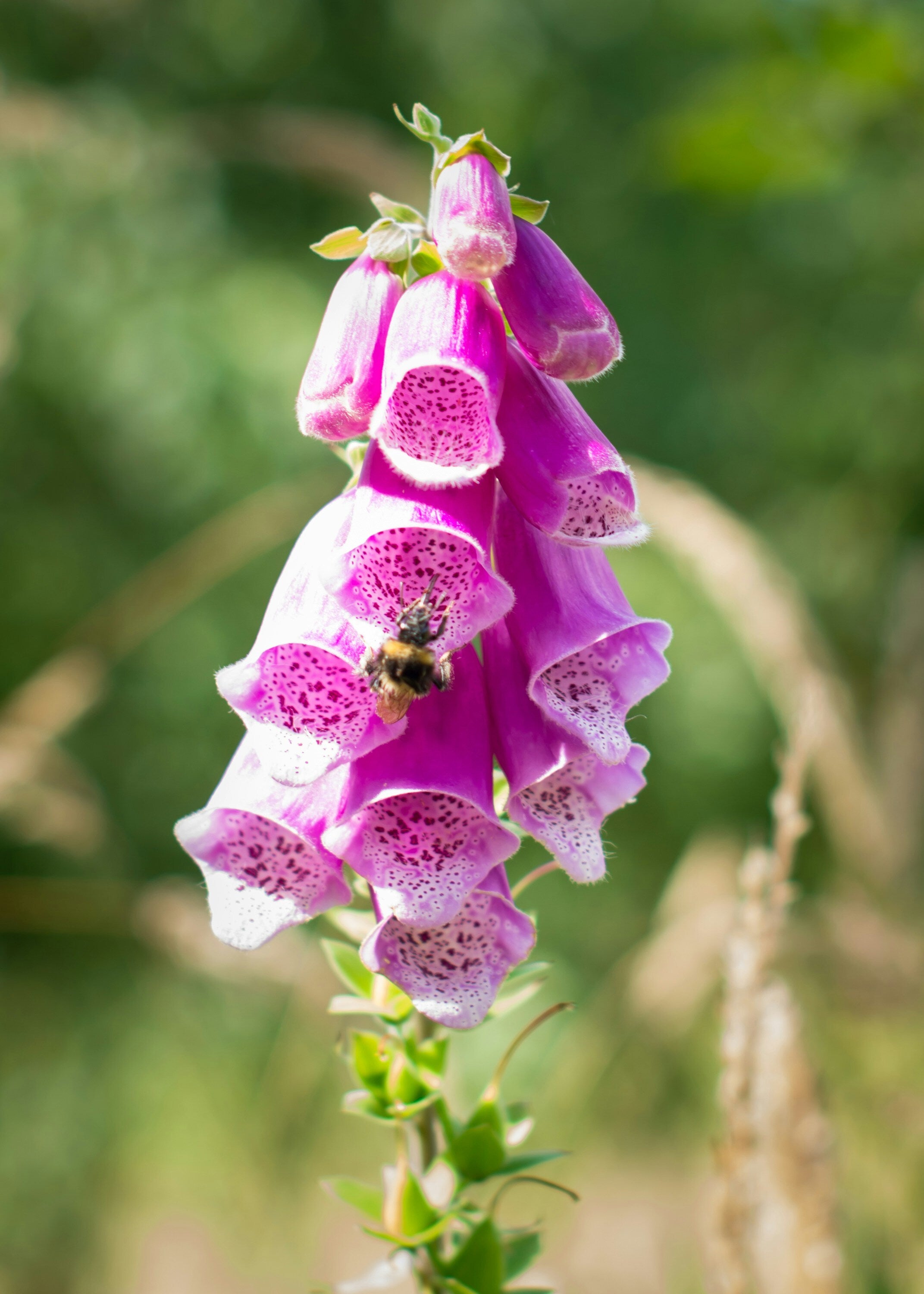
Attracting wildlife to your garden is one of the best ways you can help out the planet, control pests, and support struggling species. Speaking to HuffPost UK previously, Helen Bostock, a senior wildlife specialist at the Royal Horticultural Society , said: “Environments are more resilient and function better when there is both species and genetic diversity, helping combat challenges such as climate change, carbon capture and pollution.” There are many ways to do this, from making a little pond out of an old washing-up bowl to putting out water for hedgehogs . But wildflowers can help too, says Elise Harlock, a floral expert at Prestige Flowers . “Small changes can really help to create a thriving natural environment... By adding the right flowers to your garden, you can support biodiversity and make it look extra beautiful,” she said. Here are the best ones to get in the ground for a more buzzing backyard this summer: 1) Lavender Beloved by bees, butterflies, and hoverflies, those “single-layered, long petal flowers are easiest for insects to feed and pollinate from,” Harlock said. And because it’s such a favourite of so many insects, “you’ll see the flowers full of creatures all summer long”. Prefers: Sunny spots Flowers in: June-August Safety: Mildly toxic to dogs if ingested and can be toxic to cats. 2) Foxglove Lavender loves sunny spots, but if your garden is a little short on those, try foxglove instead. “Foxgloves thrive in shade, so you can grow them in almost any garden type,” Harlock told us. “Their colourful flowers and height are great for adding depth to a garden, but also act as safe, tubular and nectar-rich environments for insects.” Prefers: Shade Flowers in: June to September Safety: Very toxic to adults , children, and pets if ingested. Don’t plant in places where either kids or pets play. 3) Echinacea “These daisy-like flowers are excellent for butterflies and bees. The open and flat structure of the flower head makes them perfect pollen-heavy landing spots, whilst adding loads of bright colour to your flower beds,” the expert said. Even better: their seedheads make amazing food for birds once the flowers have died out. Prefers: Full sun Flowers in: July to late August Safety: Generally considered safe for pets and children, though some adults and children may have an extreme allergic reaction to the plant. 4) Sunflowers “Everyone knows sunflowers are great for bees, but few know why,” Harlock told us. “Their centres are bursting with nectar, which makes them a rich source for pollinators, so planting even one or two in your garden is guaranteed to attract plenty of bees.” However, they need a lot of sun (shocker), so make sure your garden has enough light before planting them. Prefers: Sunny spots Flowers in: July to September Safety: Non-toxic to cats, dogs, horses, and children. 5) Peonies “Bees and butterflies love the sweet scent of peonies, and they’re a really beautiful addition to any summer garden,” the flower expert said. Prefers: Full sun Flowers in: April to July Safety: Toxic to dogs, cats, and horses, and toxic to children if ingested. Related... Gardeners Urged To Put Washing Up Bowl On Lawns For Simple Reason UK Gardeners Warned To Check For Footprints On Their Lawn Forget The Pellets: The Natural Way To Stop Slugs Eating Your Hostas This Week
Go to News Site