


 Autocar
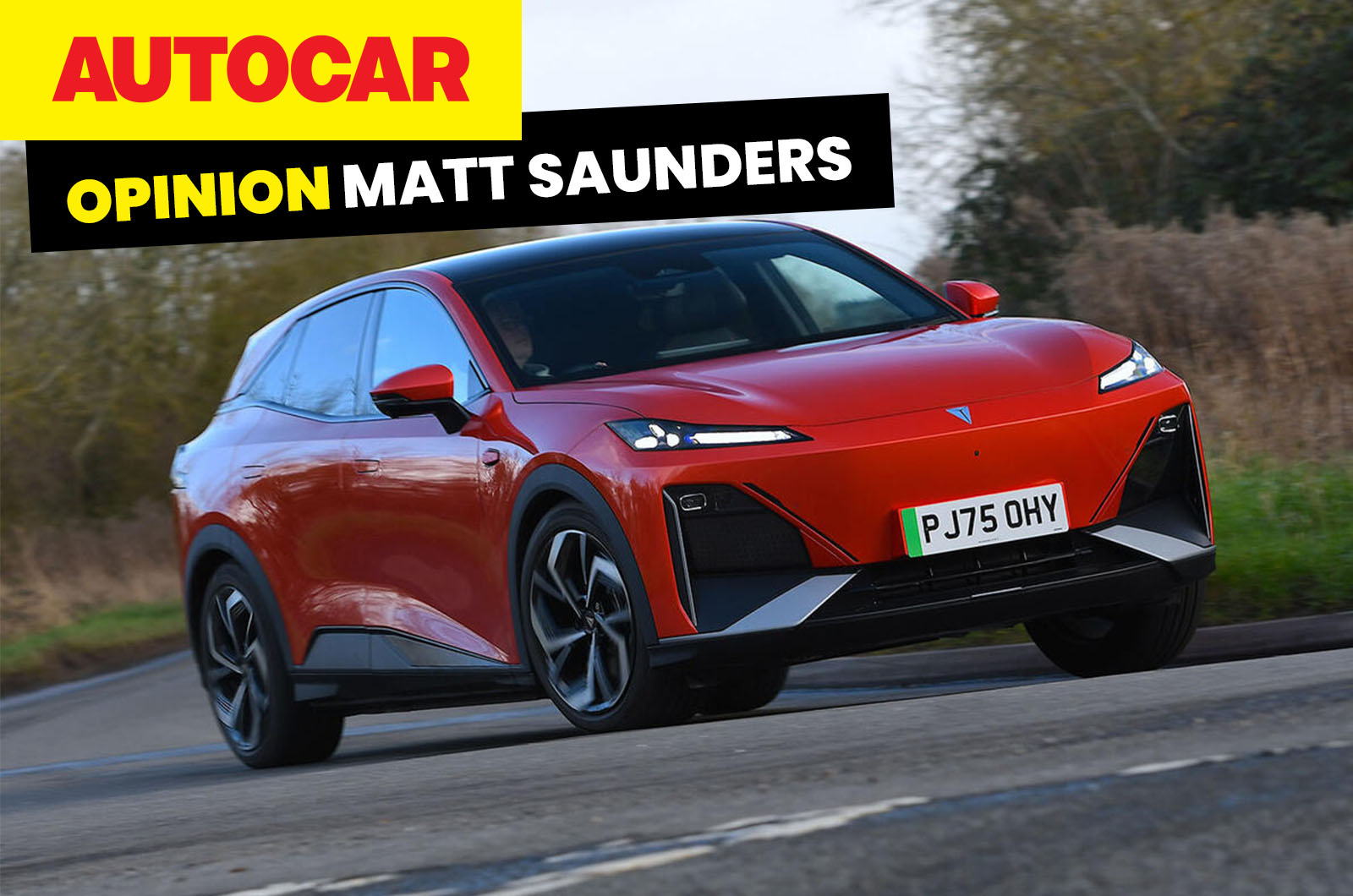
Of all cars, the new Changan shows ADAS needn't be overbearing – long may it continue The modern road tester - the one living in the world as it is, rather than the one they prefer to run away and hide in - writes a great deal about so-called advanced driver assistance systems ( ADAS ). At times over the past decade or so, it has felt like only our collective hatred of them has actually kept us going. We recently conducted a group test of five very modern family plug-in hybrid SUVs of various sizes written by yours truly. They had plenty of differentiation points, but probably the most important one of all was how effective, unintrusive and obedient their ADAS were, such was the impact they had on drivability. These systems have become such a defining part of the modern motoring experience - variously irritating, distracting, persistent, and very often wholly counterproductive and unhelpful - that few of us can have escaped their influence. A quick recap, then. Why do we have them at all? And where are they taking us? The UK adopted the EU's General Safety Regulation 2 ( GSR2 ), which came into effect fully in July 2024. This meant that all new cars (those finding their way into showrooms via normal type approval, at least, which means almost all of them) must have an intelligent speed assistance system that not only detects the posted speed limit but also gives the driver "dedicated, appropriate and effective feedback" when the limit is exceeded, and it must default to on with every vehicle start. Cars must also, among other things, have autonomous emergency braking, emergency lane keeping and driver attention warning systems that default to on in the same way and which "can only be switched off one at a time, by a sequence of actions", rather than by the simple, short jab of a button. That's the law. But evidently it leaves enough room for ADAS that drive you spare; systems so unintrusive and easy to neuter that you hardly know they're there; and just about everything in between. For manufacturers that think customers feel reassured by every little bleeping, wiggling intervention; those that think good systems are ones you can leave on and not notice until you really need them (well, duh?); and those that make it pretty plain that they're integrated under duress and are as easy to deactivate as can be got away with. The good news? That there's still room for a car to come along and surprise you in the right way. Changan's Deepal S07 did that to me only the other week: a Chinese-brand EV you might imagine would be one of the very worst offenders for bleeping and bonging you to distraction but was actually just the opposite. But if you want to know where this path is leading, with us drivers fastidiously belted and child-locked in, it's not actually the law you should look to. Instead, search 'Euro NCAP 2026 protocols' in Google and prepare to lose several hours digesting the latest safety testing regime and philosophy of the organisation that drives the development of vehicle safety technology harder than any other on the planet. That's what I've just done. In some respects I'm moderately reassured; in others I still worry. Euro NCAP's new testing regime, which comes into force this year, seems to put even more emphasis on driver and passenger monitoring which inevitably will lead to pretty irksome ADAS. Our next big business idea should probably be jumpers that look like they would fool an in-car camera into thinking you were wearing your seatbelt correctly, just for laughs, because it's exactly that kind of digital oversight we're now having to live with. More encouragingly, however, lane-keeping and speed monitoring system requirements do seem to be softening. Speeding alert systems will be able to use visual alerts and tactile pedal feedback rather than dreaded bings and bongs, for example, and there seems to be a lot more effort being put into ensuring default-on lane departure warning systems work in the background and in tune with the driver's inputs rather than against them. Could the darkest days of the maddening, distracting, 'actively safe' new car finally be behind us? It's a bold hope - but perhaps not a ridiculous one. Watch this space over the next 12 to 24 months, I'd say. And in the meantime, long live the off switch.
Go to News Site