


 Dawn.com
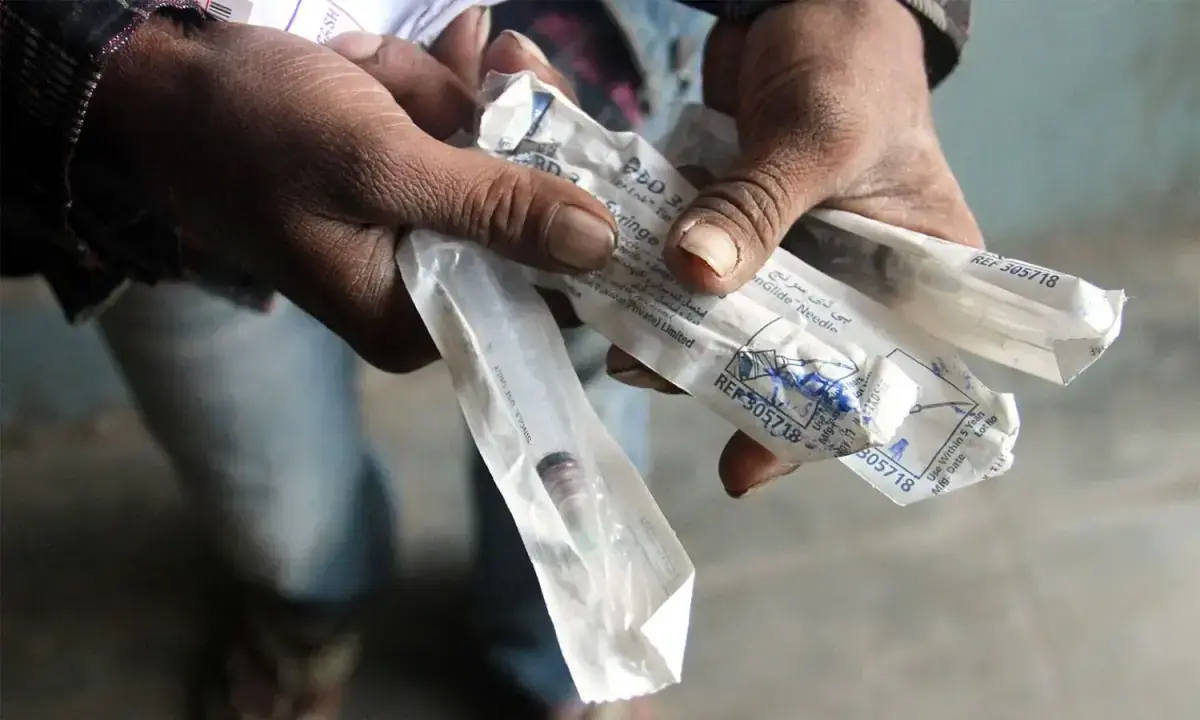
ISLAMABAD: Following reports of a possible visit by a team from the Global Fund (GF) to examine the rising number of HIV cases in Pakistan, the health ministry has tasked the Drug Regulatory Authority of Pakistan (Drap) and the Common Management Unit (CMU) with devising a mechanism to prevent HIV transmission, particularly through the reuse of syringes. Experts say the Global Fund will likely prioritise placing technical professionals, rather than bureaucrats, in charge of disease control programmes. More than 300 HIV cases among children were reported in Taunsa, reportedly due to the reuse of syringes. Additionally, Islamabad recorded at least 618 new HIV cases between January 2025 and March 2026. Health ministry asks Drap, CMU to devise mechanism for curbing reuse of syringes after spike in cases Last week, former special assistant to the prime minister on health, Dr Zafar Mirza, had highlighted the reuse of contaminated syringes and inadequate blood screening before transfusions as major contributors to the spread of the disease. NA panel takes notice Meanwhile, the National Assembly’s Standing Committee on Health, chaired by Dr Mahesh Kumar Malani, has taken notice of the issue and sought a detailed briefing on HIV cases. A senior health ministry official, speaking on condition of anonymity, said that authorities had been informed that a GF team is expected to visit Pakistan soon to review the situation. It is noteworthy that the Global Fund has invested over $1 billion in Pakistan over the past two decades to combat HIV, tuberculosis, and malaria. “Although we have not received official confirmation of the team’s arrival, we have been told to expect it in the first half of May, as travel schedules have become unpredictable due to tensions in the Middle East,” the official said, adding that such teams usually arrive from Geneva. Another health ministry official alleged that about a decade ago, HIV, tuberculosis, and malaria programmes were handled separately by technical experts. “Since the Global Fund is the main donor for all three programmes, they were merged under the CMU. After that, bureaucrats took control, and many focused more on perks and privileges than on disease control,” he claimed. Regarding funding, the official said that the GF provides grants in three-year cycles, with approximately $250 million allocated for the three diseases. “For HIV, funding is split equally between the government and the private sector,” he added. In June last year, the Global Fund said an audit by its Inspector General found slow progress and setbacks in tackling HIV and other infectious diseases in Pakistan. The audit cited weak governance, limited strategic direction, insufficient domestic financing, and frequent leadership changes within the Ministry of Health as key challenges. Syringes replaced When contacted, the health ministry spokesperson, Sajid Shah, said that HIV case numbers in Islamabad were misreported by some media, adding that the ministry was taking steps to control the disease. He stated that 2cc and 5cc syringes had already been banned and replaced with auto-disable syringes. However, 10cc syringes, still available in the market, can be reused. “The ministry has directed Drap and the CMU to investigate whether 10cc syringes are contributing to the spread of HIV. Measures will also be taken to ban them if necessary,” he said. Shah added that Health Minister Syed Mustafa Kamal is treating the matter with urgency and is committed to finding effective solutions. Published in Dawn, April 27th, 2026
Go to News Site