


 Ruptly
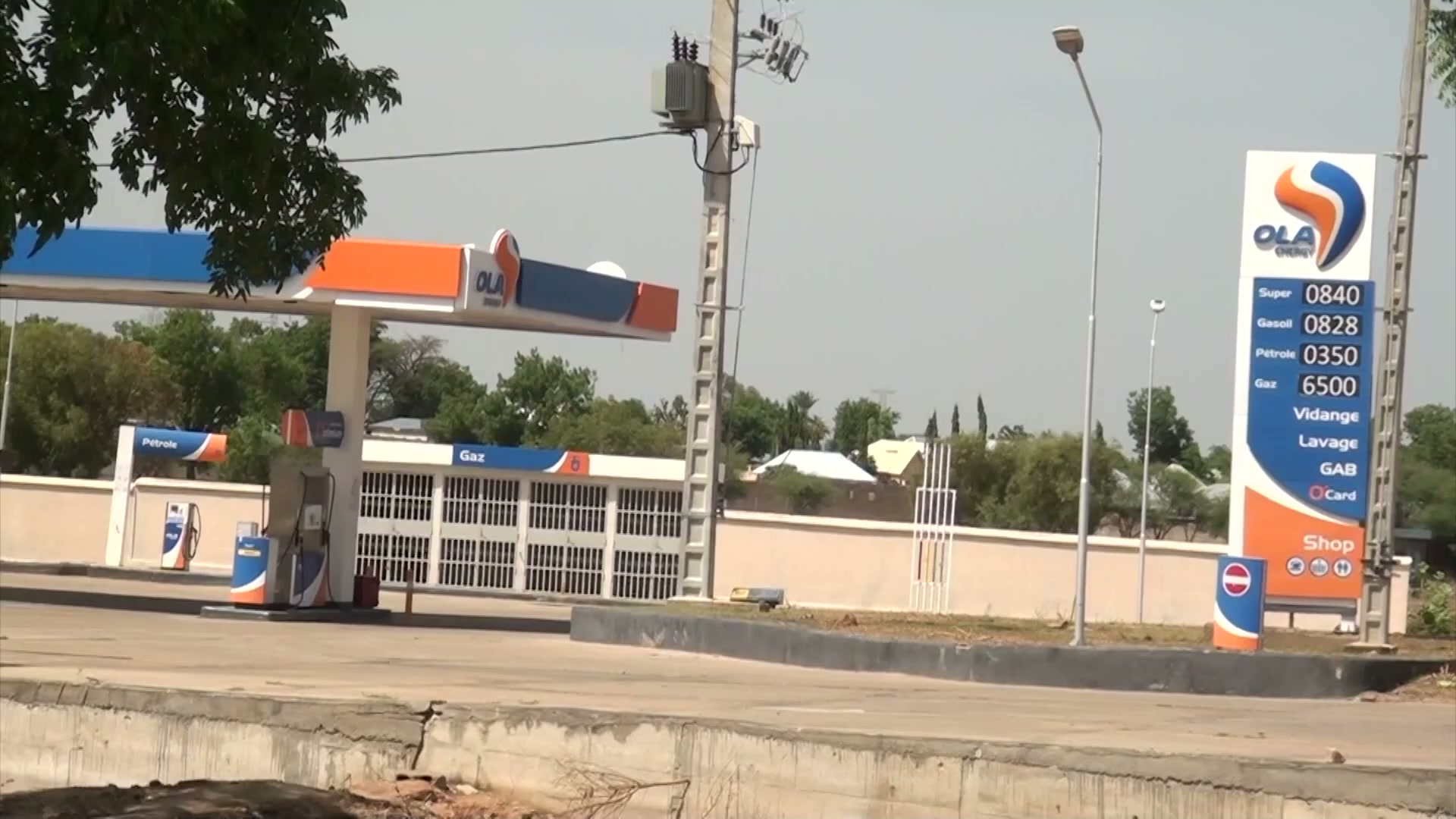
"Northern Cameroon is facing a deepening fuel crisis as shortages, rising prices and the emergence of a black market continue to disrupt transport and daily life across the region. In the city of Garoua, petrol stations have reportedly run dry and long queues have formed at the few remaining fuel points still in operation. As supplies tighten, a parallel market has emerged for smuggled fuel known locally as ‘Zouazoua’, mainly sourced from neighbouring Nigeria. Motorbike taxis, which form the backbone of urban transport in northern Cameroon, have been particularly affected. “Before, with 2,000 francs’ worth of fuel, we could work all day. Today, we have to spend up to 6,000 francs just to keep the same pace,” said Adamou Abdou, a motorbike taxi driver in Garoua. "This significantly reduces our income and makes it increasingly difficult to provide for our families." Another resident said transport costs have doubled or even tripled in some cases, forcing many people to reduce travel or abandon vehicles altogether. “Many motorbikes are off the road, and the streets are gradually emptying,” said Youssouf Mal Oumarou Yaya, a local resident. "This situation is severely hampering economic activity in the town." Street sellers of smuggled fuel also say they are under pressure as prices surge, with one vendor reporting that a litre of 'Zouazoua' now costs around 750 CFA francs, a huge increase on the price several months ago. “A jerrycan that used to cost 8,000 francs is now sold for 22,000,” said fuel seller Oubaaba. “We no longer work to get ahead, but simply to survive.” The situation reflects broader volatility in the global oil system, where disruptions in key transit routes — including around the Strait of Hormuz, through which around 20 percent of global oil flows — continue to affect prices and supply chains far beyond the Middle East."
Go to News Site