


 Business Recorder
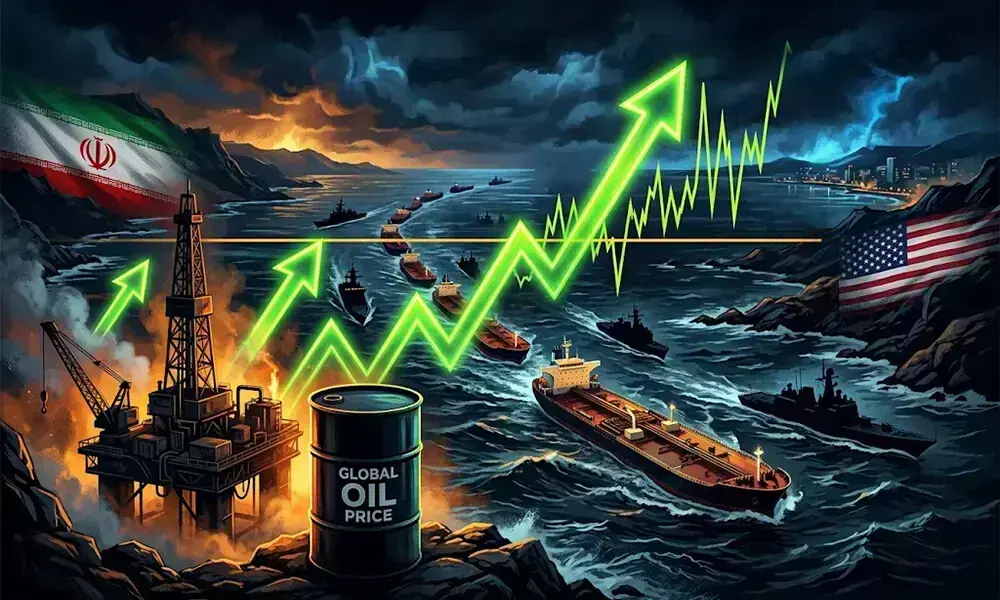
NEW YORK: Oil prices closed up nearly 3 percent on Tuesday as persistent worries about supply constraints from the closed Strait of Hormuz outweighed concerns about the United Arab Emirates’ decision to leave OPEC and the wider OPEC+ group. Brent futures for June ended up USD3.03 or 2.8 percent at USD111.26 a barrel, marking its seventh consecutive day of gains. US West Texas Intermediate (WTI) futures for June settled up USD3.56 or 3.7 percent at USD99.93 a barrel, after briefly trading above USD100 earlier in the session for the first time since April 13. Prices trimmed some of the advances after the United Arab Emirates, the fourth-largest producer in OPEC+, said on Tuesday it would exit the group on May 1, dealing a blow to the oil-exporting groups and their de facto leader, Saudi Arabia. “In normal times, this would have been very bearish news for the oil market and sparked a sizable selloff,” said John Kilduff, partner at Again Capital. READ MORE: Oil prices rise 3% as Iran war stand-off persists He estimated the UAE could quickly add between 1 million and 1.5 million barrels per day of output. “But with the Strait of Hormuz effectively closed, there’s nowhere for that supply to go … so we’re likely to see oil prices continue their slow march higher,” he added. US President Donald Trump was unhappy with the latest Iranian proposal to end the war, a US official said on Monday, as Iranian sources disclosed that the proposal would avoid addressing the nuclear programme until hostilities cease and Gulf shipping disputes are resolved. Trump’s displeasure with the offer leaves the conflict deadlocked, with Iran shutting shipping flows through the strait, a conduit for about 20% of global oil and liquefied natural gas supplies, and the US retaining its blockade of Iranian ports. “With peace talks stalled and no clear path to reopening the Strait of Hormuz, traders are factoring in a prolonged disruption to a critical artery of global supply,” said Rystad Energy analyst Jorge Leon.
Go to News Site