


 Business Recorder
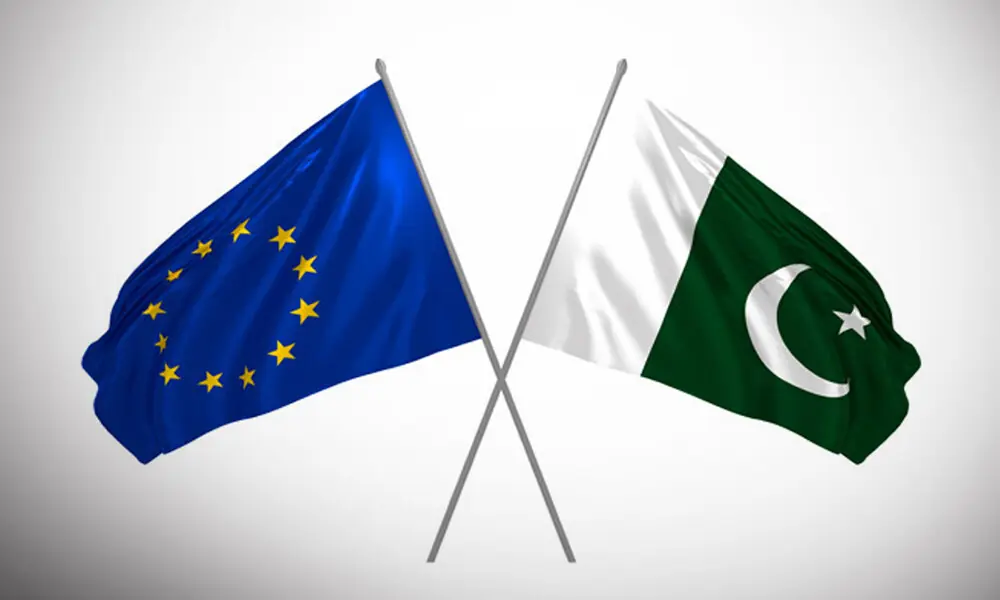
ISLAMABAD: Pakistan and the European Union (EU) on Tuesday formally launched the EU-Pakistan Business Network, a new platform designed to shift bilateral economic engagement from dialogue to deal-making by connecting European investors with Pakistan’s policy and regulatory framework. Speaking at the inaugural session of the first-ever high-level EU-Pakistan Business Forum, officials said the network would serve as a centralised platform. They said that it will enable European companies to engage more effectively with government ministries, regulators and local businesses while addressing long-standing issues of policy consistency, coordination and market access. READ MORE: Investment, trade opportunities: first high-level EU–Pakistan Business Forum to be launched The platform – the EU-Pakistan Business Network – is expected to boost new investment flows and strengthen existing commercial links. Awais bin Naseem, chairman of the EU-Pakistan Business Network and managing director of Tetra Pak Pakistan, said the body had been registered as a Section 42 company with the Securities and Exchange Commission of Pakistan (SECP). He described the network as the “definitive and unified voice” of European business in Pakistan, providing a structured platform for sustained dialogue between investors and public sector stakeholders. Initially comprising around 20 companies, he said the network is rapidly expanding, aiming to represent a significant portion of more than 500 European firms operating in the country. From the EU side, Petri (Petrus) Ustubs, director for Asia, Central Asia and the Pacific at the European Commission’s Directorate-General for International Partnerships, called the launch a milestone in EU-Pakistan relations. He noted that the EU remains Pakistan’s largest export destination and that Pakistan continues to benefit from the GSP+ trade scheme, but stressed that both sides should now move beyond preferential trade towards a partnership focused on investment, innovation and industrial collaboration. Ustubs said the EU’s Global Gateway strategy could support this transition by providing financial tools such as loans, guarantees and blended finance to de-risk private sector investments and promote sustainable growth in Pakistan. “The emphasis is on enabling long-term economic engagement rather than relying solely on trade preferences,” he added. Representing the Special Investment Facilitation Council (SIFC), Dr Jahanzeb Khan, secretary to the Apex Committee, described the initiative as a functional bridge to turn dialogue into tangible economic outcomes. He said Pakistan’s macroeconomic stabilisation had improved the investment climate, particularly regarding profit repatriation, dividend payments and foreign exchange movement. Khan said the SIFC is working to improve policy predictability, streamline regulatory procedures and ensure coordinated government support for investors. Copyright Business Recorder, 2026
Go to News Site