


 Business Recorder
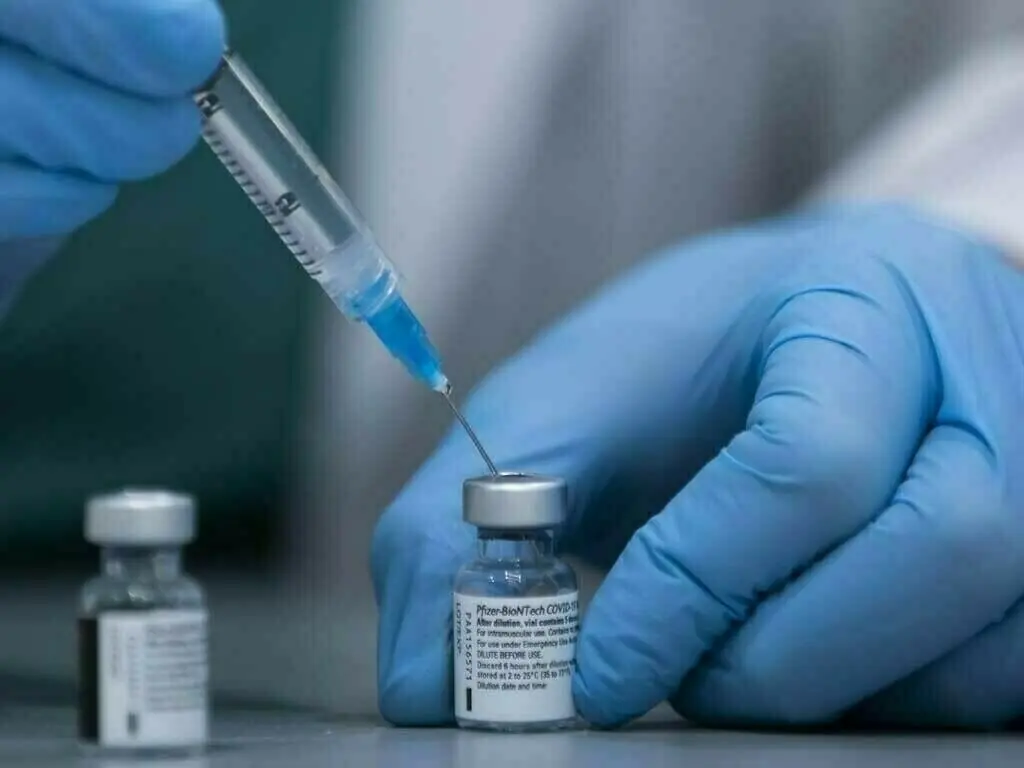
The federal cabinet approved on Wednesday a national policy on vaccine production in Pakistan, aiming to reduce reliance on imported vaccines, cut import bill, and make the country self-sufficient in the immunisation production. According to a press statement issued by the Prime Minister’s Office (PMO), the federal cabinet meeting, chaired by Prime Minister Shehbaz Sharif, highlighted “The objective of the policy is to reduce reliance on imports of vaccines, save valuable foreign exchange, and make the country self-sufficient in vaccine production”. The meeting also approved the formation of a special committee under the supervision of the Drug Regulatory Authority of Pakistan (DRAP) to determine pricing and ensure quality standards. Also read: Govt said to have approved prices for 35 life-saving advanced drugs after two-year delay The country currently receives vaccines at concessional rates through global partners, including Gavi, World Health Organisation (WHO), United Nations International Children’s Emergency Fund (UNICEF), and the Bill & Melinda Gates Foundation. Pakistan government currently bears around 51% of the cost of vaccine procurement –estimated at $400 million to $500 million a year – while 49% is covered by international partners. However, this support will gradually decline, and by 2030-31, Pakistan will be required to fully finance vaccine procurement on its own, said Federal Health Minister Syed Mustafa Kamal the other day. Pakistan Pharmaceutical Manufacturers Association (PPMA) former chairman Dr Kaiser Waheed and Dow Institute of Life Sciences (DILS) director Dr Izhar Hussain said the success of the national policy would depend whether the government had given surety in the policy to buy vaccines from local manufacturers, as shelf life of the booster doses remain, especially vaccines for children. As per them, it is the government that pays for vaccines and make them available to people free of cost in most of the cases. “There is section of the people who do not want to pay for vaccines as they remain unaware about their importance,” Dr Waheed said. Earlier, the Minister Kamal stepped up collaboration with global partners, including Saudi Arabia and Indonesia, to establish a local vaccine manufacturing plant in the country. The move was aimed at averting a potential medical and financial crisis by achieving self-sufficiency in vaccine production as the supply of subsidised booster doses to the country from international partners comes to an end by 2031.
Go to News Site