


 GB News
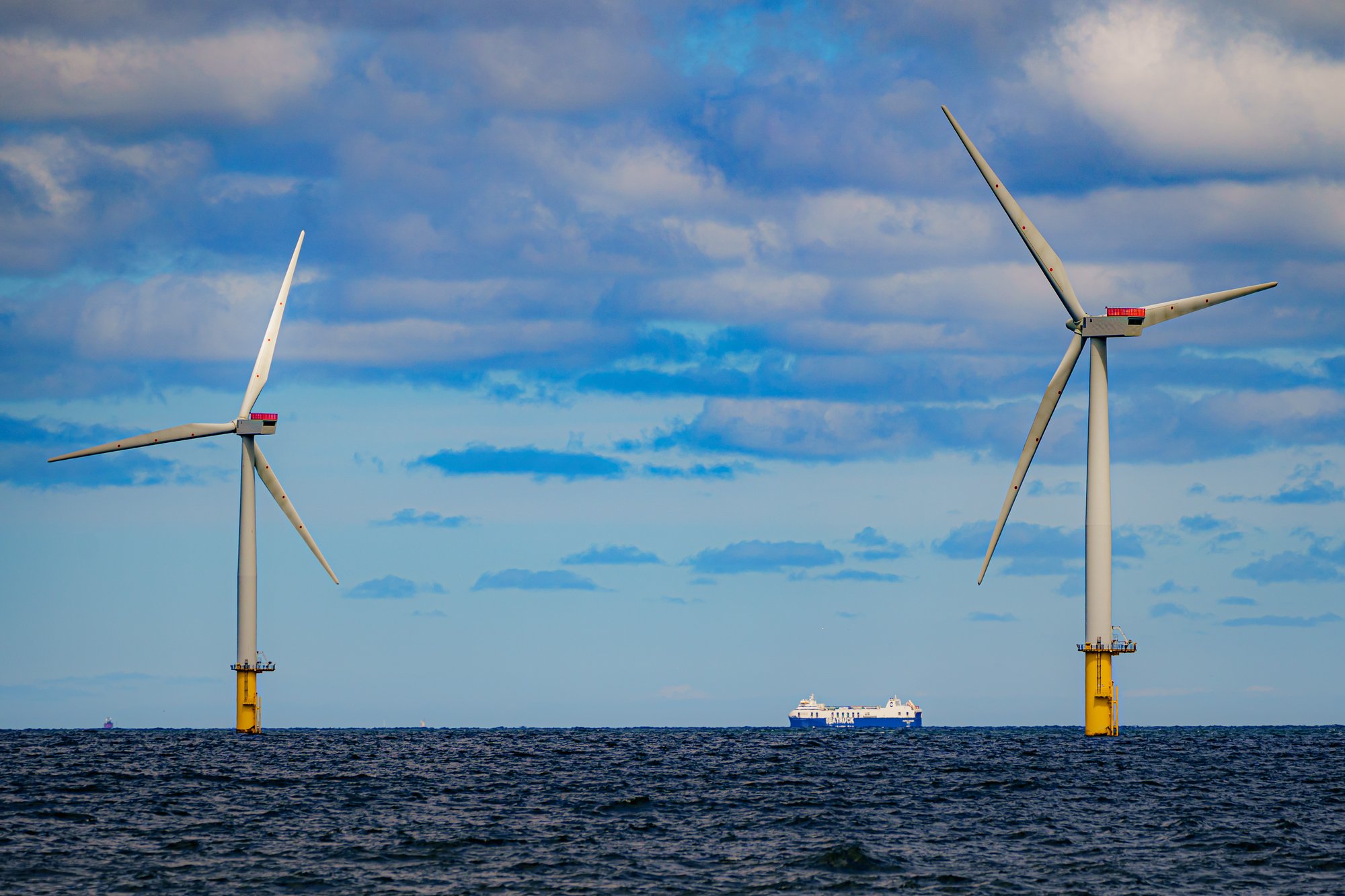
Offshore wind farms could be targeted by drones and cable sabotage, with reports of “reconnaissance” activities already taking place in the North Sea, experts have warned. The UK is only in the “foothills” of thinking about the national security risks around the offshore wind sector and low carbon technology, from cyber and physical attacks to reliance on Chinese technology, analysts said. There have been no major incidents of sabotage in the North Sea, where oil and gas infrastructure is also at risk of being targeted. But measures are needed to ensure that the growing energy sector in the North Sea is resilient to security threats. TRENDING Stories Videos Your Say These could include a single authority for reporting issues and performance standards that would require firms to stockpile kits and be able to carry out repairs rapidly, the experts suggested. The comments came following a roundtable event convened by the Royal United Services Institute (RUSI) and the European Initiative for Energy Security (EIES), attended by Ministry of Defence and Energy Department officials, energy company executives and security providers. Dan Marks, research fellow in energy security at RUSI, said the North Sea is not currently facing the kind of sabotage seen in the Baltic, where pipelines and cables have been targeted. But he said: “There have been reports from industry associations and companies of nuisance things, unexplained drones, where we don’t know where they’ve come from, they’re flying around, causing disruption, and ships loitering. “At the moment, it’s concerns more about reconnaissance-shaping activities, ships that are – fairly clearly or otherwise – mapping out critical infrastructure, subsea infrastructure and may pose a risk. “You don’t know what they’ve been doing, you don’t know what they’ve put out into the water.” The war in Ukraine has highlighted the vulnerability of energy infrastructure, while drones are now being manufactured at a “massive scale”, making them relatively cheap and opening up the possibility of attacks by non-state actors, and an increasing range of targets, Mr Marks said. He suggested there should be a Government authority responsible for monitoring, gathering reports on what was going on and escalating the situation where needed, while performance standards could require companies to be able to make repairs within a set timeframe. LATEST DEVELOPMENTS: UK borrowing costs hit highest level since 1998 as Middle East tensions rattle markets Pension overhaul confirmed as Rachel Reeves wins power to force funds to invest in UK University wins record £585k legal challenge amid freedom of speech row He also said much more could be done on spotting drones, and using that information, and checking subsea infrastructure and other assets. “We’re not actually at the point where we’re really having that discussion,” he warned. He also said the offshore oil and gas industry was having to grapple with security issues, and faced a “real risk to life” with thousands of people working offshore on platforms. He added that one of the benefits of a wind-heavy system is that they are designed to work when the wind is not blowing, so the grid would not collapse if a cable were cut. Jess Ralston, head of energy for the Energy and Climate Intelligence Unit think tank, also said the current energy system had risks, with fossil fuel price spikes as a result of conflicts in the past few years pushing up the costs of power and other goods. “There is potential for the Government to put in place strategies, work with Europe, work with Nato, work with the private sector in the UK and abroad to overcome those risks, in a way you just can’t with fossil fuels because they’re so universal and so volatile. “The current system also has lots of risks and it’s important we remember that renewables are a way out of those current risks, they just need managing in their own way,” she said. Michael Collins, director of low-carbon energy research at analysts Energy Intelligence, said: “We are really only in the foothills of starting to think about exactly what the national security risks look like around the offshore wind sector, and indeed the low-carbon economy more broadly.” Those risks include threats to the operations of sites, as well as economic and geopolitical issues, he said. And without a holistic view of where national security risks lie, there is a danger “we walk from one set of dependencies around fossil fuel imports into another set of dependencies around reliance on Chinese, in particular, low carbon technology”, he warned. Our Standards: The GB News Editorial Charter
Go to News Site