


 The Huffington Post
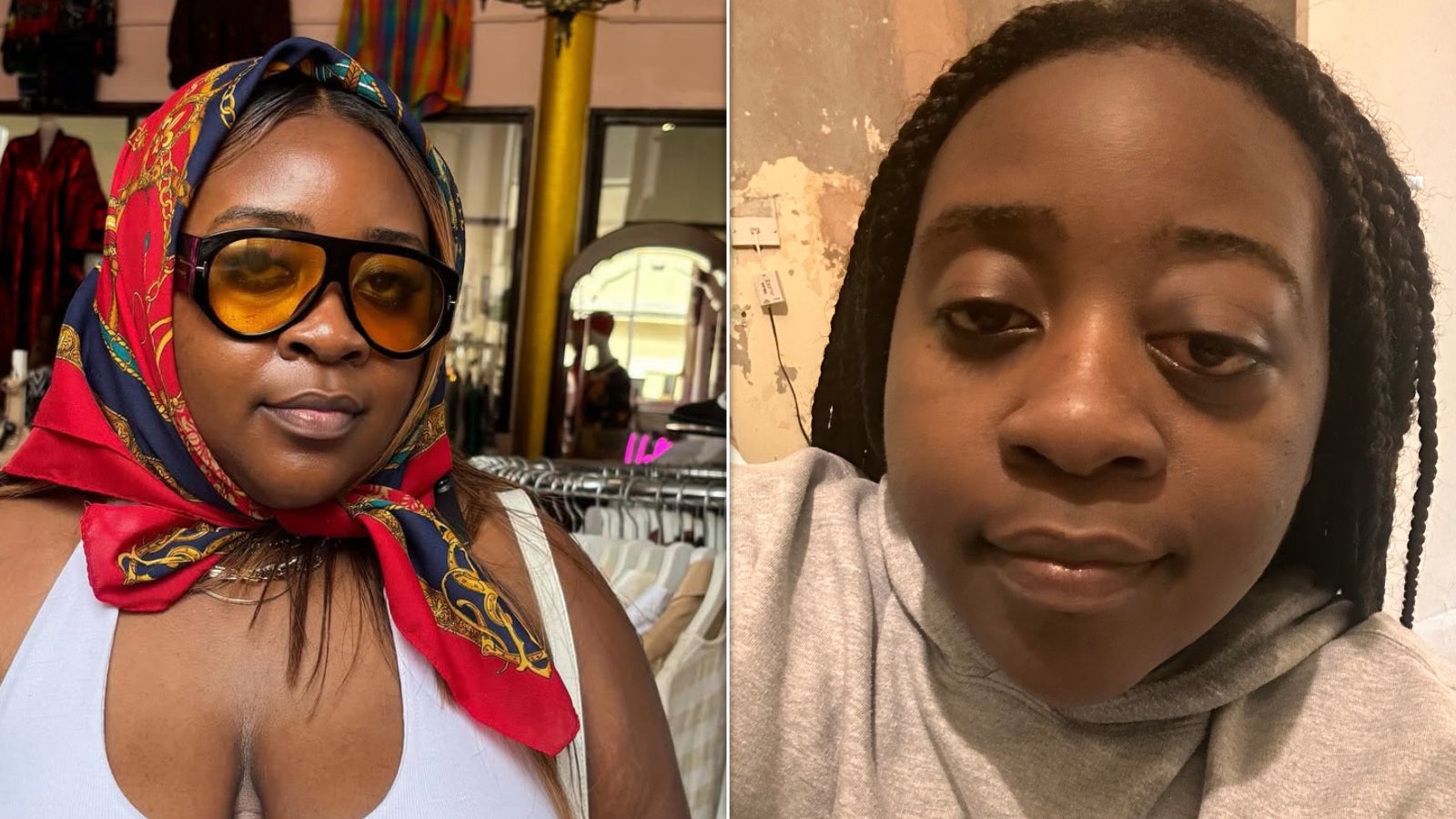
Black women need to feel empowered to talk about their symptoms, and hospitals need to be actively working to hear and understand Black women. You know your body better than anyone – but what happens when no one listens? Welcome to Ms Diagnosed : a HuffPost UK series uncovering the reality of medical gaslighting. With new stats showing that 8 in 10 of women have felt unheard by medical professionals , we’re sharing the stories of seven whose lives were nearly lost to the gap between their symptoms and a system that refused to listen. As the UK introduces Jess’s Rule – a new mandate for GPs to ‘rethink’ after a third visit – we’re exploring why the medical system is still failing women and how we can start to fix it. “There’s something going on with my eye,” I told the A&E doctor firmly. I had a large bulge in my eye that was rapidly growing. In fact, my eye had pretty much come out of its socket at this point, and I was in agony. I’d previously been told by a GP that it was an infected stye, so I told the A&E doctor the same thing and said I was worried about what looked like bruising. The A&E doctor said he couldn’t see any bruising on my eye, but he Googled ‘infected stye’. All the pictures that came up were of white people. “If you did have any bruising, this is what it would look like,” he said, gesturing to the screen. I couldn’t understand what I was hearing. “I don’t bruise like that,” I eventually replied. This is the reality of being a Black woman in the UK. I had to fight, every step of the way, to get my eventual diagnosis. If I hadn’t, I may not have lived – because the bulge in my eye turned out to be a symptom of cancer. I had acute myeloid leukaemia (AML), and my eye symptoms were due to a tumour growing rapidly, right next to my brain, and pushing my eye further and further out. I first saw the bulge in my eye in early November 2022. I went straight to A&E – but at this point, I was just being cautious. I assumed it was inflammation. When I went to A&E that first time, the doctor studied me and wasn’t alarmed. He said he thought it was a stye. I’d never had a stye and didn’t know anything about them; it was my friend at the time who was sceptical, and who said: “That’s not what a stye looks like”. So I kept investigating it. A few days later, I went to Specsavers. They gave me a scan – but I later learned this wouldn’t have gone anywhere near far enough to be able to detect the tumour. I would have needed a CT scan for that, because the tumour was right next to my brain. They gave me some eye drops, saying my eye was dry. “Nothing’s behind it; we can’t see any inflammation,” they said. But I knew they couldn’t be right. The bulge was growing by the day. My family and my friend were all concerned, too; and my mum helped me get a GP appointment shortly after. The GP told me that, since A&E hadn’t picked anything up, she was going to assume I was OK. She was concerned, though, so she did ask a colleague to come in and take a look, who said they thought it was an infected stye. They told me to come back if it got any worse, and they took a swab of my eye and sent it off for analysis. (I later got a text saying everything was fine; but by that point, I’d already had my leukaemia diagnosis.) t wasn’t until they put me in my hospital room, and I saw the name Mphango Simwaka in front of the bed, that my diagnosis really hit me. Shortly after that, the pain in my eye started to ramp up. I wasn’t able to work; I had to sit in darkness a lot of the time. If I was on Zoom, I’d have to wear sunglasses, or it would trigger an unbearable strain in my eye. When this happened, I’d have to sit and wait for the pain to cool down. I’m also very sensory, so if I ever touched the eye, the feeling was excruciating; it sent shudders through my body. The only way I could deal with it was by pretending it wasn’t there whenever it wasn’t hurting. By the time I went to A&E again, when the doctor showed me pictures of white people, I was in a great deal of pain. I begged him for painkillers, telling him Ibuprofen just wasn’t cutting it, and that I was walking around in sunglasses because my eye was so light-sensitive. He told me they ‘don’t really prescribe painkillers’. I had to bring my friend into the room with me for moral support, because I felt like I was going mad at this point. But there was no urgency from anyone at A&E – and after that, despite the pain I was in and the extent of the bulging in my eye, I was ready to give up. I moved to London from Bradford just after that appointment, in mid-November. Some friends drove me down; there was no way I could have taken public transport with my eye the way it was. Once I arrived in London, my friends pleaded with me to try A&E one more time. Eventually, I said yes; but I didn’t think I’d get anywhere. As soon as I saw a nurse and took my sunglasses off, though, the nurse said, “Why didn’t you come to us sooner?!”. At last, I was taken seriously. They pumped me full of antihistamines, trying everything, and took a blood test. It was the first blood test I’d had since the bulge in my eye appeared, and it showed that my white blood cell count was off. That triggered them to send me to Moorfields Eye Hospital at St. George’s Hospital. They started doing a tonne of tests, and I received my eventual diagnosis on 23rd November 2022. It wasn’t until they put me in my hospital room, and I saw the name Mphango Simwaka in front of the bed, that my diagnosis really hit me. I’ve seen my name in so many contexts throughout my life that made me feel proud, like being President of my Students’ Union; but when I saw my name on that hospital bed, the fact that I had cancer really sank in. I cried all through that night. My care throughout my treatment was excellent. I had radiotherapy (my tumour was too close to my brain for them to operate), followed by chemotherapy, followed by maintenance chemotherapy. I got my ‘No Evidence of Disease’ (NED) result a month after my initial round of chemo, and I’m still in NED today. But I was misdiagnosed four times; and I’m just fortunate that I was able to keep pushing. Because, as a Black woman, I knew I’d have no choice but to save myself. When I think back to how I was sent away again and again by healthcare professionals, it all feels so frustrating, because we’re talking about the same things over and over again. In 2022 – the year I was repeatedly misdiagnosed – a study found that 65% of Black people said they’d been discriminated against by healthcare professionals because of their ethnicity . It’s unsurprising, then, that women of colour are twice as likely to delay speaking to a medical professional due to embarrassment or lack of confidence when discussing their symptoms (my experience of being shown pictures of white patients jumps to mind); which is just one potential reason for why Black women are more likely to be diagnosed with late-stage cancer in England . Black women need to feel empowered to talk about their symptoms, and hospitals need to be actively working to hear and understand Black women. Because right now, Black women are being failed by our healthcare system. But I’m at a point where I don’t want to just endlessly talk about the ways in which we’re being failed. Talking about it just isn’t doing enough. We need to see some governance. We need to see some action. We need to see some investment in grassroots organisations that are actually doing something – like Black Women Rising , for example, which supports women of colour affected by cancer and which challenges health inequalities. We need to see movement and change, and not just an everlasting flawed system that we’re constantly fighting against. Because if all we do is talk, then we’re just putting a verbal bandaid on a real, systematic wound that’s just not working. Learn more about Black Women Rising: Black Women Rising was founded by award-winning community champion Leanne Pero MBE, following her breast cancer diagnosis at age 30, and supports women of colour through every step of their cancer diagnosis. Find out more here . Related... Black Maternal Health Can't Wait Any Longer – Here's What Needs To Change 7 Conditions A Dermatologist Says Even Experts Miss On Skin Of Colour Women Are 50% More Likely To Be Misdiagnosed – Here’s How To Advocate For Yourself
Go to News Site