


 The Huffington Post
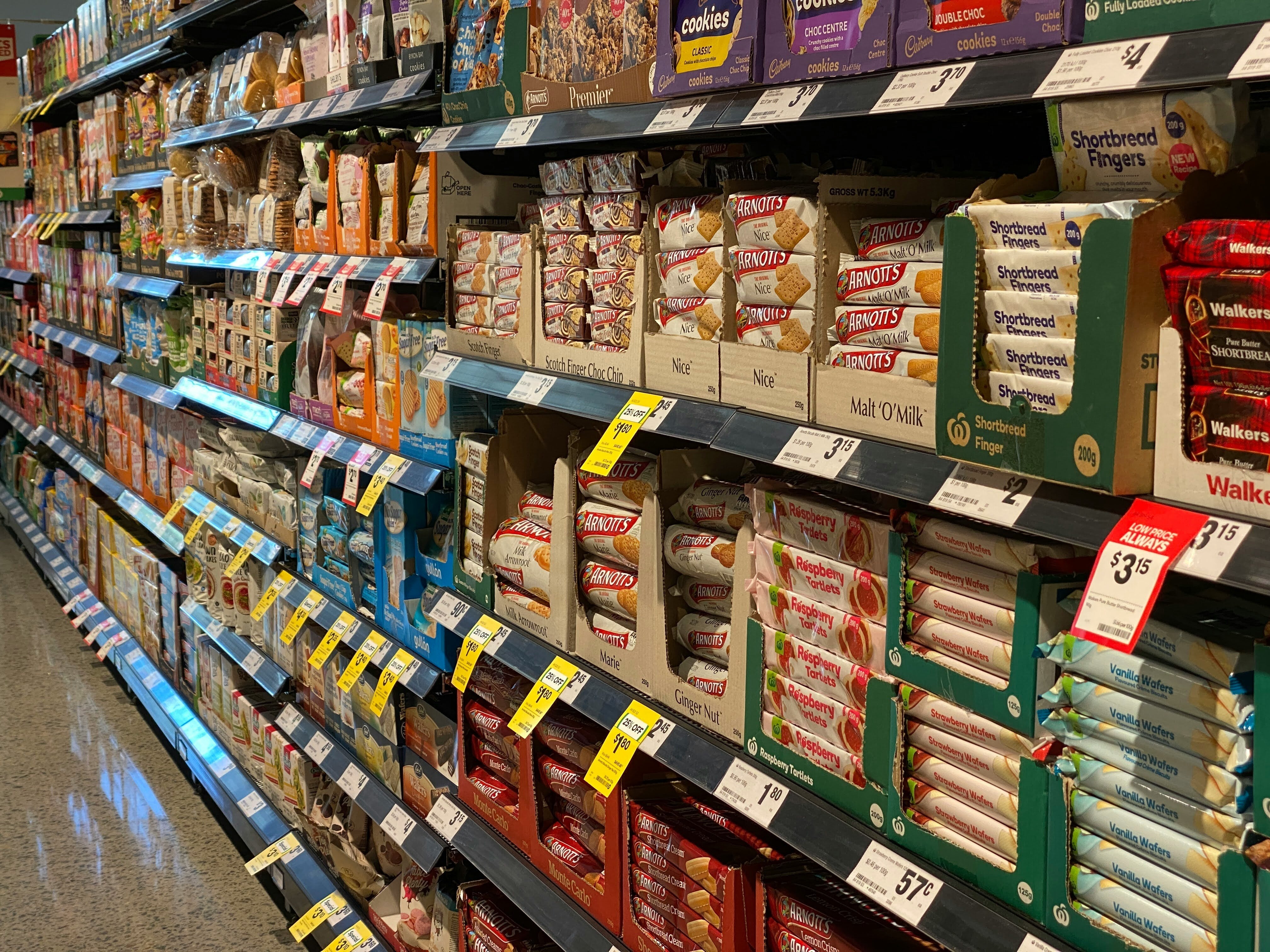
Recently, the Bank of England suggested that UK supermarkets may bring in something called “ dynamic ” and “personalised” pricing. It noted some sectors are experimenting with technology “that could enable dynamic pricing in the future, such as electronic shelf labels in supermarkets”. But when HuffPost UK asked the British Retail Consortium , which represents multiple UK supermarkets, whether this is likely, its director of food and sustainability, Andrew Opie, said: “Supermarkets do not use, and have no plan to use, dynamic or surge pricing in their stores.” He added that digital pricing displays, which some supermarkets use, allow retailers to update and check thousands of prices “in an effective way, so they can continue to offer great value for customers”. But what is dynamic and personalised pricing, why do some think it’s coming soon, and why do others call worries of hourly price surges a “fantasy”? What is dynamic pricing? Dynamic pricing involves “frequent, real-time adjustments in response to demand and supply,” the Bank of England said. It’s been used for years in hospitality and air travel. It’s why hotels have an “off-season”; rooms are usually cheaper when fewer people are on holiday, and can climb rapidly during peak season and large events like the World Cup . But as tech and algorithms advance, the Bank of England claimed the practice is “spreading and evolving”. The Times said that, in theory, that could mean an ice cream would cost you more on a sunny day if dynamic pricing were applied to supermarkets. However, The Grocer called the idea of live, hourly price surges in our supermarkets “pure fantasy”. What is personalised pricing? Personalised pricing “goes further still and may involve tailoring the price each consumer is offered to their personal circumstances and consumption patterns,” said the Bank of England. It responds to a data-backed profile that algorithms have built on you, your behaviour, and your spending habits. In short, it could mean that Peter would pay £150 for a flight Paul is only charged £70 for. That might, again in theory , be because the algorithms know Peter is on a birthday trip (so the date is non-negotiable) and lives in a posher postcode. The Bank of England said personalised pricing is “widely adopted across all sectors”. “Largely, these are still simple forms of personalised pricing, for example, using loyalty cards and online customer accounts, and are widespread in recreational services like gym memberships,” it said. Both dynamic and personalised pricing can lead to either lower or higher than average prices. Should I be worried about dynamic and personalised pricing in UK supermarkets? Supermarkets are pushing back against the idea. The British Retail Consortium told us supermarkets don’t use, and have no plans to introduce, dynamic or surge prices in the UK. The Bank of England’s statement mentioned changeable electronic supermarket labels, rather than static paper ones, when discussing dynamic pricing, as well as AI and improved algorithms. They said: “Digital pricing allows firms to change prices frequently at negligible cost.” But, as we shared above, the British Retail Consortium’s director of food and sustainability said these are used to “update and check thousands of prices in an effective way, so they can continue to offer great value”. Digital supermarket labels have been in place for years It’s also worth noting that digital labels have been in place for a while in many UK stores. The Grocer shared an article in April 2023 which said Aldi, Lidl, Tesco, Sainsbury’s, and ASDA were trialling, discussing, or had partly implemented digital labels. In 2024, an Aldi spokesperson told HuffPost UK: “I can confirm Aldi began introducing electronic labels in 2021 to give colleagues more time on the shop floor to provide great service to our customers”. Worries about how they may hurt our wallets are relatively old, too. In 2023, the BBC said that yellow discount stickers may become a thing of the past “because supermarkets are adopting dynamic pricing, controlled by artificial intelligence (AI) software”. This, they reported, would track food’s sell-by date and update its cost accordingly, meaning there’d be “no need for members of staff to walk around the fresh food aisles with a sticker gun towards the end of the day”. That has, thankfully, not stopped workers in my local shops from whipping out the machine in 2026, though digital labels can update prices in real time. Speaking to ITV News , consumer expert Martyn James said “when companies aren’t under scrutiny, sometimes the temptation [of dynamic or surge pricing] can get a little bit too much”, but a bigger threat could come from price hikes and greater food inflation following the US-Iran conflict. Related... My Supermarket's Chocolate Is Covered By Anti-Theft Shields. It's A Rising Trend Olive Oil Prices Were Meant To 'Halve', But Supermarkets Are 'Taking The Mickey' We Ranked 31 Easter Eggs From M&S, Aldi, Lidl, ASDA, Morrisons And Waitrose
Go to News Site