


 Prague Morning
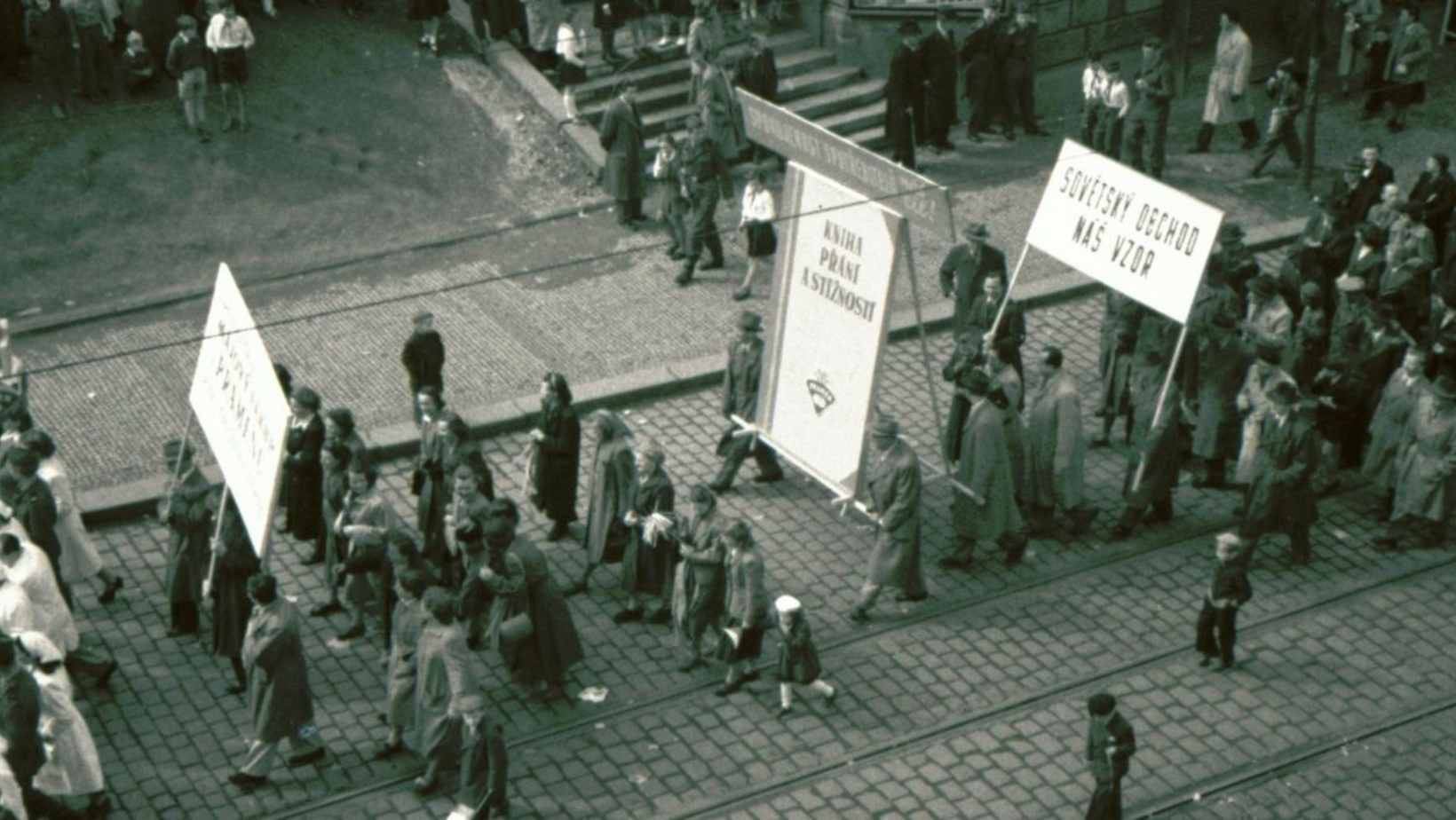
May 1 is widely known as Labor Day across much of Europe, but its origins go back to a tense industrial conflict in the United States in the late 19th century. The date is tied to the struggle for an eight-hour working day and to events in Chicago that later became part of international labor history. In 1886, a wave of strikes spread across the United States as workers demanded shorter working hours without wage cuts. On May 1, unions and anarchist groups called a nationwide strike. Around 300,000 workers took part. The central demand was an eight-hour workday, a standard that was not yet widely accepted. Tensions escalated a few days later in Chicago. On May 3, clashes between workers and police led to deaths among demonstrators. The following day, during a rally at Haymarket Square, an explosion killed both police officers and civilians. The incident triggered arrests and a high-profile trial. Several anarchist activists, including August Spies, Albert Parsons, Adolph Fischer, George Engel and Louis Lingg, were convicted. The trial has since been widely discussed for its lack of clear evidence linking all defendants directly to the bombing. Four were executed and one died by suicide while in... The post Why May 1 Became Labor Day and What it Means Today appeared first on Prague Morning .
Go to News Site