


 The Huffington Post
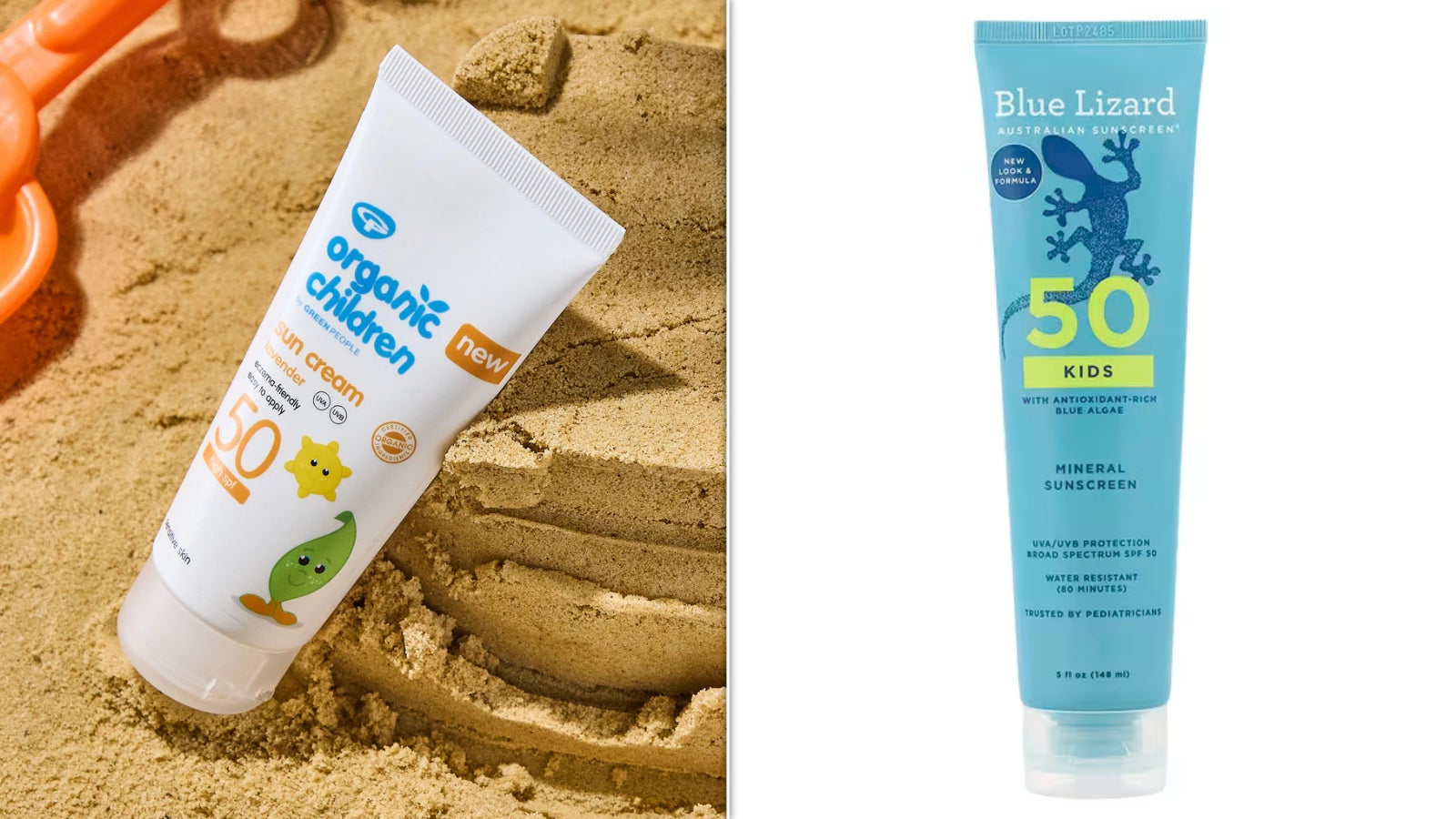
Green People/ iHerb We hope you love the products we recommend! All of them were independently selected by our editors. Just so you know, HuffPost UK may collect a share of sales or other compensation from the links on this page if you decide to shop from them. Oh, and FYI — prices are accurate and items in stock as of time of publication. As soon as the sun comes out, kids want to run, splash, and frolic around outside – it’s only natural. And while it’s far easier to keep them occupied when there’s exploring to be done, the one inevitable struggle is finding a sun cream that they’ll let you apply, let alone one that doesn’t break them out in a horrible rash. Then there’s the sun protection factor to think about, and whether they’ll be able to splash around without getting horribly burnt. It’s a minefield! To save you from having to deal with weeks of scratching and spending unfathomable amounts of money testing different formulas out, we’ve asked a paediatric dermatologist how to choose a kids’ sunscreen, and found 11 of the best to shop now. What to consider when buying kids’ sun cream There are plenty of budget options for kids’ sunscreen on the market. And while you might think the only important factor is whether or not they burn, there is actually a lot that goes into making a good kids’ sunscreen. Whether you’re looking for a sensitive-skin specific lotion, or one that’ll endure countless trips in the pool, Dr Bisola Laguda, paediatric dermatologist and spokesperson for the Skin Health Alliance shares what to look for in a kids’ sunscreen. SPF rating “When picking a sunscreen, the Skin Health Alliance recommends picking one with an SPF of 50+,” he says. “A factor this high helps counteract UVB (the rays that cause burning) most effectively.” Broad spectrum “Look for sunscreens that have ‘broad spectrum’ protection,” Laguda says. “This means that the sunscreen will absorb the UVA rays linked to long-term skin damage. Keep an eye out for the UVA star rating on sunscreen packaging – the more stars, the more protection the product offers.“ However, avoid products with a high UVA star rating and a lower SPF, Laguda notes, as this weakens protection. Higher SPF and broad spectrum sunscreens can also be good for kids with sensitive skin, he adds: “Their skin reacts more quickly to UV damage and is more susceptible to speedy burning as well as long-term damage.” Water-resistant “There is no such thing as waterproof sunscreen, but you can find water-resistant options – ideal for children taking a dip in the sea or splashing in an outdoor pool,” Laguda explains. “These work by creating a hydrophobic barrier that repels water and keeps the sun-protecting ingredients locked behind it. That being said, it’s also important to continually top up on sunscreen after extended periods of swimming or sweating.” Ingredients to look for in kids’ sunscreen While each child will be different, finding a sunscreen that protects your kiddo from the sun and also takes care of their skin can be tricky. There are certain ingredients to look out for, or avoid, in kids’ sun cream, according to Laguda. Mineral If your kid has sensitive skin, mineral sunscreen is your best bet, Laguda explains. “The mineral contents – often zinc oxide or titanium dioxide – sit on top of the skin and reflect the UV rays,” he says. “This is often a more preferable option over chemical sunscreens, which penetrate the skin and absorb the rays, leading to potential irritation.“ Fragrance-free These can also be good for kids with sensitive skin, Laguda adds. “The immune system can react to the chemical compounds in fragrance as if they were foreign invaders, and trigger a response that sets contact dermatitis symptoms in motion,” he says. Patch testing a sunscreen can also prevent unwanted reactions, Laguda explains. “Apply the sunscreen to a clean, hidden area – such as the inner elbow or behind the knee – and check for any reactions over the next 24 hours. If any reactions do occur, it’s best to wash the product off immediately but gently.” Best kids’ sunscreens to shop now With these factors in mind, we’ve found 11 of the best sunscreens for kids to stock up on before summer arrives. Tips for protecting children from the sun Unfortunately, it’s not enough to whack sunscreen on your little once in the morning and call it a day. Kids are particularly sensitive to the sun, so we asked Laguda offers top tips on how to protect kids from the sun: Clothing : Dressing them in loose-fitting clothing is a great first step, as well as wide-brimmed hats to provide extra coverage for the back of the neck and ears. Shade : Finding a shady spot to shield from the UV rays is a great way to still enjoy the benefits of being outdoors while remaining sun safe. Reapply : Whether your sunscreen claims to be extended wear or not, you need to reapply throughout the day in two hour intervals for maximum protection. There are areas of the skin that are easy to miss, and sunscreen can rub off throughout the day, especially when swimming, sweating, or drying off with a towel. Related... The Best Kids' Swimming Costumes To Shop For Bank Holiday Weekend The Best Sunscreen For Kids With Sensitive Skin, As Rated By Parents Swimming Instructor Reveals The One Children's Swimsuit You Should Never Buy
Go to News Site