


 Axios
Axios
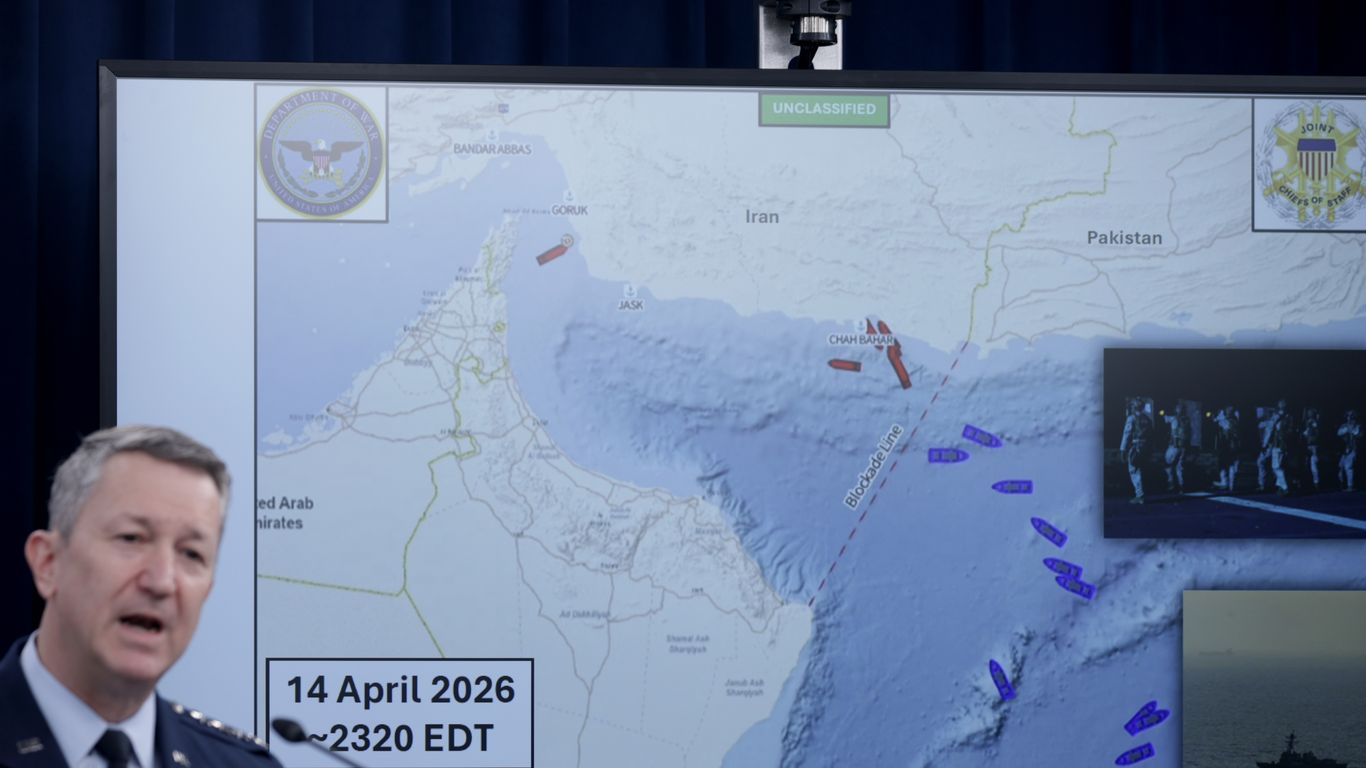
The Defense Department estimates Iran has been denied nearly $5 billion in oil revenue because of the U.S. blockade in the Gulf of Oman, causing unprecedented pressure on Tehran's government. Why it matters: The blockade is President Trump's most significant leverage tool to negotiate ending the war with Iran , and the Pentagon wants to emphasize its impact as peace talks stop and start. Zoom in : Since the blockade began April 13, the U.S. military has redirected more than 40 vessels that have tried to pass through the blockade by carrying oil and other contraband, Pentagon officials say. In total, 31 tankers laden with 53 million barrels of Iranian oil are "stuck in the Gulf" and have a value of at least $4.8 billion. Two ships have been seized by the U.S. Unable to fill oil in new tankers as on-land storage facilities reach capacity, Iran has begun to use older tankers as floating storage. Some tankers are taking "a costlier and longer route to deliver oil to China for fear of U.S. maritime interdiction," officials said. Zoom out : Samir Madani, co-founder of TankerTrackers.com, said the large Iranian oil tanker named "HUGE," showed how to avoid U.S. interdiction. It hugged the coasts of Pakistan and India on its way to the relatively safe harbor of the Malacca Strait of Malaysia, where crude is usually transferred to other ships bound for China. At a certain point, Madani said, Iranian tankers bottled up by the blockade might just try a massive jailbreak. "I think the Iranians will wait for an opportunity to launch an overnight 'Great Escape' once they have built up even further storage near the border with Pakistan," he told Axios. The big picture: During this cold war phase of the Iran conflict, both sides are using blockades to exact economic damage. Iran blockaded the Strait of Hormuz, bottling up ships, so the U.S. responded by blockading the Gulf of Oman's entrance to the west. The key to the U.S. pressure campaign: forcing Iran to hit its storage capacity, triggering a shutdown of oil wells. "They're probably several weeks, or perhaps as much as a month, away from running out of storage," Gregory Brew, an analyst with the Eurasia Group, told Axios. What they're saying : Joel Valdez, acting Pentagon press secretary, said blockade is "operating with full force and delivering the decisive impact we intended." "We are inflicting a devastating blow to the Iranian regime's ability to fund terrorism and regional destabilization," he said. "Our armed forces in the region will continue to maintain this unrelenting pressure."
Go to News Site