


 Axios
Axios
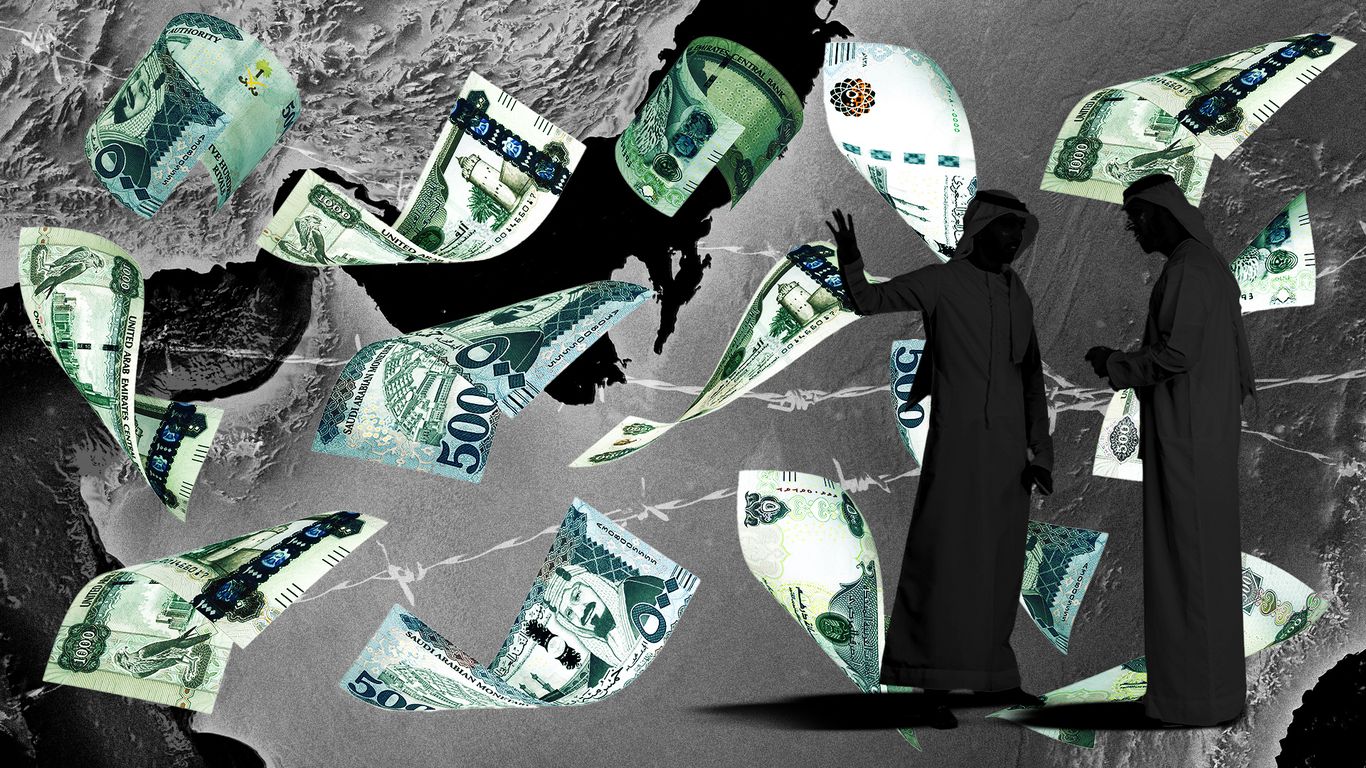
The United Arab Emirates is leaving OPEC . Saudi Arabia is ending its splashiest foreign sports venture. The two U.S. allies are in the midst of a messy divorce, even as both face fire from Iran . Why it matters: One year after President Trump's grand tour of the Gulf, the region's vision of a geopolitically stable post-oil future — powered by tourism, AI and American capital — has taken a major blow. The trillions of dollars in investment pledges that Trump secured on his trip are in limbo. So is the American "golden age" he claimed would be bankrolled in part with Gulf money. The big picture: Trump's trip may prove the high-water mark for the idea that the future of artificial intelligence, global investment and geopolitics would all flow through the Gulf. As Constellation CEO Joe Dominguez told Axios , no one is rushing to build $20 billion data centers in Saudi Arabia or the UAE after Iran proved it can strike them with cheap drones. Gulf leaders have spent a generation perfecting the Dubai model — selling stability as a luxury good to foreign tourists, expats and investors. Iran's attacks on luxury hotels and airports have undercut that premise. Between the lines: The Saudi sovereign wealth fund's exit from LIV Golf, after pouring more than $5 billion into the PGA competitor since 2022, is the first major casualty of the kingdom rationing cash as oil exports sink. Riyadh's era of blank checks for prestige projects — boxing superfights , comedy festivals , the gleaming "linear city" of NEOM — is under severe strain ahead of the 2034 World Cup. The UAE, which pledged $1.4 trillion in U.S. investments last spring, is now leaving OPEC to pump oil on its own terms. The UAE made the announcement the same day Saudi Crown Prince Mohammed bin Salman convened a summit of Gulf leaders in Jeddah. The Saudis were blindsided and livid, according to a source briefed on the discussions. Friction point: The UAE's break from the Saudi-led oil cartel is the latest fracture in a regional rivalry driven by clashing alliances and views on Yemen, Sudan and Palestine, as well as personal animosity between the two leaders. The Iran war has only deepened the rift. UAE President Mohammed bin Zayed hoped war could be averted and lobbied Trump against it. But once it began, he pushed for a fight to the finish, determined that Iran not emerge emboldened. Saudi Arabia's ruler, MBS, had the opposite outlook — initially pro-war, then eager for an off-ramp once the damage to his oil-driven economy came into focus. Qatar, meanwhile, has absorbed a major blow to its gas exports and decades-long efforts to balance relations with the U.S. and Iran after coming under direct attack. The UAE is now leaning into its Abraham Accords vision and partnership with Israel, which supplied missile defense capabilities for the first time early in the war. Saudi Arabia, on the other hand, is aligning more with Turkey and Pakistan. Trump still hopes to broker a historic Israel-Saudi normalization deal, but Saudi attitudes on the matter have cooled since the war began. Behind the scenes: The Trump administration was slow to grasp how serious the rift between the UAE and Saudi Arabia had become — and chose not to get involved as it deepened, U.S. and regional sources told Axios. Early on in the crisis, Secretary of State Marco Rubio told Riyadh and Abu Dhabi that the U.S. wouldn't pick sides, sources said. Trump envoy and son-in-law Jared Kushner — who has close ties to both leaders and business interests across the region — also stayed out, wary of a rift with either side, U.S. sources said. Senior officials are deeply concerned that Washington's two most important Arab allies will emerge from the war more adversarial than ever. Reality check: The Gulf states still have deep reserves of energy and capital, plus a security relationship with Washington that the war has only strengthened. Some analysts see the Iran crisis as a temporary shock for the Gulf economies, not an existential crisis. The bottom line: A year after his Gulf tour, Trump's promised investment bonanza has collided with the consequences of his Iran war. Fixing the damage may take longer than the time he has left in office.
Go to News Site