


 Ruptly
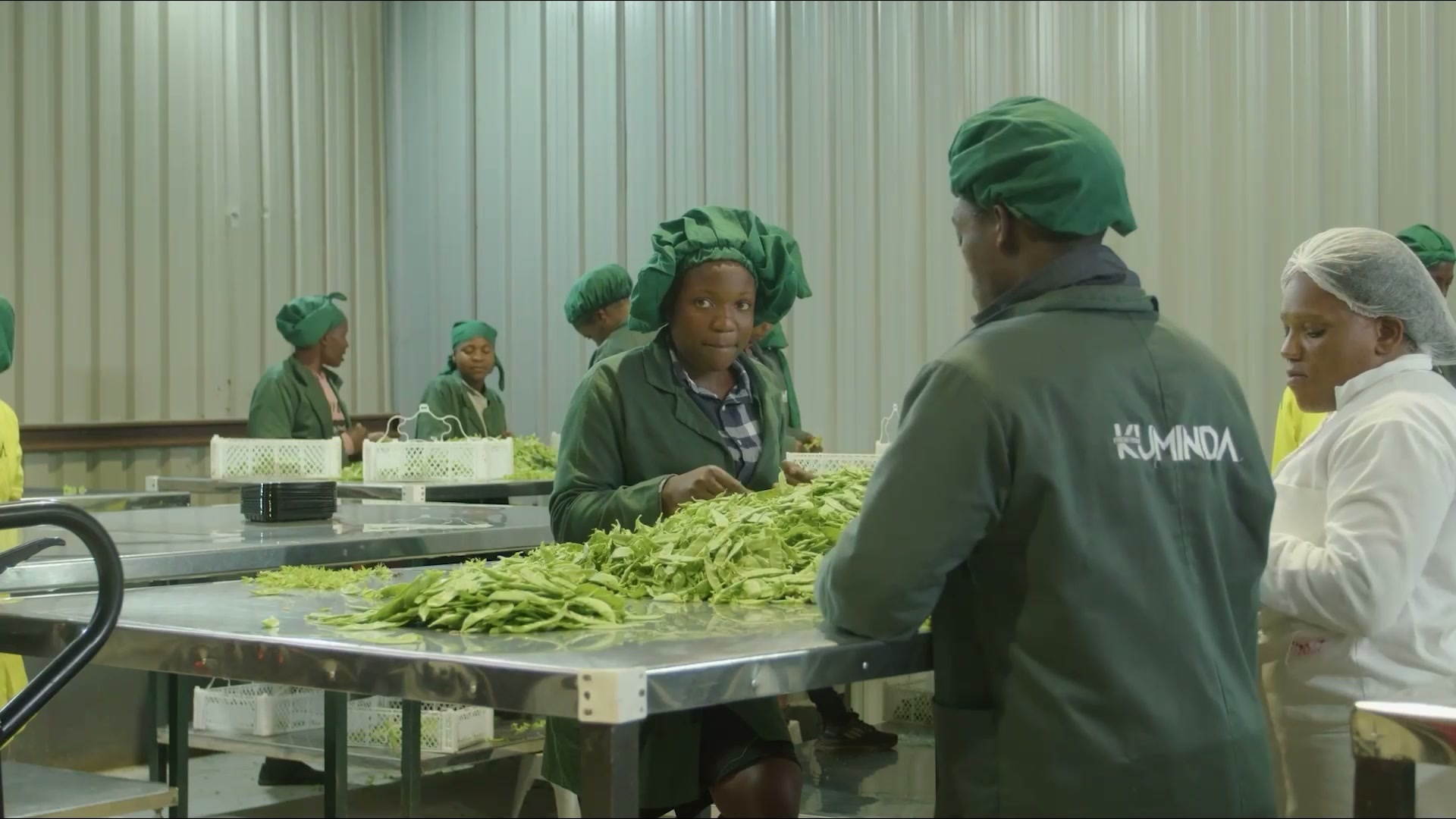
"Horticultural exporters in Zimbabwe are facing mounting logistical and financial challenges due to rising freight costs caused by escalating tensions in the Middle East. This puts the viability of their perishable products at risk. Footage filmed on Friday shows workers carefully sorting, packing and storing pea pods in the Kuminda export warehouse in Harare. "We essentially got into this season this year on a bad note," said Kuminda's owner, Clarence Mwale. "This time last year, our freight cost was costing us about $1.60 less than we are paying now. The conflict in the Middle East has definitely contributed to fewer freights and fewer flight options," the businessman continued. Mwale went on to say that although the conflict is in the Middle East, the farmers in Zimbabwe are suffering from higher prices, delays, and lost markets due to the conflict. "You try to share the cost with the market to try and shield the farmer, but you can only do so much. At the end of the day, you need to find a balance and cost some of it to the farmer, take some of the cost as a business and transfer some of the cost to the market," he added. The director of the Zimbabwe Farmers' Union, Paul Zakariya, said that a recent analysis has shown an average 16 per cent increase across the board in the country's agricultural sector. "Fertilisers normally would be coming from Eastern Europe, and a lot of our chemicals are coming from the Middle East. The supply chain disruptions have slowed things down," he added. Zakariya suggests that Zimbabwe, which heavily depends on foreign suppliers for fertilisers, needs to get ahead of the game before the busy summer season in order to meet the demands of the local market. "While these costs continue to rise both on the local market and as well as in the export market, we are seeing that producer prices are not rising in tandem with the cost of production. So the margins are actually getting squashed, and it means profit levels are also very low," he noted. Reports suggest that exporters are currently facing rates that are twice or even three times the normal levels due to additional war risk surcharges imposed by insurance companies. Timing is reportedly crucial in horticultural exports, as products like sugar snap peas and mangetout must reach markets within a 24- to 72-hour window to maintain quality standards. Disruptions to flight schedules can lead to significant risks, such as delays and spoilt or reduced shelf life of products. Missed connections can also compromise the cold chain, causing shipments to be rejected or discounted upon arrival. As the conflict between the US and Iran continues to escalate, the Strait of Hormuz has become a focal point in the ongoing tensions. The traditional trading routes of the Middle East have been disrupted, leading Gulf countries and their regional neighbours to seek alternative sources of food security to the south."
Go to News Site