


 Business Recorder
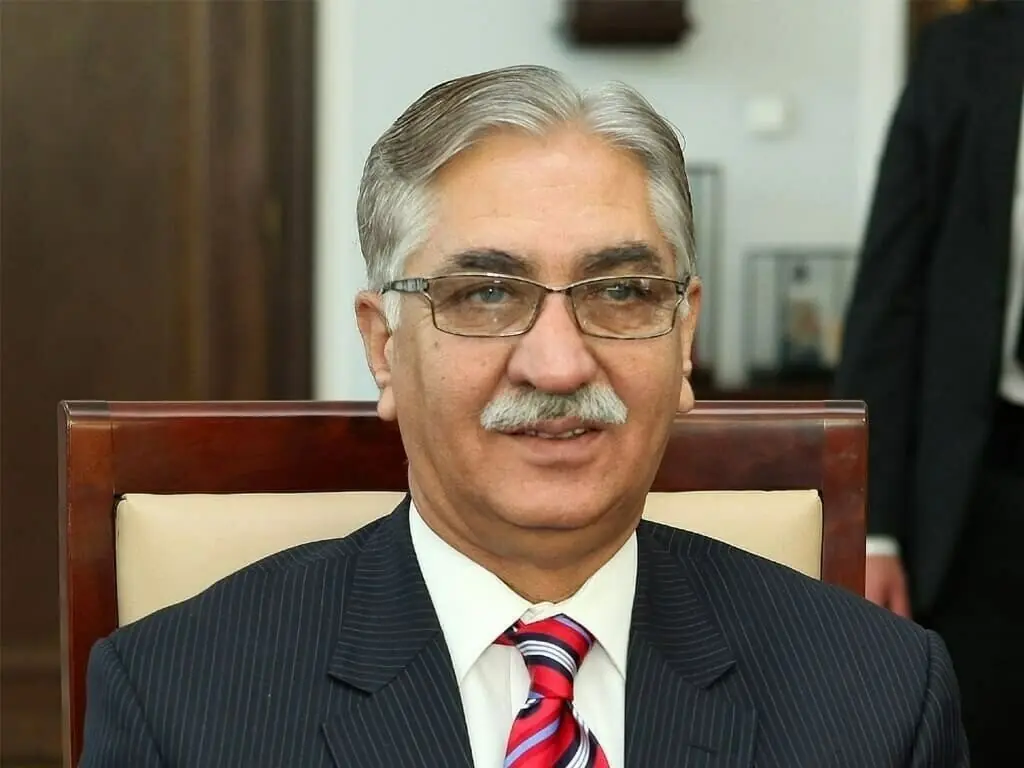
ISLAMABAD: Pakistan Peoples Party-Parliamentarians (PPPP) Secretary General Syed Nayyar Hussain Bukhari has emphasized the need for economic stability, institutional coordination, and stronger support for the agriculture sector, as the country continues to face rising financial and governance challenges. In a statement issued here on Saturday, Bukhari reiterated that the PPP believes in parliamentary democracy and does not support any “hybrid system,” stressing that governance must remain firmly in the hands of elected representatives. He said that the current PML-N-led government is operating with PPP’s support, underscoring the importance of coalition-based decision-making. Referring to economic matters, Bukhari said the recent increase in petroleum prices has placed additional strain on the national economy and ordinary citizens. He urged the government to adopt effective measures to stabilize the economy and consult allied parties to ensure better policy outcomes. Highlighting the challenges faced by the agriculture sector, he said farmers have been among the most affected groups and called for immediate government assistance to protect agricultural productivity and rural livelihoods. He also suggested that policies related to solar energy should focus on facilitation rather than creating administrative hurdles for consumers. Raising concerns over taxation, he questioned the level of revenue collected from large commercial businesses in Islamabad and stressed the need for improved tax compliance and broader fiscal reforms. Referring to governance decisions, he described early market closure timings as a positive step and also appreciated restrictions such as the ban on “one-dish” wedding events, terming them useful for economic discipline. On political developments, he said the PPP’s decision to stay out of the federal cabinet was taken by its Central Executive Committee. He added that the performance of PPP Chairman Bilawal Bhutto Zardari as Foreign Minister has been widely acknowledged at both domestic and international levels. He also said that Ishaq Dar’s efforts in foreign affairs are significant and should not be overlooked. Addressing regional security concerns, he warned that instability in Pakistan would ultimately have greater consequences for Afghanistan. He urged the Afghan authorities to take Pakistan’s concerns seriously regarding action against the Tehreek-e-Taliban Pakistan (TTP) and reaffirmed that Pakistan would continue to respond firmly to any threats against its sovereignty. On judicial matters, he said the transfer of judges is a routine administrative process while also pointing to historical concerns about the judiciary’s role. He remarked that reforms in judicial appointments and parliamentary oversight could have improved the current situation. He further highlighted the burden of pending cases in district courts and urged high courts to take a more active role in improving the efficiency of the justice system. Bukhari stressed the need for coordinated political engagement, economic prudence, and institutional balance to ensure long-term stability and national progress. Copyright Business Recorder, 2026
Go to News Site