


 Ruptly
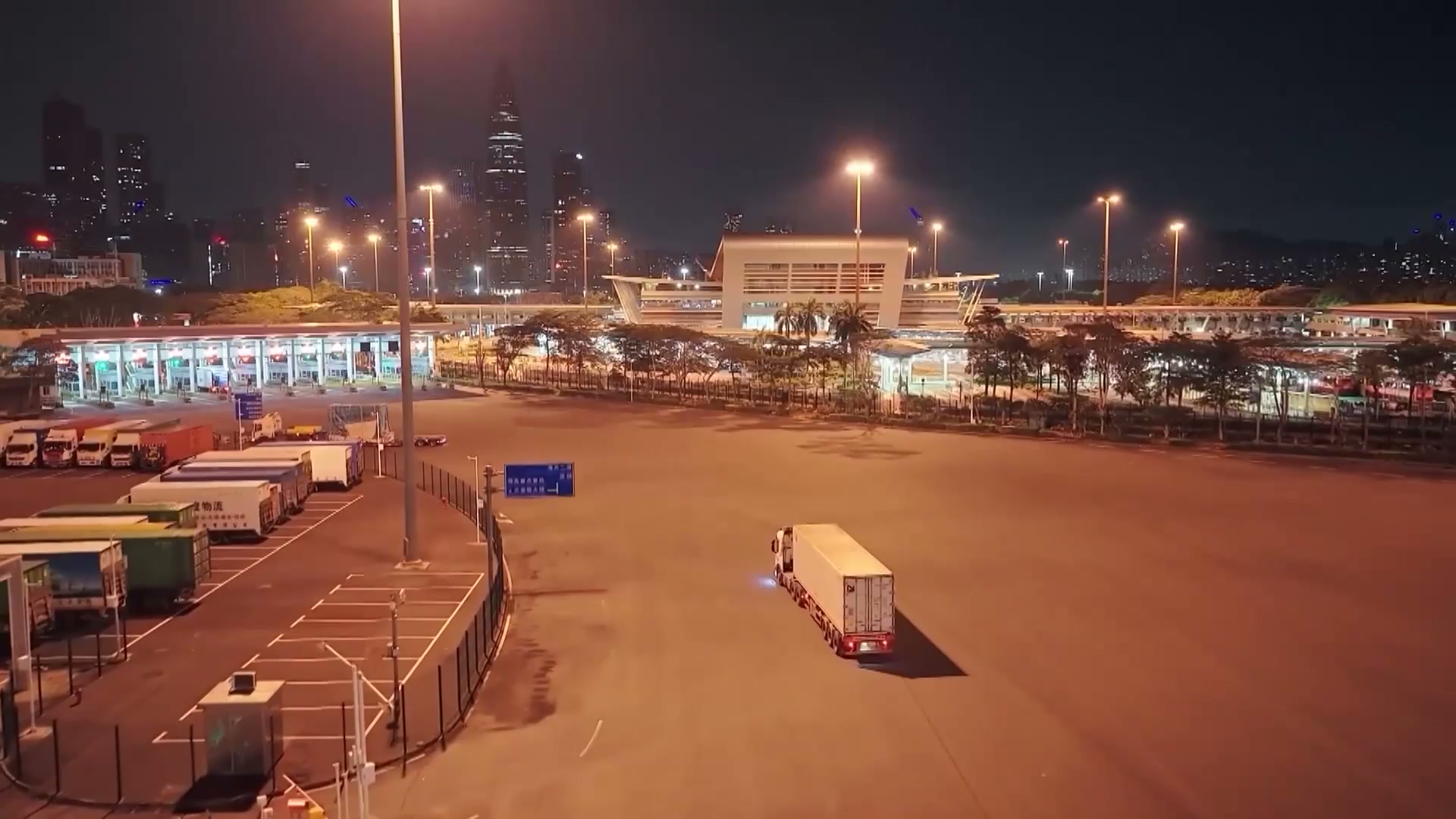
"The first shipment of African goods cleared customs at Shenzhen Port on Friday, marking the start of China's expanded zero-tariff policy for the continent. Footage shows trucks carrying South African apples entering Shenzhen Bay Port for clearance as officers inspect the shipment at the sorting unit. Luo Shengcong, Manager at Shenzhen Jianchengye International Freight Forwarding Company, says lower import costs will help in bringing down market prices for consumer goods. "Last year, we imported a total of 12,000 tons of fruit from Africa, mainly South African apples, oranges and citrus. [Benefiting from the zero-tariff policy,] each container of imports can now save about 20,000 yuan (2,930 USD) in tariffs on average, with annual savings estimated at around 10 million yuan," Luo Shengcong said. With the new zero-tariff arrangement now in place, the import duty on goods entering China dropped from 10 per cent to zero, benefiting industries such as catering, fresh produce and fine chemicals. "The latest tariff cuts mainly cover fresh apples, wine, organic chemicals and leather raw materials. The tax rate on fresh apples has dropped by 10 percentage points, while the rate on modified ethanol has fallen by 30 percentage points," explained Shenzhen Bay Customs officer Xia Yingli. Since December 2024, Beijing has already introduced a duty-free policy for at least 33 African nations. The new tariff drop will now cover 53 countries across the continent and is set to remain in place until April 30, 2028. According to reports, Beijing is the first major economy to offer unilateral zero-tariff treatment to Africa, while trade deficit with the continent rose by 65 per cent last year to about $102 billion. China’s key trading partners in the region include Angola, driven mainly by oil, as well as the Democratic Republic of the Congo and South Africa, with exports largely consisting of minerals and raw materials such as crude oil and metallic ores."
Go to News Site