


 GB News
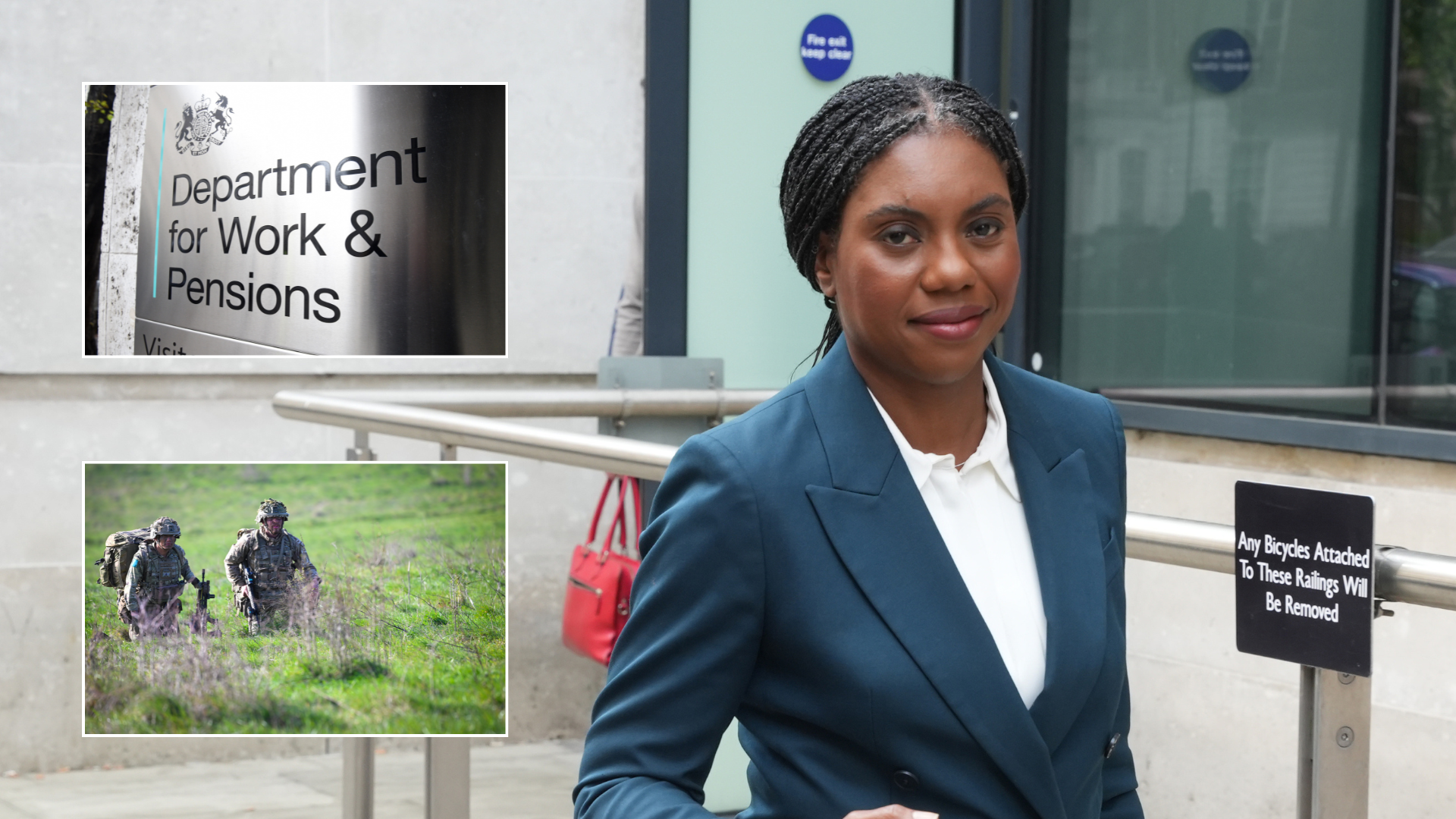
Welfare paid more than work for 600,000 households in Britain as critics have slammed a ballooning £155billion benefits budget. The figures show that 635,218 households were each given more than £32,000 in welfare payouts last year, the average annual salary of a British worker after tax, despite the introduction of a benefits cap. And the new analysis has revealed that 16,000 of those households receive more than £60,000 in welfare. The analysis, conducted by the Conservative Party, is set to bolster calls to overhaul the £155billion benefits budget and reform of the welfare cap, as welfare spending is set to dwarf the defence budget. TRENDING Stories Videos Your Say Neil O'Brien, the shadow minister for policy development, who conducted the analysis, told The Telegraph: "The real-terms growth and scale of really large benefit claims from working-age households make the case for a return to welfare reform stronger. "We need reforms across all types of benefit – and particularly the household benefit cap, which is no longer really constraining the growth of really large claims. "Some households are getting a lot more in benefits than the average person gets to take home after working full-time. We need a system that’s fair to taxpayers as well as those benefiting from it." Labour, however, has said households who receive the highest level of support had the "highest level of need", with one or more family members suffering a severe disability. The analysis suggested that the number of working-age households receiving more than £30,000 a year in benefits has climbed by more than a third - up to 800,000 - since the Department for Work and Pensions started using administrative data on income people actually receive, rather than results taken by asking in surveys. In 2023-24, some 667,78 households took more than the average salary of £32,00 a year, a record high up 30 per cent on the previous year. It dropped to 625,218 in 2024-25, but was still double the 392,000 in 2019-20. The 600,000 plus families accounted for one in 30 of all households in Britain. LATEST DEVELOPMENTS: Kemi Badenoch declares Tories are ‘the only alternative’ as she slams ‘unserious’ Nigel Farage DWP confirms major change to Universal Credit and state pension payments in just hours State pension triple lock could be scrapped under 'dystopian' Tony Blair proposal Of those, 16,289 families received the highest rate of more than £60,000 a year, 91,000 received more than £50,000, and 27,000 received more than £40,000 a year. The benefits cap was first introduced in 2013 by George Osborne and was designed to limit the maximum amount of benefits that a working-age household can receive, with the hopes of encouraging people into work. The Tories have now pledged to close a "loophole" which allows an entire household to have uncapped benefits if there is just one adult who is eligible for the Personal Independence Payment (PIP). Helen Whately, Shadow Work and Pensions Secretary, wrote in The Telegraph: "If any adult in a household can work, they must. If they don’t, the household will be capped. "They will receive the 'exempting benefit' - such as Personal Independence Payment (PIP)) - but it won’t be a golden ticket to uncapped benefits for the whole household." The Tory proposal would require a couple, that can both work, to work at least 16 hours a week to be exempt from the household benefits cap. Conservative leader Kemi Badenoch said her party's plans would "stop those who abuse the system getting almost unlimited welfare payments". A government spokesman said: "The 2 per cent of households receiving this level of support have the highest needs, and require extra support. "The benefit cap exempts households where one or more residents have a severe disability requiring extra support and are among the most vulnerable in our society, and it is right that they receive it." Our Standards: The GB News Editorial Charter
Go to News Site