


 Business Recorder
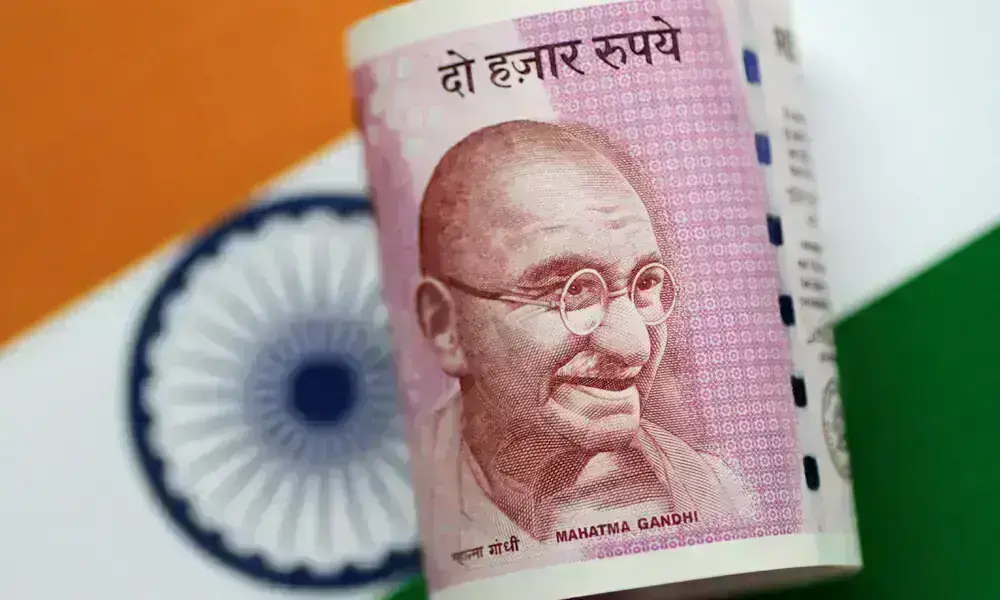
MUMBAI: The Indian rupee and government bonds face fresh pressure this week as stalled efforts to resolve the US-Iran conflict keep oil prices elevated and strain capital flows into the energy-importing nation. The rupee fell to a record low of 95.33 on Thursday, pressured by volatile oil prices and hawkish signals from the US Federal Reserve. India’s financial markets were shut on Friday for a local holiday. Traders said the rupee could face further pressure due to weak fundamentals, though they remain cautious about the central bank’s market interventions to slow the decline. The United States and Israel suspended their bombing campaign against Iran four weeks ago, but appear no closer to a deal to end the war. Over the weekend, President Donald Trump said, he is likely to reject a peace proposal from Iran and mused about the possibility of restarting air strikes. The conflict has also pressured the currencies of other oil-importing nations such as Japan, Indonesia, the Philippines, and Thailand. Japan intervened to support the yen against the US dollar last week, sources familiar with the matter told Reuters . “We continue to see the Indian rupee as vulnerable if the Iran and Middle East conflict is sustained, even as our base case assumes some gradual de-escalation,” MUFG said in a note. In their base case, the firm expects the rupee to hover between 95 and 96, but a prolonged escalation could push it towards 97-98. Finance leaders from China, Japan, South Korea, and the ASEAN group of 10 Southeast Asian states said they would monitor risks stemming from excessive volatility in financial markets and stand ready to act if needed. Bonds India’s 10-year benchmark bond , which rose 7 basis points to 7.0148% last week, is expected to see further gains. Traders expect the yield on this note to move in a 6.96% to 7.10% range this week after posting its biggest weekly jump in four. The benchmark Brent crude contract hit a four-year high last week, as the U.S. plans to keep blocking Iranian ports, while Iran continues to threaten to shut down the Strait of Hormuz, which, before the war, carried about a fifth of global oil output.
Go to News Site