
Collector
Harvesting opportunity - South African farmers demand market inclusion, govt support as China's landmark zero-tariff era begins | Collector He has never invited us," explained Dr Lennox Mtshagi, president of the Black Farmers Association of South Africa (BFASA). He also urged greater inclusion of Black farmers in the production chain and expanded market access, citing the impact of unfair trade on both local agricultural workers and export suppliers at the receiving end. "Those who have a direct link are going to come and bargain the price from you, and then your business ends up becoming a hand-to-mouth business. So it is affecting," Mtshagi pointed out. "It is very important that the government engages us so that our people can also be filled in and have the information and the know-how of going forward, who to be contacted and that," he stressed. In 2023, China emerged as Pretoria's top trading partner, surpassing the European Union. This was due to South Africa's continued dominance in exports of minerals and agricultural products. Since December 2024, Beijing has already introduced a duty-free policy for at least 33 African nations. The new tariff drop will now cover 53 countries across the continent and is set to remain in place until April 30, 2028. According to reports, Beijing is the first major economy to offer unilateral zero-tariff treatment to Africa, while the trade deficit with the continent rose by 65 per cent last year to about 102 billion USD.""> He has never invited us," explained Dr Lennox Mtshagi, president of the Black Farmers Association of South Africa (BFASA). He also urged greater inclusion of Black farmers in the production chain and expanded market access, citing the impact of unfair trade on both local agricultural workers and export suppliers at the receiving end. "Those who have a direct link are going to come and bargain the price from you, and then your business ends up becoming a hand-to-mouth business. So it is affecting," Mtshagi pointed out. "It is very important that the government engages us so that our people can also be filled in and have the information and the know-how of going forward, who to be contacted and that," he stressed. In 2023, China emerged as Pretoria's top trading partner, surpassing the European Union. This was due to South Africa's continued dominance in exports of minerals and agricultural products. Since December 2024, Beijing has already introduced a duty-free policy for at least 33 African nations. The new tariff drop will now cover 53 countries across the continent and is set to remain in place until April 30, 2028. According to reports, Beijing is the first major economy to offer unilateral zero-tariff treatment to Africa, while the trade deficit with the continent rose by 65 per cent last year to about 102 billion USD.""> He has never invited us," explained Dr Lennox Mtshagi, president of the Black Farmers Association of South Africa (BFASA). He also urged greater inclusion of Black farmers in the production chain and expanded market access, citing the impact of unfair trade on both local agricultural workers and export suppliers at the receiving end. "Those who have a direct link are going to come and bargain the price from you, and then your business ends up becoming a hand-to-mouth business. So it is affecting," Mtshagi pointed out. "It is very important that the government engages us so that our people can also be filled in and have the information and the know-how of going forward, who to be contacted and that," he stressed. In 2023, China emerged as Pretoria's top trading partner, surpassing the European Union. This was due to South Africa's continued dominance in exports of minerals and agricultural products. Since December 2024, Beijing has already introduced a duty-free policy for at least 33 African nations. The new tariff drop will now cover 53 countries across the continent and is set to remain in place until April 30, 2028. According to reports, Beijing is the first major economy to offer unilateral zero-tariff treatment to Africa, while the trade deficit with the continent rose by 65 per cent last year to about 102 billion USD."">
Harvesting opportunity - South African farmers demand market inclusion, govt support as China's landmark zero-tariff era begins
Ruptly

Harvesting opportunity - South African farmers demand market inclusion, govt support as China's landmark zero-tariff era begins

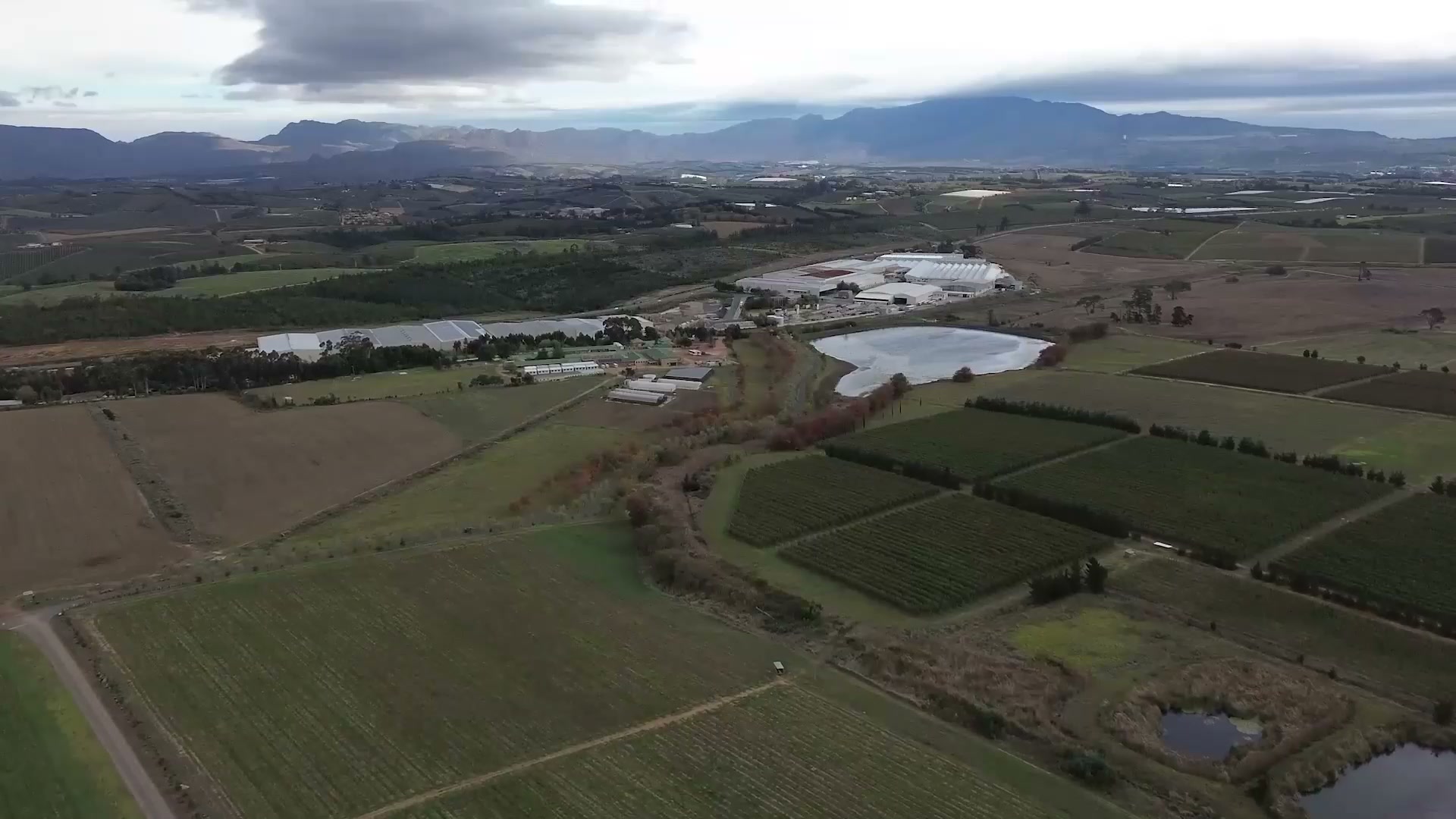
"Farmers in South Africa's Western Cape province are scaling up production ahead of exports to China after Beijing's zero-tariff policy took effect on May 1. Black farmers, specifically, are urging the government to extend support and ensure fairer access to the new opportunities. Footage filmed on Friday, May 1, and Monday, May 4, shows labourers harvesting apples and transporting them to local manufacturers in Grabouw, 65 kilometres southeast of Cape Town. "We welcome it. It is a step in the right direction for our farmers. The problem that we are sitting with, we are not informed by the Minister of Agriculture <...> He has never invited us," explained Dr Lennox Mtshagi, president of the Black Farmers Association of South Africa (BFASA). He also urged greater inclusion of Black farmers in the production chain and expanded market access, citing the impact of unfair trade on both local agricultural workers and export suppliers at the receiving end. "Those who have a direct link are going to come and bargain the price from you, and then your business ends up becoming a hand-to-mouth business. So it is affecting," Mtshagi pointed out. "It is very important that the government engages us so that our people can also be filled in and have the information and the know-how of going forward, who to be contacted and that," he stressed. In 2023, China emerged as Pretoria's top trading partner, surpassing the European Union. This was due to South Africa's continued dominance in exports of minerals and agricultural products. Since December 2024, Beijing has already introduced a duty-free policy for at least 33 African nations. The new tariff drop will now cover 53 countries across the continent and is set to remain in place until April 30, 2028. According to reports, Beijing is the first major economy to offer unilateral zero-tariff treatment to Africa, while the trade deficit with the continent rose by 65 per cent last year to about 102 billion USD."

Go to News Site