


 Ruptly
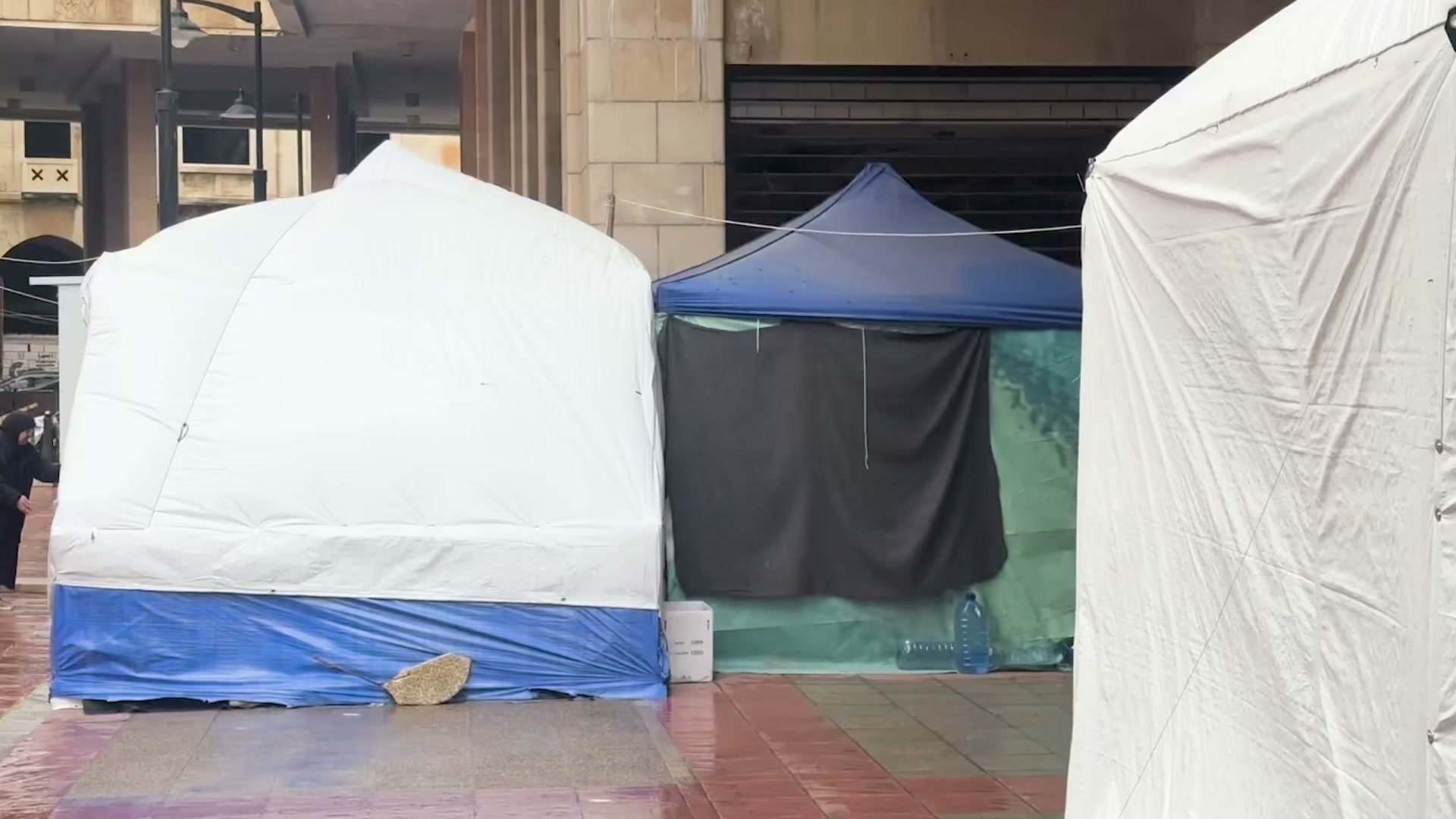
"The humanitarian situation for displaced families in Beirut has worsened as a powerful low-pressure system batters the country, flooding the tents of those who left their homes seeking shelter from the conflict. Footage filmed on Tuesday shows rain falling on makeshift shelters covered with plastic sheeting to prevent leaks, as water can be seen seeping in. Hussein Hammoud, a displaced person, described the storm as the harshest in the past two months. "It was a frightening experience. We have no blankets or mattresses left - everything was flooded. We don’t know how we will cope," he said. "We were caught off guard by the rain because we thought summer had begun and conditions were improving. But after the rainfall, the situation turned tragic," added fellow displaced person Fatimeh Barq. The Lebanon Meteorological Service said the country and the eastern Mediterranean are being affected by a low-pressure system centred southwest of Turkey, accompanied by cold air masses. The system has led to a drop in temperatures and strong winds exceeding 90 km/h in northern areas. Snowfall has also been reported at elevations above 1,700 metres. According to the service, the weather system is expected to persist until Tuesday evening, with gradual improvement and rising temperatures forecast from Wednesday. Authorities have warned of dangerous sea conditions, including high waves and strong currents, as well as continued rainfall in the Beirut area. According to reports, more than 1.5 million people have been displaced by recent military operations in southern Lebanon. On April 15, US President Donald Trump announced a 10-day ceasefire between Israel and Lebanon, later extending it by three weeks on April 23 following talks between Israeli and Lebanese officials in Washington. Meanwhile, the Israeli army has designated what it calls the "Yellow Line" in southern Lebanon, restricting residents from returning to certain areas under its control. This measure is part of a tactic previously used in the Gaza Strip, where areas under its control are designated within ceasefire agreements, and civilians are prevented from entering them. The Israeli army has called on residents of around 80 towns in the south not to return to their homes, stating that it continues to maintain a presence in those areas, citing ongoing security concerns and what it describes as "terrorist activities." Israel has indicated it intends to establish a "security zone" inside Lebanese territory stretching from the border to the Litani River, an area equivalent to around 10% of the country."
Go to News Site