


 Ruptly
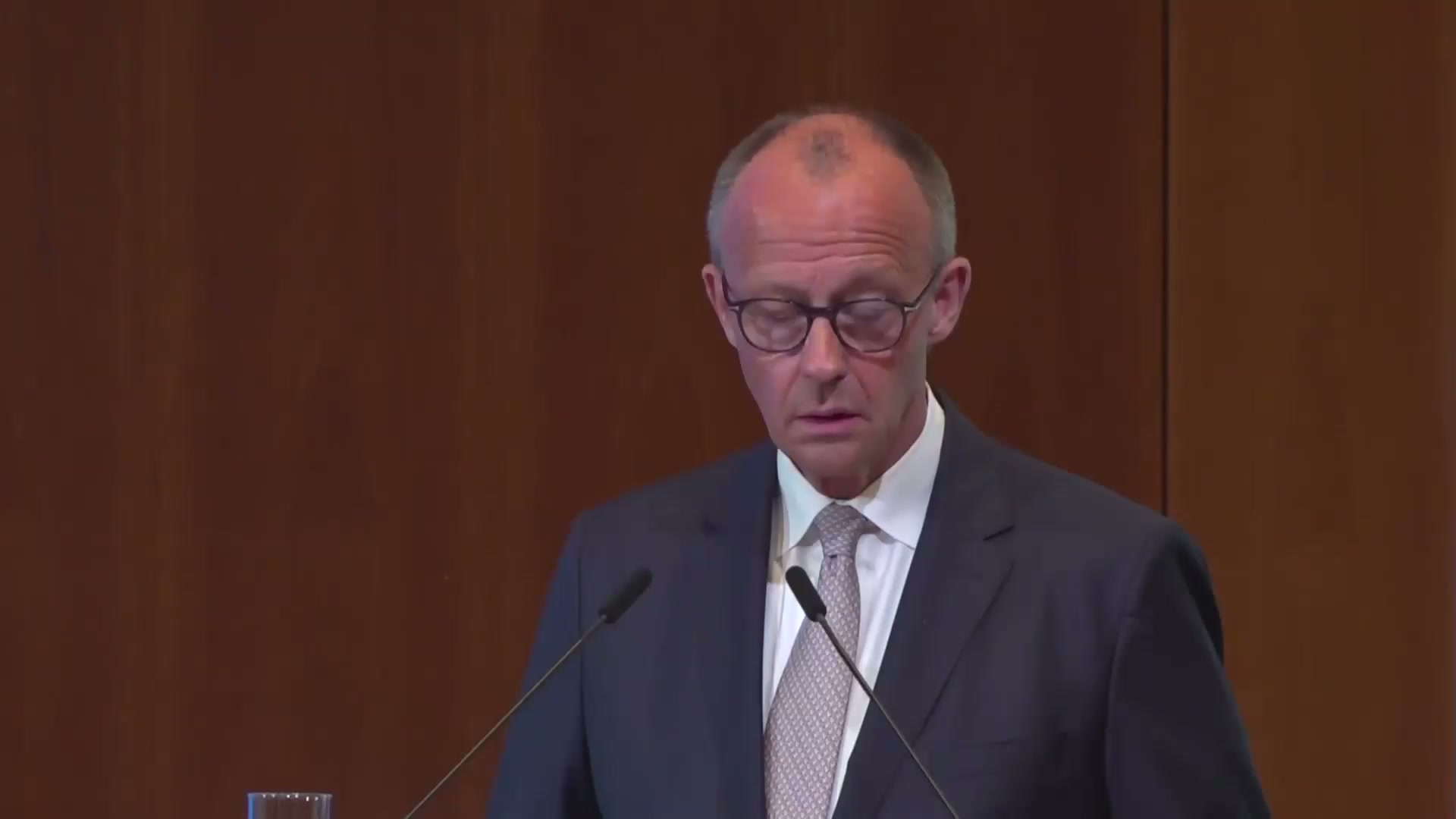
"German Chancellor Friedrich Merz sought to defend Germany’s continued commitment to Europe and international economic cooperation amid record-low approval ratings due to growing pressure over the country’s worsening business climate. "I know very well the mood that is now spreading through large parts of the economy, including small and medium-sized businesses," Merz said during his address at the Chamber of Industry and Commerce event titled 'How can doing business in Germany be made easier?' Merz acknowledged that costs in Germany are "are too high" and warned they will continue to rise, identifying labour costs as one of the central challenges facing the country’s economy. "Without reforms, we would have to fear an increase in social insurance contributions to as much as 50 percent over the next ten years. We want to prevent that," he said. He also said that draft legislation adopted by the federal cabinet last Wednesday would provide relief amounting to around 16 billion euros next year. "By 2030, the volume will rise to almost 40 billion euros. In doing so, we are preventing an increase in contribution rates of almost exactly two percentage points." The chancellor pushed back strongly against nationalist economic policies, warning against isolationism and anti-immigration rhetoric. "Does anyone seriously believe that shutting off Europe, shutting off immigration into our labour market, that 'Germany first' is the right approach?" he asked. The remarks appeared aimed at countering growing nationalist rhetoric in Germany amid rising support for the Alternative for Germany (AfD) in recent state polls, as well as increasing tensions between Berlin and the administration of US President Donald Trump over trade policy and defence spending. Despite the promise of a large relief package, critics have argued that the relief is ‘spread too thin’ to prevent immediate closures of energy-intensive factories. The German leader also pledged to reduce the corporate tax burden to stimulate investment and improve Germany’s international competitiveness. "One of our very first measures was to improve depreciation allowances, and we will gradually reduce the corporate tax rate from the current 15 percent down to 10 percent," he added. On energy policy, the chancellor said Germany had already taken steps to reduce industrial energy costs by abolishing the gas storage levy, lowering grid fees and cutting electricity taxes for manufacturing companies. He also announced that the federal cabinet would approve a new power plant strategy on May 13, including tenders for new gas-fired power plants designed to ensure a stable baseload electricity supply, as well as the expansion of Germany’s digital infrastructure. As Friedrich Merz marks his first year as Chancellor, he faces an increasingly difficult political landscape, with his personal approval rating falling to just 19 percent and a record 71 percent of voters expressing dissatisfaction with his performance."
Go to News Site