


 Business Recorder
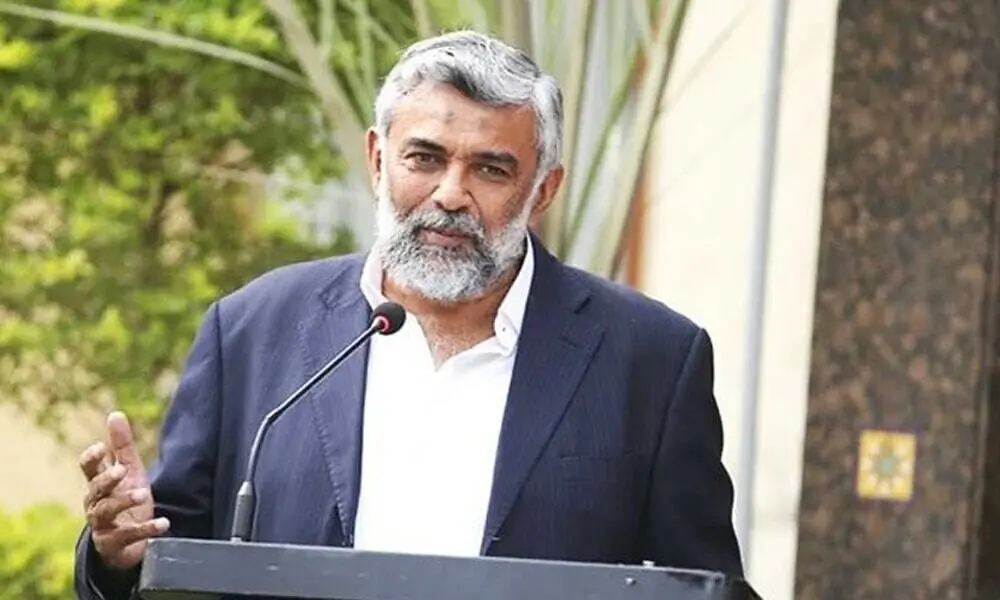
KARACHI: Pasban Democratic Party (PDP) Chairman Altaf Shakoor said on Friday the revival of the Karachi Circular Railway can become a historic turning point for Karachi, enabling Pakistan’s largest city to compete with major global economic centers such as Mumbai, Delhi, Tokyo, Seoul, Singapore and London, all of which built strong urban economies on the foundation of efficient local train networks. He said urban transport experts believe that a modern and fully functional Karachi Circular Railway would not only reduce Karachi’s worsening traffic congestion but also unlock massive socioeconomic opportunities, improve productivity, encourage investment, and transform the city into a more competitive and livable megacity. He said Karachi, home to more than 25 million people and the financial backbone of Pakistan, faces severe transportation challenges. Traffic congestion, rising fuel costs, long commuting hours, environmental pollution, and the absence of reliable public transport have negatively affected both economic productivity and quality of life. Altaf Shakoor said that the revival of KCR is not merely a transport project but an economic and social necessity. Modern urban economies across the world depend heavily on efficient suburban rail systems that connect people quickly and affordably to workplaces, educational institutions, industrial zones, and commercial centers. The example of Mumbai is particularly relevant for Karachi. Mumbai’s suburban railway network, often called the “lifeline” of the city, carries nearly one crore passengers daily and remains central to the functioning of India’s financial capital. The railway system allows millions of workers, traders, students, and professionals to move efficiently at low cost, supporting commercial activity throughout the metropolitan region. Without its local train network, Mumbai’s economy would face paralysis. He said similarly, Tokyo has developed one of the world’s most advanced commuter rail systems, transporting tens of millions of passengers every day with remarkable punctuality and efficiency. Tokyo’s railway infrastructure has played a major role in transforming the city into one of the most productive urban economies in the world. He said Seoul also demonstrates how integrated rail and metro systems can strengthen economic growth, reduce traffic congestion, and improve urban living standards. The city’s extensive rail connectivity has encouraged business expansion, improved labor mobility, and supported sustainable urban development. “Likewise, London continues to rely on its suburban rail and Underground systems as the backbone of economic activity. Millions of daily commuters depend on these networks, which connect residential suburbs with business districts, airports, and industrial areas.” He said that Karachi possesses the population size, commercial importance, and geographic spread necessary for a successful commuter railway system. A properly revived and modernised KCR can reconnect industrial zones, ports, business districts, educational institutions, and residential neighborhoods through affordable and reliable transport. He said the economic benefits could be transformative. Reduced travel time would improve worker productivity and business efficiency. Industries and commercial markets would benefit from a smoother labor movement. Fuel consumption could decline significantly as more citizens shift from private vehicles to public transport. Reduced traffic congestion would also lower environmental pollution and decrease pressure on Karachi’s overburdened road infrastructure. He said modern technology can further enhance the effectiveness of the project. Digital ticketing systems, feeder bus services, integration with Bus Rapid Transit (BRT) networks, smart traffic management, and park-and-ride facilities can create a modern urban transport ecosystem comparable to successful global cities. He said Karachi has historically served as Pakistan’s economic engine, generating a substantial share of national revenue and commercial activity. However, without efficient transportation infrastructure, the city’s economic potential cannot be fully realised. He reminded that cities failing to invest in mass transit gradually lose competitiveness, productivity, and investor confidence. The revival of Karachi Circular Railway should therefore be treated as a national priority rather than a routine infrastructure initiative. Long delays, bureaucratic hurdles, and institutional disputes have already deprived Karachi of decades of urban progress. He said citizens now expect practical action, transparent planning, and sustained political commitment. The success stories of Mumbai, Tokyo, Singapore, Seoul, and London clearly demonstrate that modern local train systems are not luxuries but essential pillars of economic growth, urban efficiency, and social mobility. He said Karachi deserves the same vision and commitment. The revival of KCR can help reshape the future of the city, strengthen Pakistan’s economy, and restore Karachi’s position among the world’s leading metropolitan centres. He said the revival of KCR is possible if Prime Minister Shehbaz Sharif, Railway Minister Hanif Abbasi, PPP Chairman Bilawal Bhutto and Sindh Chief Minister Syed Murad Ali Shah agree to revive this revolutionary project and order immediate start of work. Copyright Business Recorder, 2026
Go to News Site