


 GB News
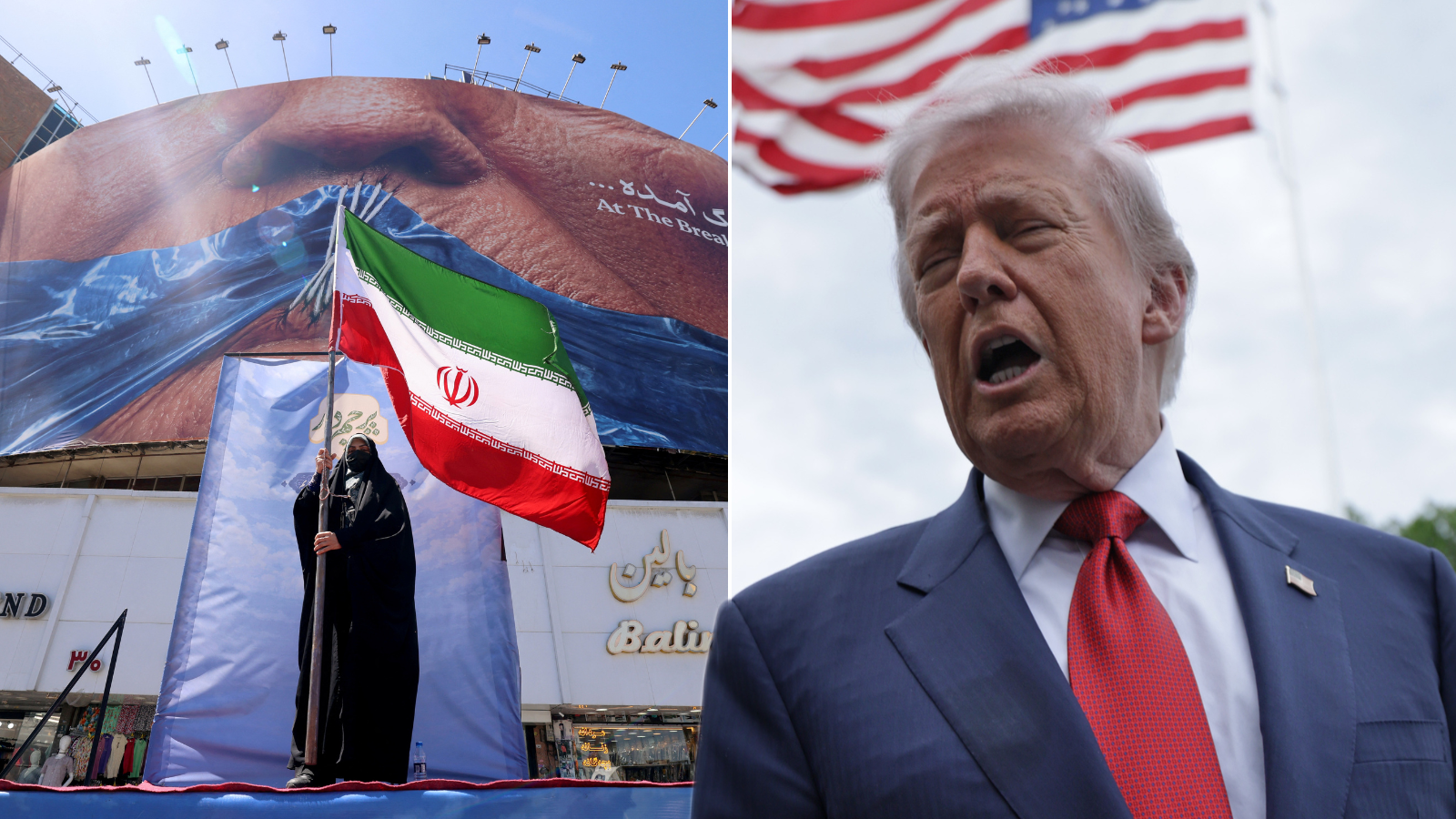
Hopes for an end to the war in Iran are now dangling by a thread after Tehran bitterly rejected Donald Trump's peace plan. A few days ago, the US sent across a 14-point proposal, meant to be a shorter-term agreement before finer details are worked out over 30 days, which is believed to have covered: Extending a ceasefire in the Gulf; Both sides finally reopening the Strait of Hormuz; Securing commitments to Iran curbing its nuclear programme and handing over its stockpile of uranium. But Iran last night dished out a counter-proposal which canned most of Washington's key demands. Sources told The Wall Street Journal that Iran had refused to dismantle its nuclear facilities, but would have stopped enriching uranium - though for a shorter time than the 20 years proposed by the US. TRENDING Stories Videos Your Say Iran 's proposal also includes a demand for compensation for war damages and an emphasis on Iranian sovereignty over the strait . Mr Trump then branded that "totally unacceptable". "I have just read the response from Iran's so-called 'representatives'. I don't like it - TOTALLY UNACCEPTABLE! Thank you for your attention to this matter," the President wrote on Sunday. That then sparked a bitter backlash from Tehran, which claimed the US proposal would have meant Iran "surrender" to Mr Trump's "excessive demands". A source told the country's Tasnim news agency: "No one in Iran drafts plans to please Trump," adding that his response "doesn't matter at all". By late on Sunday night, oil prices had already surged, with Brent crude jumping by $3 in Asia to a near-week-long high of $104.50 a barrel. Addressing whether combat operations against Iran were over, Mr Trump said in remarks aired on Sunday: "They are defeated, but that doesn't mean they're done." While Israeli PM Benjamin Netanyahu said the war was not over because there was "more work to be done" to remove enriched uranium from Iran, dismantle enrichment sites and address Iran's proxies and ballistic missile capabilities. The best way to remove the enriched uranium would be through diplomacy, Netanyahu said in an interview with CBS News - though left the door open to removing it by force. Iran's President Masoud Pezeshkian then blasted that Iran would "never bow down to the enemy" and would "defend national interests with strength". More to follow... Our Standards: The GB News Editorial Charter
Go to News Site