


 Forbes India
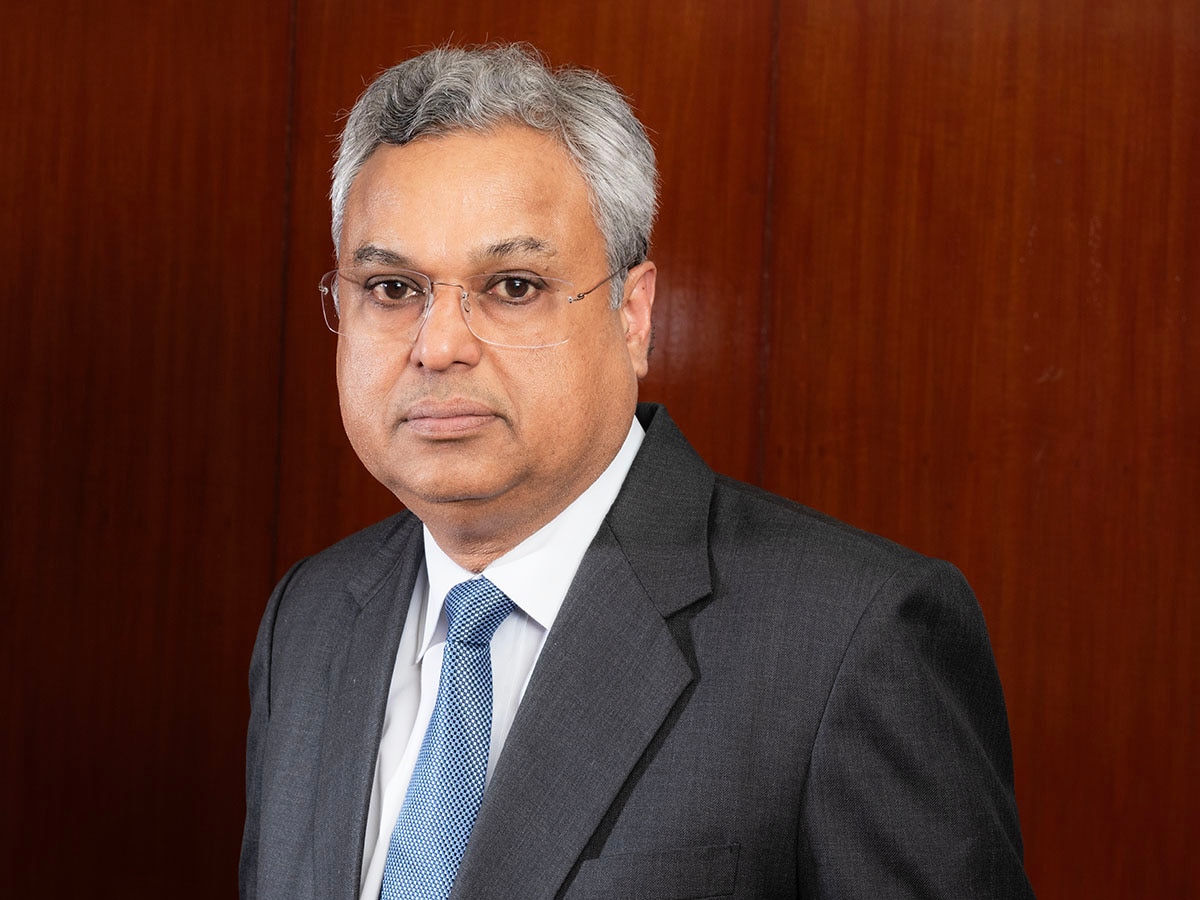
Addressing the CII Annual Business Summit 2026, Dr Saurabh Garg, secretary of the Ministry of Statistics and Programme Implementation (MOSPI), said the creative economy is no longer a peripheral player but a core driver of national prosperity. “Creative economy is one of the fastest growing parts of the economy,” he said, adding that one cannot say that the creative sectors are any less important than what has traditionally been considered as focus.Garg signalled a shift in how the government views “intangible” wealth. While manufacturing and agriculture have long been the pillars of Indian policy, he noted that services now exceed 50 percent of the economy, with the creative and digital sectors among the fastest-growing segments. To reflect this new reality, MOSPI is overhauling its statistical framework. “We need to measure what we treasure,” he said.Key structural changes include the new Index of Services Production which is designed to track the service sector with the same rigour as the Index of Industrial Production (IIP). Garg noted that the 2025 National Industrial Classification (NIC) explicitly captures the “creative economy”, including social media influencers and video gaming.This push for data-driven policy comes as India climbs the Global Innovation Index, climbing from its 81st rank in 2015 to 38 in 2025. Garg noted that intellectual property products account for over 10 percent of new capital formation, though he admitted the creative component, comprising literary, artistic, and entertainment works, remains “much lower”.A core challenge remains the scale of the informal sector. Garg said that of the nearly 8 crore informal enterprises in India, creative arts and entertainment is the fifth-largest segment. Yet annual value addition remains low, often averaging Rs 1 lakh per individual. The highest value addition is from those in the ayurvedic and unani medicines segment, at about Rs 2 lakh.He stated that the creative industries are perhaps the most inclusive, bridging the urban-rural and formal-informal divides. He argued that formalisation is the key to scaling these “bottom of the pyramid” talents into global brands. “That’s why it would require finance and strengthening of the legal regimes,” he added.Looking toward Viksit Bharat 2047, Garg linked the creative surge to ‘Brand India’, a government-wide effort to ensure Indian exports are synonymous with innovation and reliability. By strengthening legal regimes and providing better access to finance, the government aims to benchmark India’s cultural assets—from cuisine to cinema—against the best globally. “Culture and commerce are no longer separate,” he said. “They are very much intertwined.”
Go to News Site