


 Business Recorder
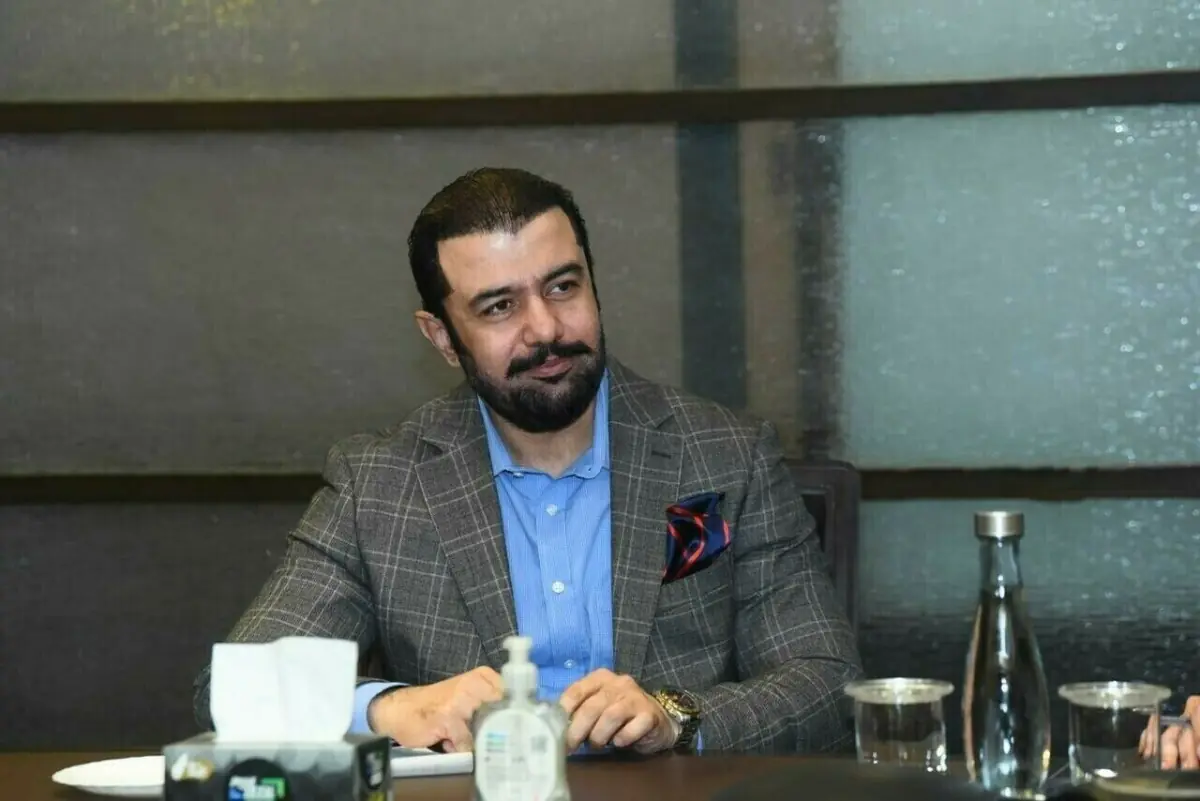
KARACHI: Advisor to the Finance Minister Khurram Schehzad on Tuesday reaffirmed the government’s commitment to boosting tax collection and ensuring that tax policy is grounded in the principles of equity, fairness, and inclusivity. In his address at an inaugural session of a two-day workshop on Pakistan’s evolving tax landscape: Challenges, Opportunities & Innovations, jointly organised by the PTBA Academy of Taxation and the Karachi Tax Bar Association (KTBA), Khurram stressed that under the social contract between the State and its citizens, public resources must be mobilised and deployed in a transparent, welfare-oriented manner. Khurram confirmed that the Tax Policy Office has been independently structured to strengthen transparency, sharpen policy design, and improve administrative efficiency, a reform he described as a significant institutional step forward. “While no system is perfect, the government remains committed to strengthening the economy through sustainable reforms, improved governance, and broader taxpayer facilitation,” he said, inviting participants to submit research, proposals, and practical recommendations directly to the Tax Policy Office. On the broader economic front, the Advisor painted a cautiously optimistic picture, noting that Pakistan’s GDP growth during the first half of the current fiscal year stood at approximately 3.8 percent. He stressed the importance of achieving durable, sustainable growth rather than repeating cycles of short-lived recovery followed by external stabilisation measures. He cited historically strong primary surpluses and significant fiscal consolidation as evidence of improved sovereign credibility, adding that strengthened fiscal and external indicators are reinforcing macroeconomic stability and investor confidence. He further said that Pakistan’s reform programme is receiving growing international recognition. The government’s broader reform agenda, he outlined, spans macroeconomic stabilisation, Digital Pakistan initiatives, energy sector reforms, tariff rationalisation, privatisation, pension and debt restructuring, and rightsizing of the public sector. On trade policy, he said the National Tariff Policy 2025–30 is designed to enhance industrial competitiveness, boost exports, and deepen Pakistan’s integration with regional and global markets. Abdul Qadir Memon, Chairman of the PTBA Academy of Taxation, highlighted structural and policy gaps in the country’s fiscal framework and reaffirmed that tax bars nationwide remain committed to advancing transparency, taxpayer facilitation, and confidence in the tax ecosystem. KTBA President Mehmood Bikiya welcomed the government’s reform direction as broadly aligned with global trends and economic imperatives. He said the workshop was designed to foster substantive dialogue on digitalisation, documentation, tax base broadening, and emerging compliance challenges, underscoring that sustained engagement among policymakers, tax authorities, and the business community is essential for reforms to take meaningful effect. The two-day event brought together corporate leaders, tax professionals, and senior members of the tax bar, reflecting broad cross-sector interest in shaping Pakistan’s fiscal future. Copyright Business Recorder, 2026
Go to News Site