


 Business Recorder
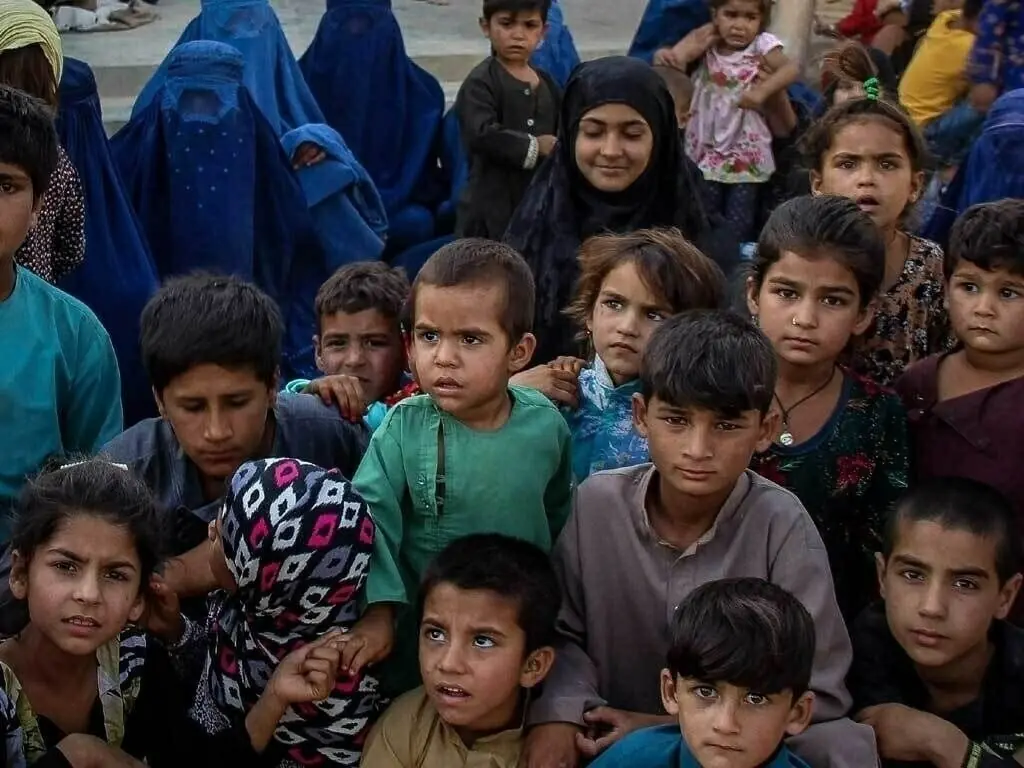
LAHORE: Pakistan is facing a deepening child nutrition crisis with more than 2.7 million children under the age of five projected to suffer from acute malnutrition before September 2026, according to an Integrated Food Security Phase Classification (IPC) analysis released this week. The assessment, covering 45 rural districts across Balochistan, Khyber Pakhtunkhwa and Sindh, warns that around 706,000 children are likely to face severe acute malnutrition during the period, while 232,000 pregnant and breastfeeding women will require urgent treatment for acute malnutrition. The IPC report said malnutrition levels have reached critical thresholds in nearly two-thirds of the surveyed districts, driven by persistent food insecurity, disease prevalence, and gaps in infant and young child feeding practices. It added that repeated climate shocks, including the 2025 floods that killed more than 1,000 people and caused widespread destruction of homes and livelihoods have further worsened the situation. In response to worsening nutrition indicators, provincial governments are increasingly turning to school-based feeding interventions as a key policy tool. In Punjab, the school meal programme has been expanded to cover 1.1 million primary school students across 13 districts of South Punjab under Phase II, launched earlier this year. The programme was initiated in 2024 and later scaled up in districts identified on the basis of high malnutrition and school dropout rates. Under the initiative, enrolled students are provided daily with 200ml of fortified UHT milk enriched with Vitamins A and D, along with iron-fortified biscuits. The programme currently operates in Dera Ghazi Khan, Rajanpur, Muzaffargarh, Layyah, Bhakkar, Mianwali, Jhang, Chiniot, Khushab, Lodhran, Vehari, Khanewal and Kot Addu. Officials say the intervention is aimed at improving child nutrition outcomes while also supporting school attendance in underserved rural districts where poverty and food insecurity remain persistent barriers to education. Health experts warn that poor early childhood nutrition has long-term consequences, including stunting, impaired cognitive development and reduced learning capacity. Data from UNICEF and Pakistan’s National Nutrition Survey 2018 indicate that around 40 percent of children under five in Pakistan suffer from stunted growth, while nearly 20 percent experience wasting. Globally, school feeding programmes are increasingly being viewed as integrated development tools rather than standalone welfare measures. China’s school milk programme, launched in 2000, is often cited as a major example, reaching over 14 million children and contributing not only to improved child nutrition and school participation but also to the expansion of the dairy sector and increases in farmer incomes. Development experts say such models highlight the importance of linking school nutrition initiatives with local supply chains, food systems, and logistics infrastructure to maximise both social and economic impact. The IPC report further noted that food insecurity in Pakistan is being exacerbated by climate-related disasters and limited access to basic health and nutrition services in rural areas. Humanitarian organisations, including Save the Children, have expanded emergency response operations in flood-affected districts, providing food assistance, nutrition support, hygiene kits, and child protection services to affected populations. Experts caution that while school feeding programmes are gaining momentum, sustained impact will depend on long-term financing, efficient delivery systems, and integration with broader health and education policies. Copyright Business Recorder, 2026
Go to News Site