


 Business Recorder
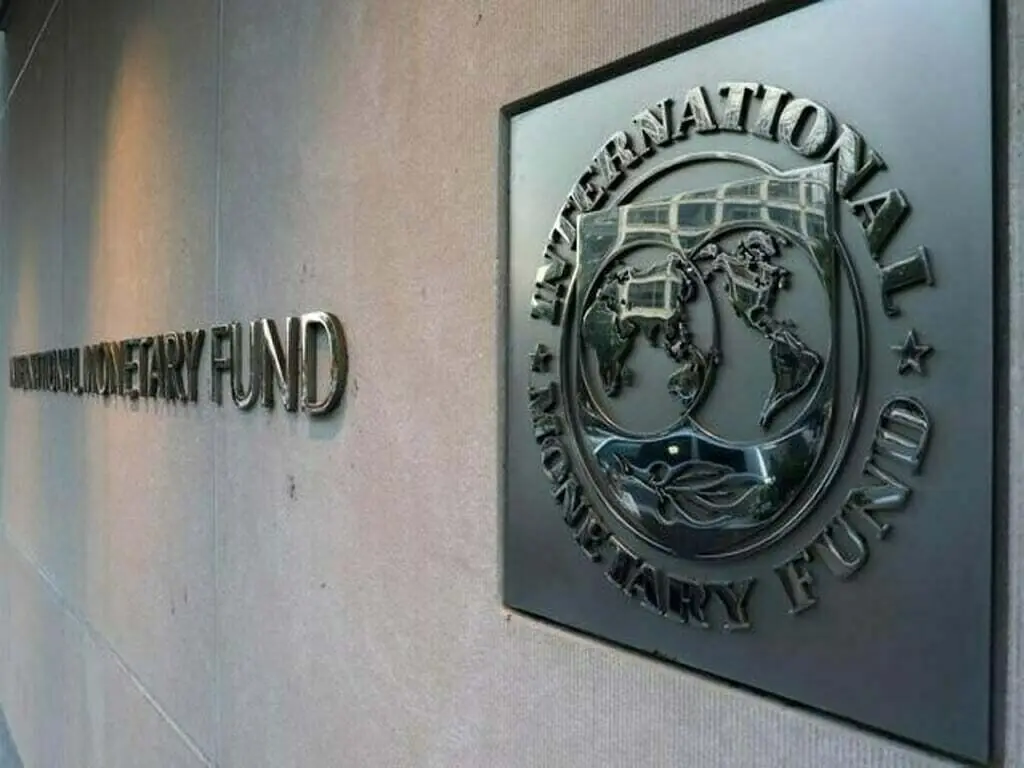
ISLAMABAD: The International Monetary Fund (IMF) said that strong policy implementation has continued to support Pakistan’s economic recovery, build confidence and bolster its resilience to shocks. The Fund in its latest report noted that GDP growth accelerated in FY26H1, while inflation remained contained, the current account was broadly balanced, and reserve rebuilding exceeded earlier projections. However, the impact of the war in the Middle East clouds Pakistan’s near-term outlook and there is great uncertainty about how developments will unfold. Under the baseline scenario, the war is expected to put upward pressure on inflation and weigh on growth and the balance of payments, but the overall impact is expected to be contained. However, downside risks are high. READ MORE: Aurangzeb briefs IMF mission on fiscal strategy The 37-month Extended Arrangement under the Extended Fund Facility (EFF), approved on September 25, 2024, is on track, underpinned by strong performance. All seven QPCs and six of eight ITs were met at end-December. Most continuous and other SBs were met. It further noted that amidst a very uncertain international environment and against domestic concerns about the still elevated poverty rate and subdued growth, strong policy and steadfast reform efforts remain paramount to safeguarding economic stability and supporting sustained higher growth. The authorities remain committed to program policies and objectives, including: (i) the gradual fiscal consolidation plan and accelerating efforts to broaden the tax base to generate resources needed for higher social and development spending, alongside reforms to improve spending efficiency and public financial management; (ii) an appropriately tight monetary policy to ensure inflation expectations remain anchored in the face of volatile commodity prices; (iii) maintaining a flexible exchange rate as the key shock absorber to support the rebuilding of reserves; (iv) keeping fuel and energy tariffs in line with cost recovery to avoid unaffordable subsidies and fiscal costs, while protecting vulnerable consumers with targeted support and continuing to implement reforms to address the high costs of energy; and (v) advancing and deepening structural reforms to sustainably boost long-term growth, including delivering on the Economic Governance Reform actions and strengthening anti-corruption institutions, advancing SOE reforms and the privatization agenda, and eliminating distortions and unnecessary regulations. Policies adopted under the RSF arrangement will reduce economic vulnerabilities from climate shocks, improve the climate information architecture, and help facilitate climate-focused investment. Copyright Business Recorder, 2026
Go to News Site